
By Sheila Smith | Originally published in the Newark Post 10/28/21
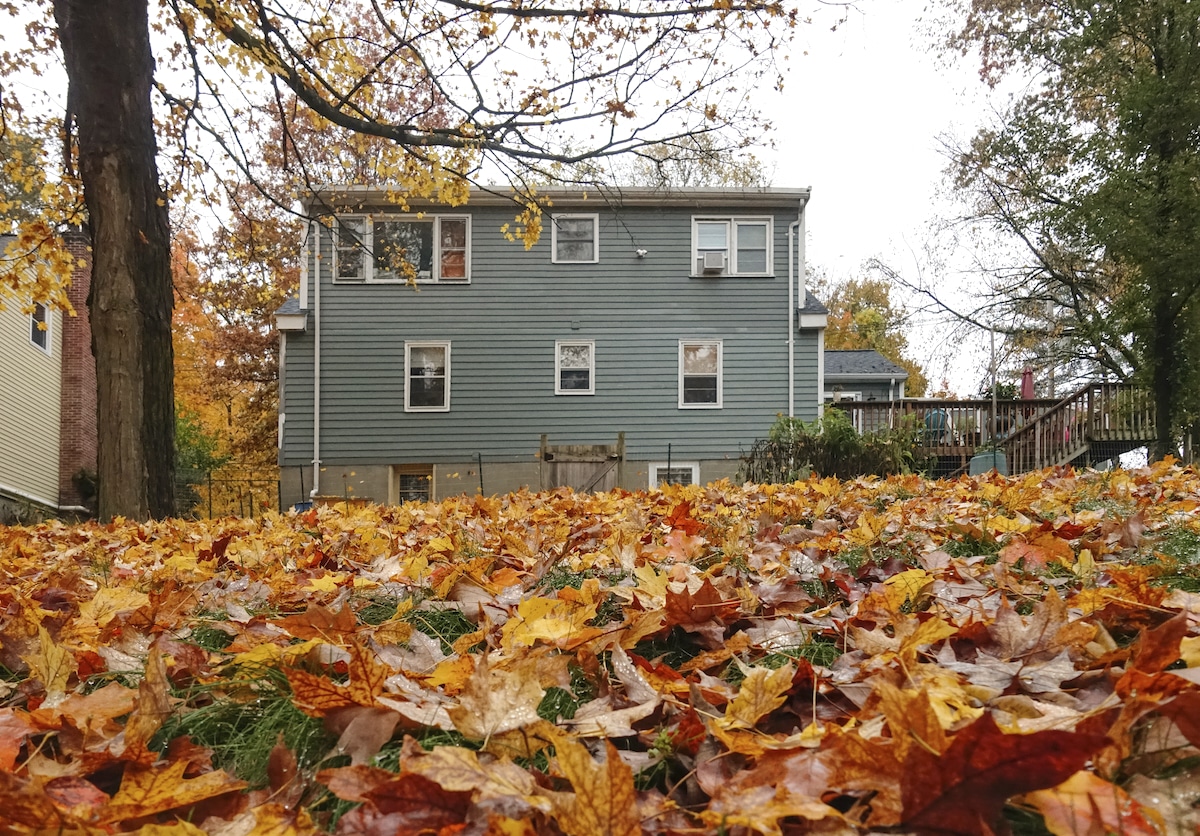
Halfway through the fall season many of us are planning our landscape cleanup, clearing away sticks, stems, and leaves, leaving a clean slate for the spring. If you are like a lot of Delaware residents, you may be considering a more environmentally friendly clean up, one that recycles, conserves what’s left of summer and supports wildlife. The first thing to embrace is to be a little less tidy. While we may be done with the spent plant material in our landscapes, the leaves, stems, and seed heads have a lot to offer in terms of food and shelter to overwintering creatures.
💡 Delaware Field Note: Want to learn how winter microhabitats function in your own yard? Read Under the Surface: Learning From the Winter Landscape to see how leaf litter insulates the soil, protects dormant insects, and supports local wildlife.
Leave Some Leaves
Anyone who has ever walked in the woods knows that the forest floor is covered with layers of leaves from many years past and that the soil underneath is nutrient rich and loamy, ideal for plant growth. There are multiple benefits for your yard and for wildlife if you find space for leaves in your landscape. Trees, shrubs and even flower beds can benefit from the energy that leaves provide. Adding this organic material to your beds acts as a mulch and improves water retention. The nutrients, broken down by microorganisms, improves soil fertility. Additionally, a bed of leaf mulch around your trees reduces lawn area, makes mowing around trees easier and importantly creates a zone that protects tree roots and bark from mower and weed whacker injury.
Vital Habitat for Pollinators and Wildlife
Fallen leaves play a vital role in a healthy ecosystem and not just for plants. The winter life of many familiar summer pollinators such as butterflies and bees are tied to the leaves and the soil beneath them. Mourning cloak and anglewing butterflies overwinter as adults, often in leaf litter. Except for the queen, bumble bees die at the end of the year. The queen burrows into the soil to await warmer days as do the caterpillars of some moth species. A layer of leaves insulates the ground protecting them from temperature fluctuation. Several members of the large silk moth family make cocoons attached to leaves that often fall to the ground. From there they can, if undisturbed, emerge in spring. A bed of leaves under trees provides a soft and safe landing for these species.
Credit: Everyday Naturalist 2026
Natural Food Sources and Pest Control for Birds
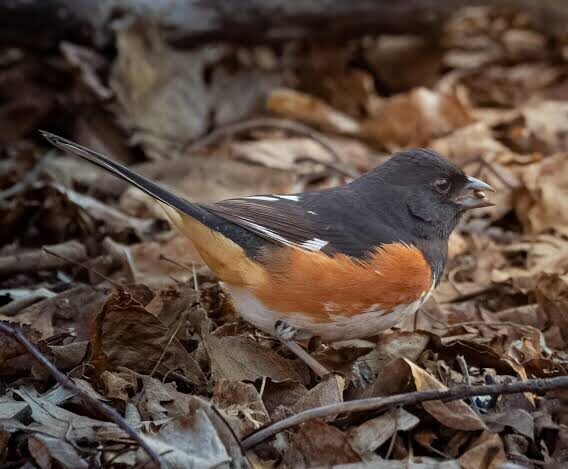
This improved habitat for insects creates an important hunting ground for wintering birds. Eastern towhee, white- throated sparrows and the hermit thrush won’t be at your seed feeders but are busy on the ground, scratching in search of caterpillars, spiders, and beetles, along with berries and seeds that have fallen. Once established as residents, birds will operate as a natural pest control, feeding their young hundreds of caterpillars in the spring.
Get Reacquainted With Your Rake
Moving leaves with a rake rather than with a blower will leave more organic material in place. Blowing away every bit of plant material, leaves soil bare less fertile, and more susceptible to erosion. A cover of organic material is a critical habitat for firefly larvae as they need moisture and a safe place to forage. Blowers pose threats to other small creatures and contribute to air pollution and noise pollution. Raking is good exercise but wear gloves to avoid blisters. If you have a large lawn, mowing over fallen leaves helps to break them down, provides a natural fertilizer and reduces the need for raking.
Leave Stems Standing
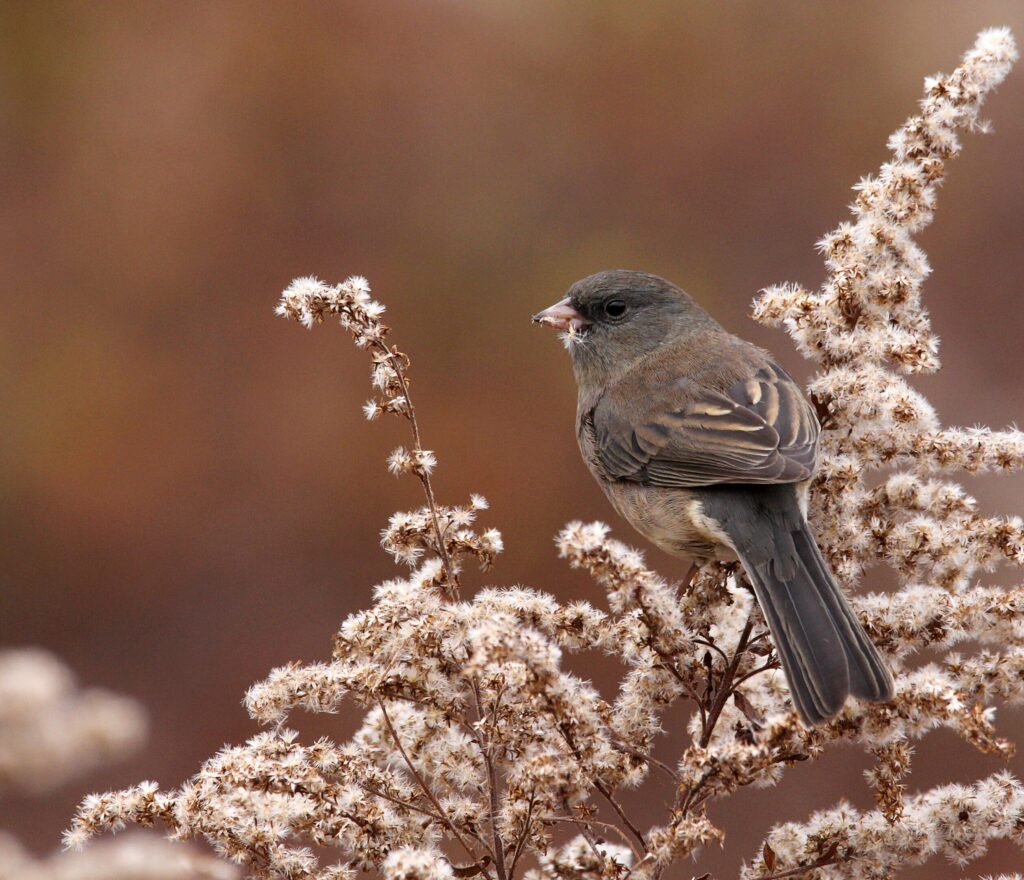
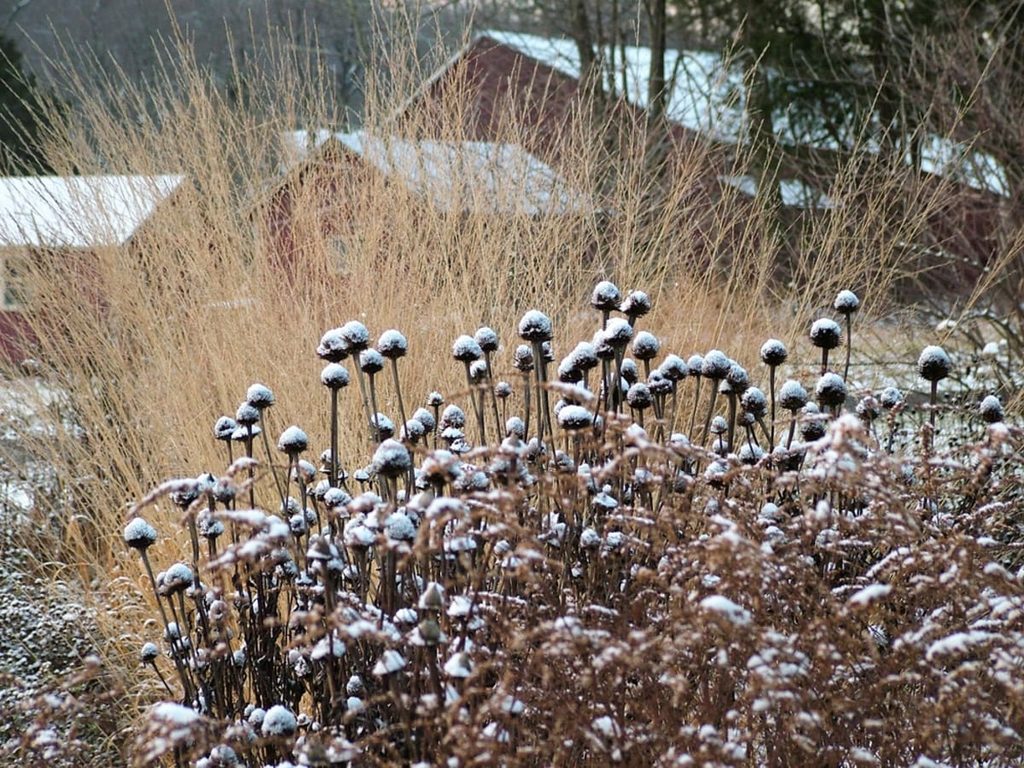
Many of our favorite summer perennials, cone flowers, black-eyed Susans and asters are an important source of winter food for wildlife. Rather than cutting flower stems to the ground let them stand. The seed heads are eaten by goldfinches and juncos. The standing stems also provide cover. The hollow stems of joe-pye weed or goldenrod are the winter homes of small solitary bees. Native grasses with long lasting fall color, little blue stem or pink muley grass, planted among perennials can mute the dark browns and grays of the flower stems through the winter and make the view more pleasing.
Embracing Year-Round Landscape Enjoyment
Knowing the ecological benefits of preserving what is left after summer’s vibrant colors are gone can reduce our impact on the natural environment and enhance our enjoyment of our landscapes year round.
Want to discover more ways to support Delaware’s local ecosystems? Subscribe to the Delaware Naturally Newsletter to get seasonal conservation stories, events, and practical ways to protect native biodiversity year-round.
LEARN MORE RESOURCES
- USDA Forest Service: Leaf Litter Decomposition – Research on how organic leaf layers fuel microbial decomposition and subterranean nutrient cycling.
- Frontiers for Young Minds: Soil Organisms & Leaves – Accessible breakdown of microarthropods breaking down leaf tissue into rich, loamy soil.
- Smithsonian Institution: Winter Insect Survival – Science behind insect diapause and the thermal microclimates created by leaf litter.
- Clemson University Extension: Firefly Habitats – Explores the 95% subterranean life cycle of firefly larvae and their leaf-litter moisture needs.
- U.S. Fish & Wildlife Service: Leaf Litter Biodiversity – Overview of macroinvertebrate communities that ground-foraging birds hunt in winter.
- University of Minnesota Bee Lab: Stem Nesting Habitats – Best practices for managing standing perennial stems to protect solitary nesting bees.
- Delaware Naturally: What Really Happens in Autumn – A look at seasonal transitions and native biodiversity in Delaware.

About the Author: Sheila Smith is a Certified Delaware Master Naturalist, and a former science educator. She serves on the Delaware Native Species Commission and the City of Newark Conservation Advisory Commission, and is a regular contributor to their column in the Newark Post.


0 Comments