
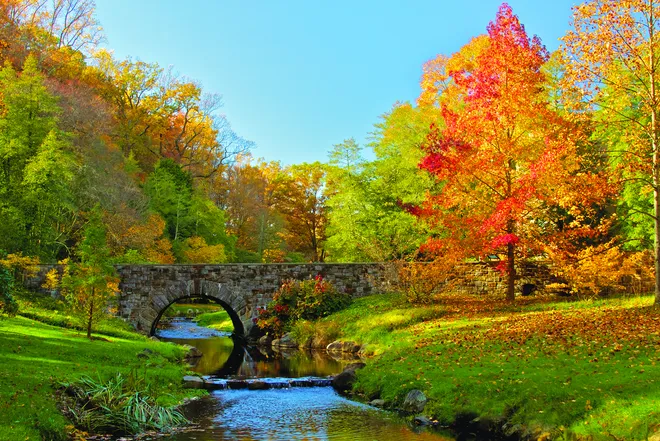
Beyond the canopy, and autumn’s vibrant hues, Delaware’s ecosystems are busy executing critical seasonal processes as nature transitions toward winter. From chemical nutrient recycling to fueling migratory wildlife, and sheltering overwintering native insects, learn about what what really happens in Autumn. Read the Blog Post Here.
Beyond the Canopy’s Golden Glow
If you take a stroll through a Delaware woods or garden in October, your eyes are naturally drawn upward. The canopy puts on a striking display as green leaves shift to fiery gold and deep crimson. To the casual observer, autumn looks like a quiet winding down of the natural world—a peaceful period where plants drop their foliage and prepare to sleep through the winter.
Look a little closer, however, and you will find that autumn is far from a simple shutdown. Beneath the golden canopy, our native ecosystems undergo a series of coordinated biological handoffs, chemical reabsorptions, and structural transformations that help sustain local food webs straight through to spring.
Across Delaware, from the hardwood forests of the Piedmont to the wooded wetlands of the Coastal Plain, these seasonal transitions play a vital role in sustaining native biodiversity. Understanding these hidden seasonal mechanics changes how we see our yards, our parks, and our role as ecological stewards.
The Hourglass of Darkness: Photoperiodism
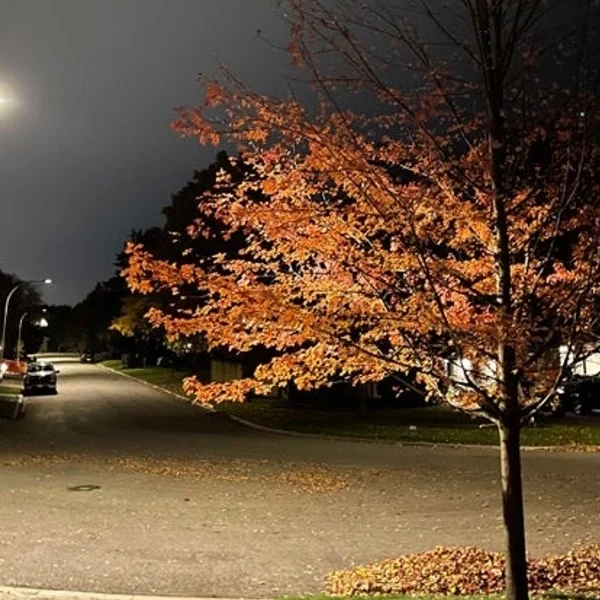
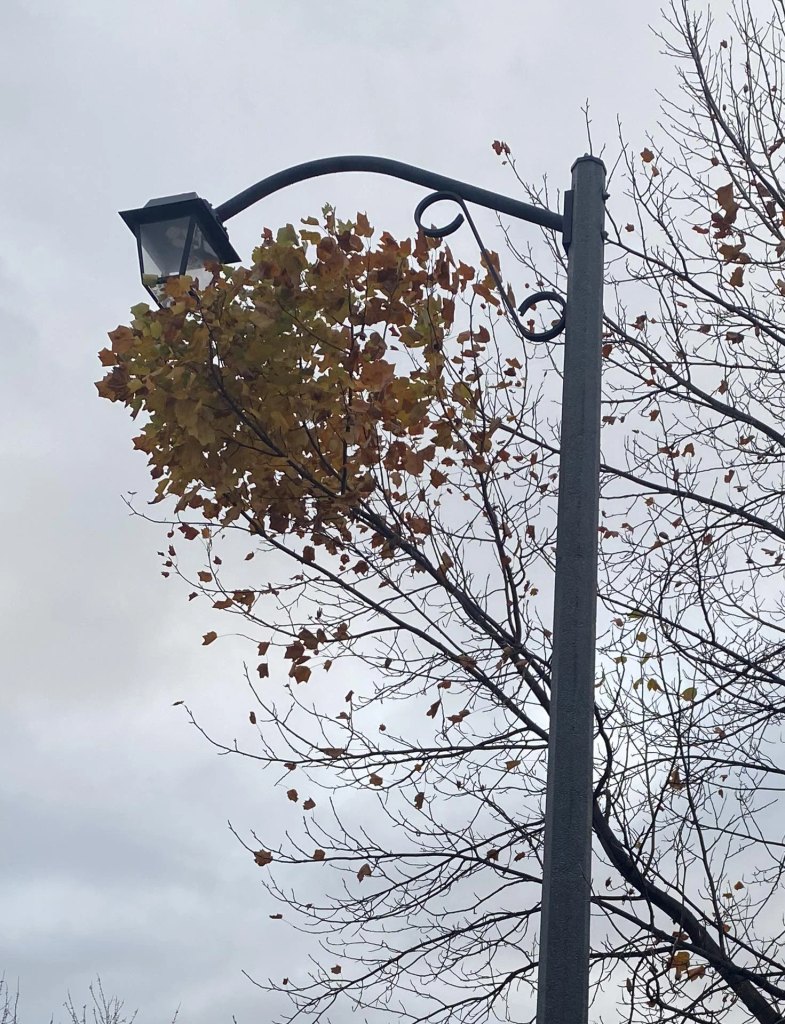
While crisp autumn air helps bring out vibrant leaf colors, temperature is not the only signal for seasonal change. For many temperate plants, one of the most reliable cues is light—specifically, the changing length of daylight and darkness. Scientists call the biological response to these changes photoperiodism.
Photoperiodism refers to an organism’s ability to respond to changing day and night lengths. Native plants rely on light-sensing proteins (phytochromes) that function alongside an internal circadian clock. As autumn nights lengthen, these molecular signals, working together with temperature and other environmental cues, prompt many plants to slow active growth, reclaim vital nutrients, and prepare for winter dormancy.
As plants respond to these changing environmental signals, another remarkable process begins within their leaves.
Chemical Recycling: Senescence and Leaf Pigments
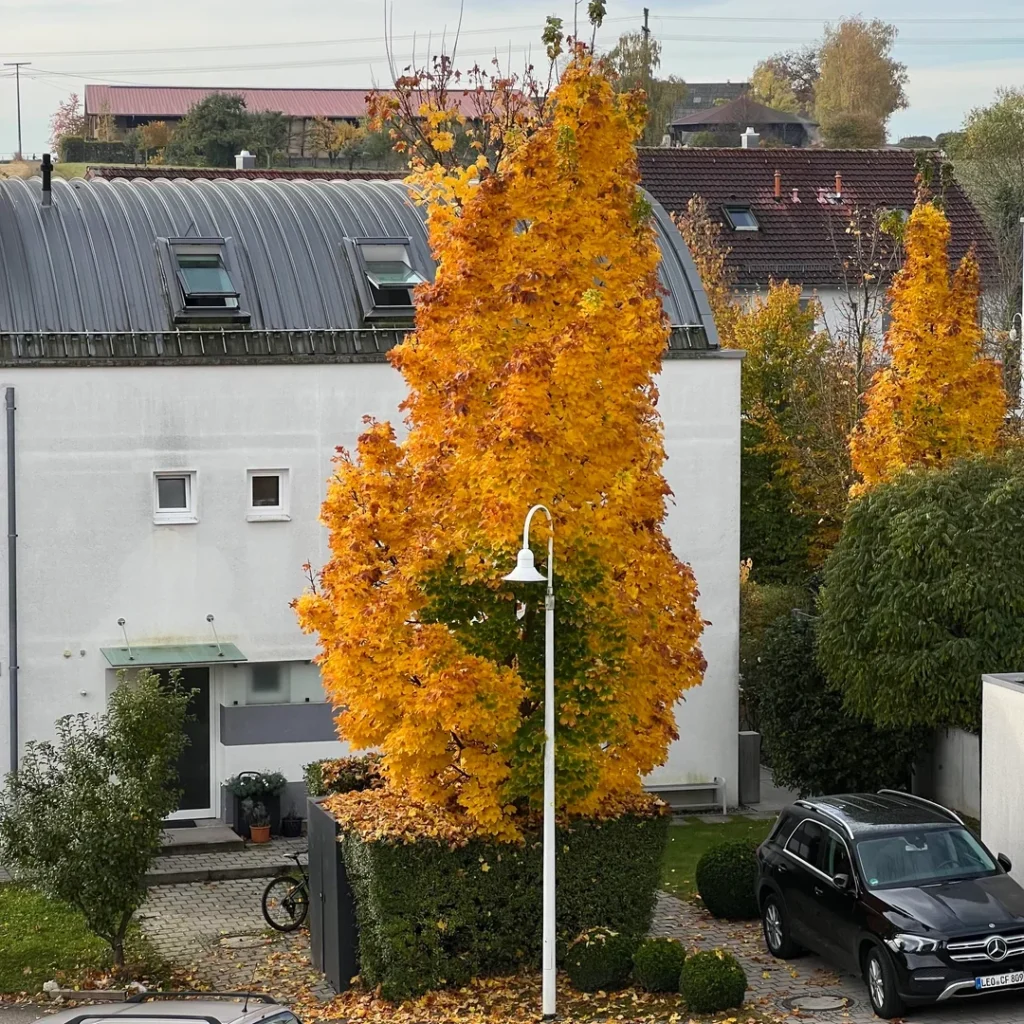
What appears to be a simple leaf color change is actually an active nutrient recovery process called senescence. During senescence, plants break down leaf compounds to reclaim essential elements like nitrogen and phosphorus, storing them in roots and woody stems for spring growth.
Throughout spring and summer, leaves are filled with green chlorophyll, the primary pigment used to capture sunlight. As chlorophyll production ceases and existing chlorophyll breaks down in autumn, yellow and orange pigments known as carotenoids are revealed. These pigments were present all summer but were masked by green chlorophyll. Carotenoids produce the golden hues seen in Tuliptrees (Liriodendron tulipifera) and Hickories (Carya).
At the same time, warm sunny days and cool nights can promote sugar accumulation in leaves of species like the Red Maple (Acer rubrum), contributing to the production of red pigments called anthocyanins. Scientists believe anthocyanins may act like temporary sunscreen, protecting delicate leaf cells from excess sunlight while the tree completes nutrient reabsorption.
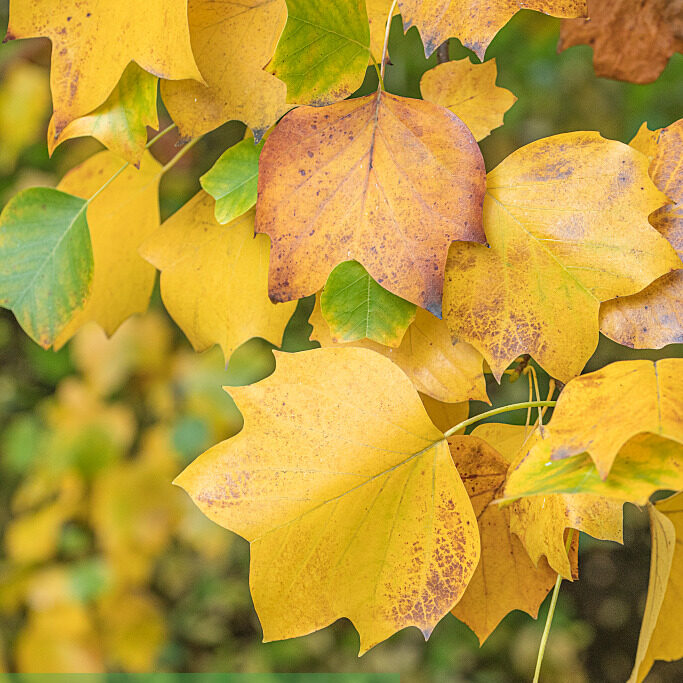

Not every deciduous tree drops its leaves in autumn. Young American Beeches (Fagus grandifolia) and Pin Oaks (Quercus palustris) commonly exhibit marcescence, the retention of dead, withered leaves through winter. Ecologists hypothesize this strategy may help deter browsing herbivores like deer, protect delicate buds from frost, or influence how snow and moisture reach the ground. The precise evolutionary advantages remain an area of scientific investigation.
While trees are reclaiming nutrients and preparing for dormancy, wildlife is responding to many of the same seasonal changes in different ways. For some species, autumn means leaving Delaware via migration. For others, it means gathering the food and shelter needed to survive the winter.
Wildlife Energetics: Migrations and Food Webs
As plants adjust to shifting daylight, native wildlife carries out its own seasonal strategies.
Fueling Avian Migrants: Billions of songbirds traverse North America each fall, flying primarily at night. During daytime stopovers, migrating birds depend on lipid-rich native fruits—such as those produced by Spicebush (Lindera benzoin) and Arrowwood Viburnum (Viburnum dentatum)—to replenish critical fat reserves. As birds consume these fruits and disperse their seeds through their digestive tracts (a process called Endozoochory), they also help native plants spread across the landscape.
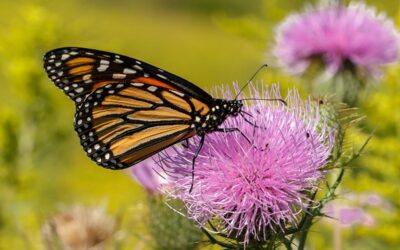
Monarch Migration Fuel: Late-season Monarch butterflies (Danaus plexippus) delay reproduction to form a specialized migratory generation. In the eastern North American population, these adults rely on nectar-rich, late-blooming perennials like Goldenrods (Solidago) and Asters (Symphyotrichum) to build energy reserves for their long flight to wintering grounds in Mexico. Learn more about monarch migration here.
Mast Production and Seed Caching: Oaks (Quercus) and Hickories (Carya) periodically produce abundant crops of acorns and nuts, sometimes in synchronized events known as mast years. Animals like Blue Jays scatter-hoard these nuts in forest soils, inadvertently planting future canopy trees when some of their hidden food stores go uneaten.
These relationships demonstrate that autumn is not simply a period of decline. It is also a season of movement, food storage, and regeneration. Even as migrating wildlife moves through Delaware and trees shed their leaves, the plants left standing continue to serve important ecological functions.
Standing Strong: Tough Stems and Overwintering Habitats
Throughout the growing season, many perennial plants strengthen their stems through lignification. Lignification is the process in which plants deposit a tough, rigid organic polymer called lignin into their cell walls. By autumn, these strengthened stems can remain standing even after their leaves and flowers have faded, providing durable structures capable of withstanding winter weather.
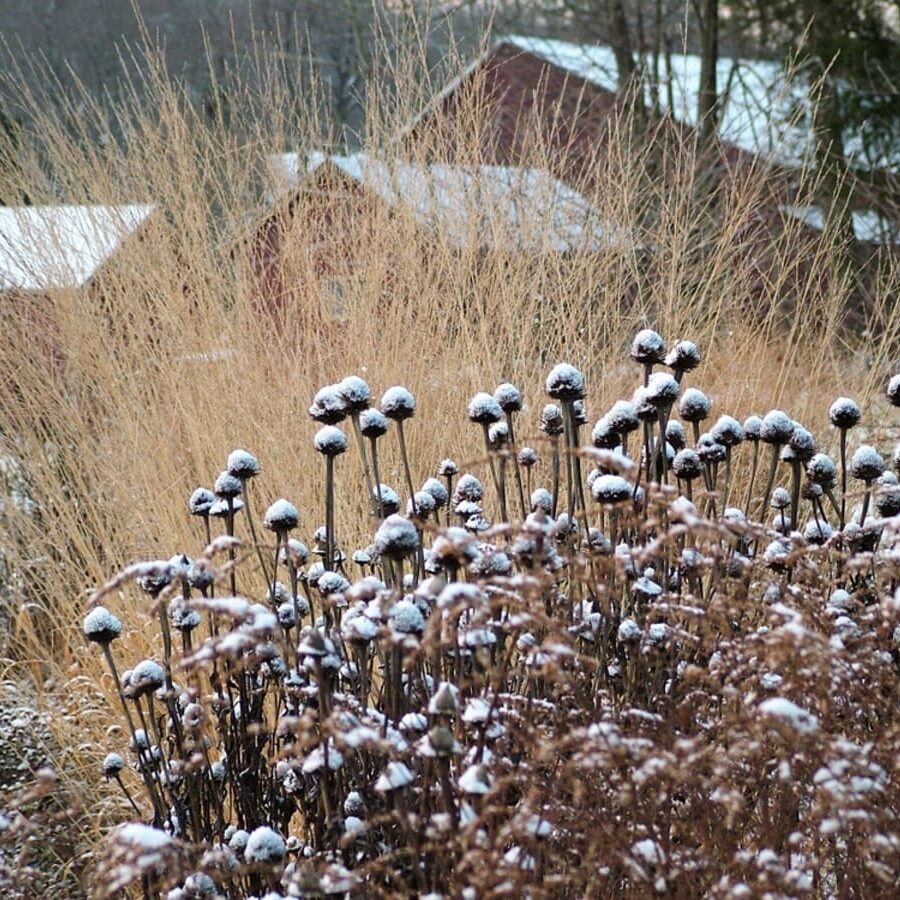
These persistent stalks and surrounding plant materials perform essential ecological functions:
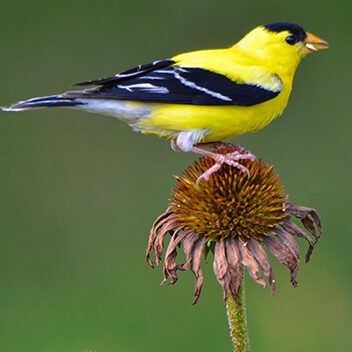
Winter Food Sources: Persistent seed heads on species like Coneflowers (Echinacea) remain elevated above snow cover, offering valuable seeds to winter birds like American Goldfinches and Dark-eyed Juncos.
Insect Shelters: Hollow and pithy stems provide important nesting and overwintering habitat for certain solitary native bees and other beneficial insects. Some bees develop within these protected cavities, entering diapause, a state of suspended development that allows them to survive unfavorable seasonal conditions.
Insulating Ground Layers: Fallen leaves form a protective blanket across the soil, helping stabilize temperatures and retain moisture. Standing stems and grasses also help trap drifting snow, creating an additional layer of insulation that reduces exposure to extreme cold. Together, these natural coverings provide more stable conditions for overwintering insects and amphibians that spend the colder months beneath leaf litter, in soil, or in other protected habitats.
Together, these standing stems, fallen leaves, and sheltered spaces form a network of winter habitats. What might appear to be an untidy garden or woodland floor is actually supporting wildlife through one of the most challenging periods of the year.
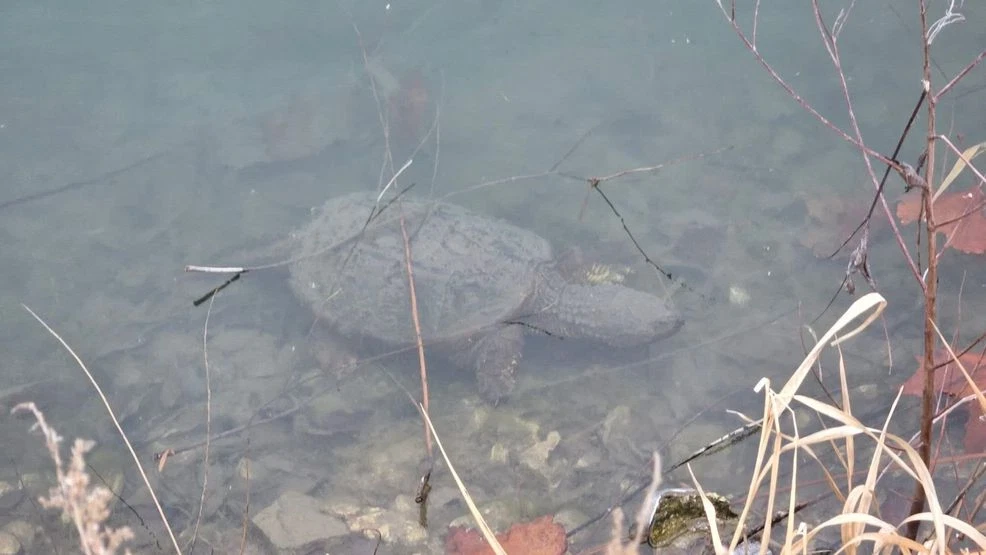
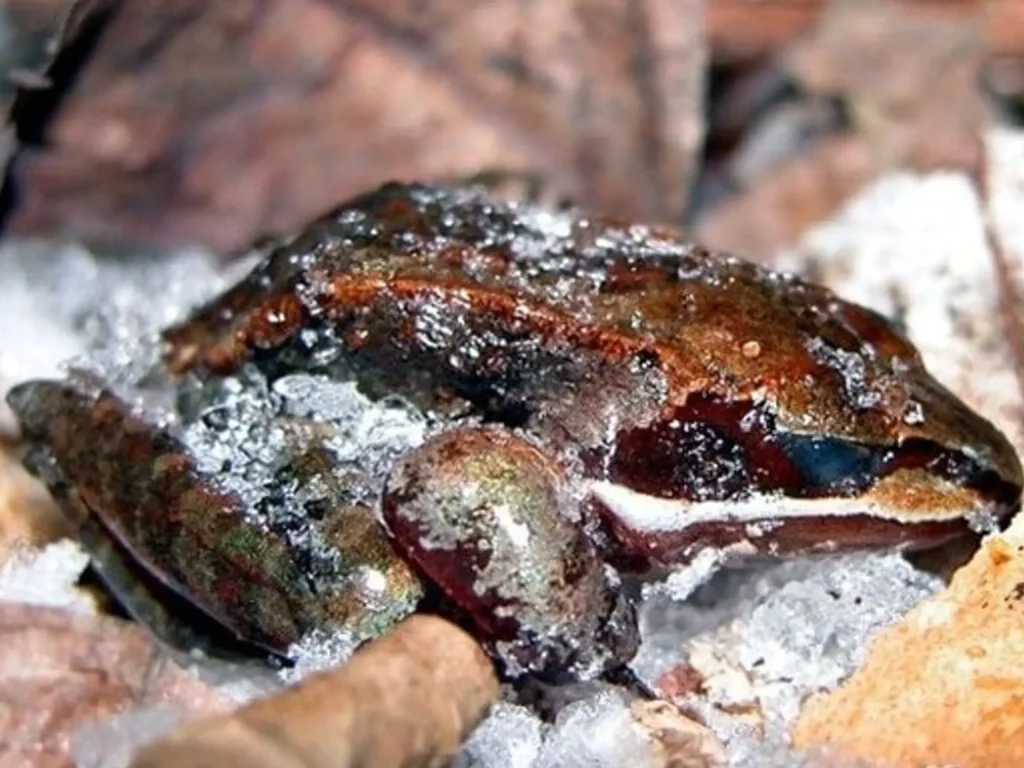
Some amphibians and reptiles enter a winter state called brumation, during which their activity and metabolism slow significantly to conserve energy. Wood Frogs take this a step further, surviving winter with much of their body water frozen while natural sugars protect their cells from damage.
Take Action: Stewardship Beyond the Fall Clean-Up
Understanding the biological machinery of autumn shows us that aggressive yard cleanups can inadvertently dismantle active overwintering habitats. You can support seasonal ecosystem health through simple, intentional actions:
Leave the Leaves: Maintain fallen leaves in garden beds and under tree canopies to insulate soil, preserve moisture, and shelter overwintering insects like queen bumble bees. Whenever possible, allow leaves to decompose naturally and return valuable nutrients to the soil.
Retain Standing Stems: Leave native flower stems standing through winter. In spring, selectively cut older stems to varying heights of approximately 8–24 inches, creating new nesting opportunities for cavity-nesting native bees. Leave existing stems and cut material undisturbed where practical so insects already developing inside can complete their life cycles.
Minimize Dark-Sky Disruption: Shield or turn off unnecessary outdoor lighting near trees and garden beds to reduce interference with natural photoperiod cues and nighttime wildlife activity.
Plant Keystone Native Species: Incorporate late-blooming perennials, fruit-bearing shrubs, and keystone woody plants like Oaks (Quercus) to supply vital food and shelter during seasonal transitions. Delaware homeowners can explore additional planting and conservation opportunities through Delaware Naturally and our partners.
By aligning our landscape practices with natural autumn processes, our residential spaces can function as safe, connected havens for local biodiversity through winter and beyond.
Learn More & Autumn Ecology Research Resources
Explore the scientific research, ecological terminology, seasonal wildlife adaptations, and conservation resources used to compile this post:
- Photoperiodism: Wikipedia – Photoperiodism
- Artificial Nighttime Lighting & Seasonal Dormancy: PNAS Nexus – Artificial Light at Night: An Underappreciated Effect on Phenology of Deciduous Woody Plants (PMC9802268)
- Leaf Pigments, Chlorophyll & Carotenoids: Foods – Anthocyanins, Carotenoids and Chlorophylls in Edible Plant Leaves Unveiled by Tandem Mass Spectrometry
- Senescence & Anthocyanins: Plants – Early Autumn Senescence in Red Maple Is Associated with High Leaf Anthocyanin Content (PMC4844408)
- Marcescence & Winter Leaf Retention: University of Illinois Extension – The Stubborn Beauty of Oak Leaves: Marcescence Explained
- Endozoochory &Animal Seed Dispersal: Encyclopaedia Britannica – Endozoochory
- Monarch Migration: Delaware Naturally – Beyond Milkweed: Fueling Delaware’s Migrating Monarchs
- Mast Years, Acorn Production & Forest Regeneration: The Nature Conservancy – The Mystery of the Mast Year
- Lignification:: International Journal of Molecular Sciences – Lignins: Biosynthesis and Biological Functions in Plants
- Diapause: Encyclopaedia Britannica – Diapause
- Brumation: Carnegie Museum of Natural History – Overwintering for Amphibians and Reptiles
0 Comments