
Protecting Delaware’s lands and waterways requires a collective effort, and it is inspiring to see the diverse approaches organizations and residents take across the state to advance conservation. Collaborative gatherings offer an invaluable opportunity to learn alongside fellow professionals, keep a nose out for fresh perspectives, share field-tested strategies, and celebrate the essential work happening in our region.
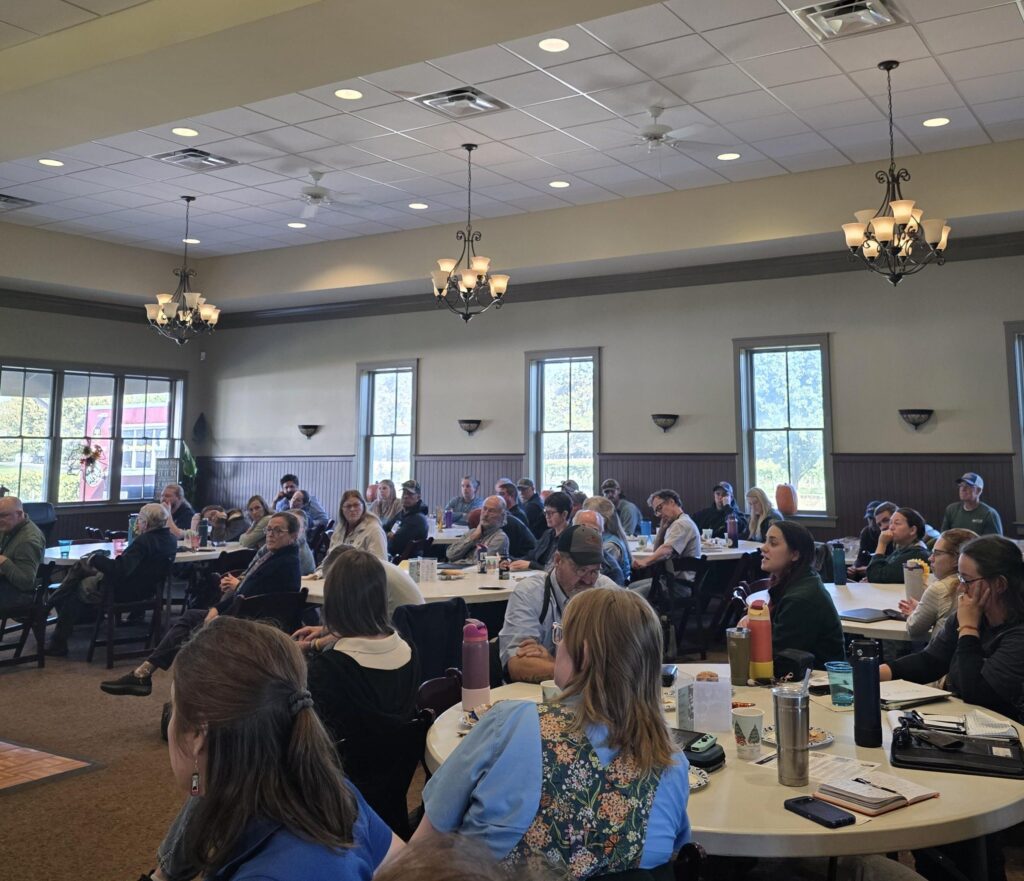
Tuesday, October 20th, members of the Delaware conservation community gathered for the 2026 Delaware Invasive Species Council (DISC) Annual Meeting, at Harvest Ridge Winery in Marydel. A multi-session day of collaboration and education, to discuss research, regional updates, best practices, and strategies for managing invasive species in and around the state.
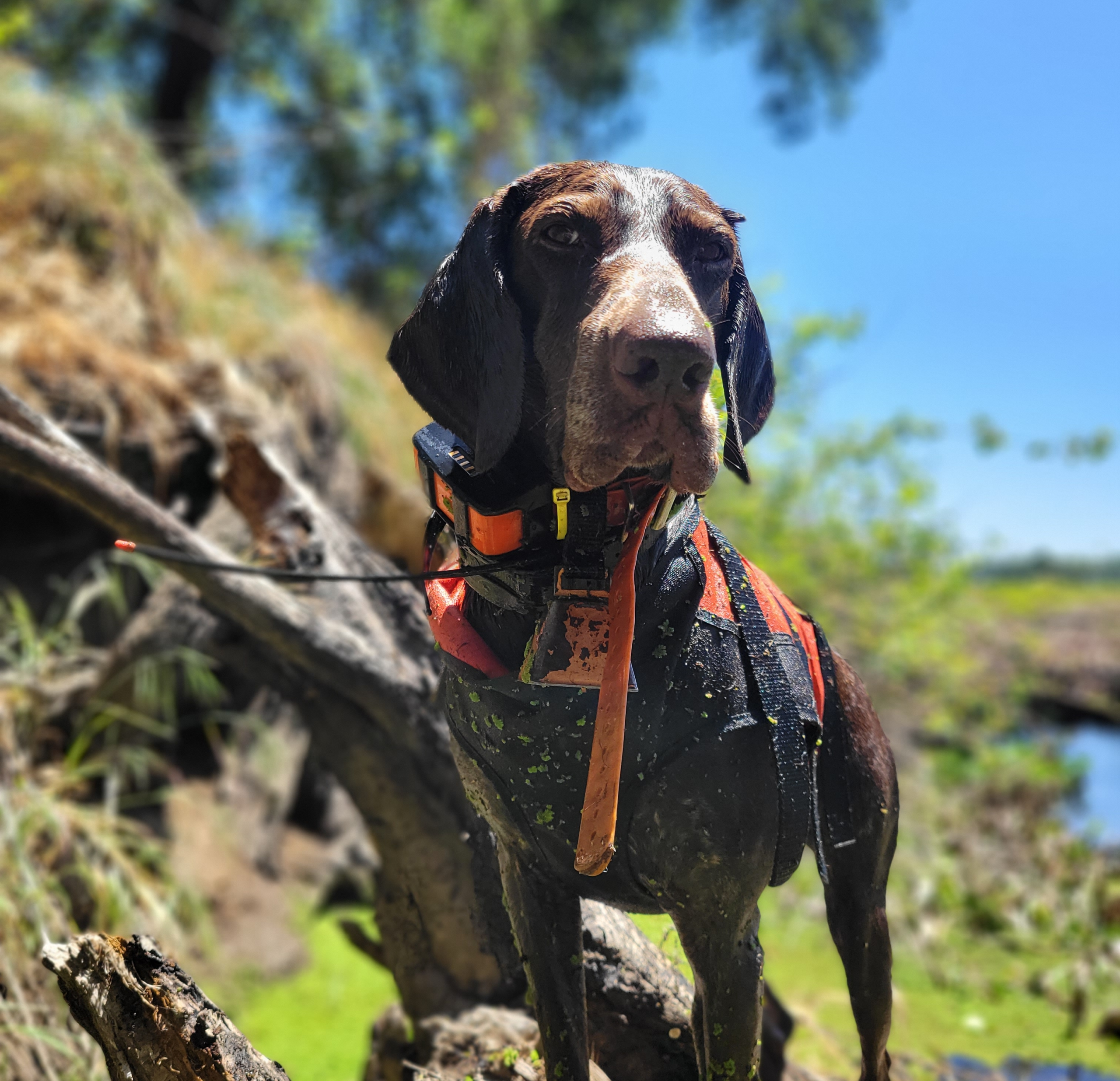
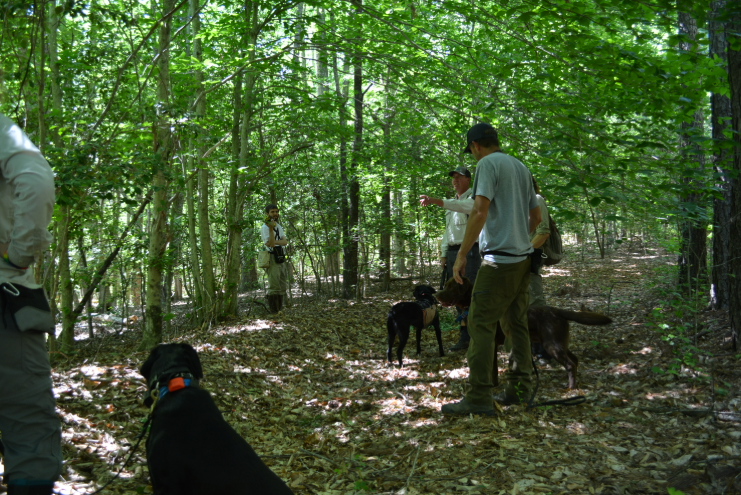
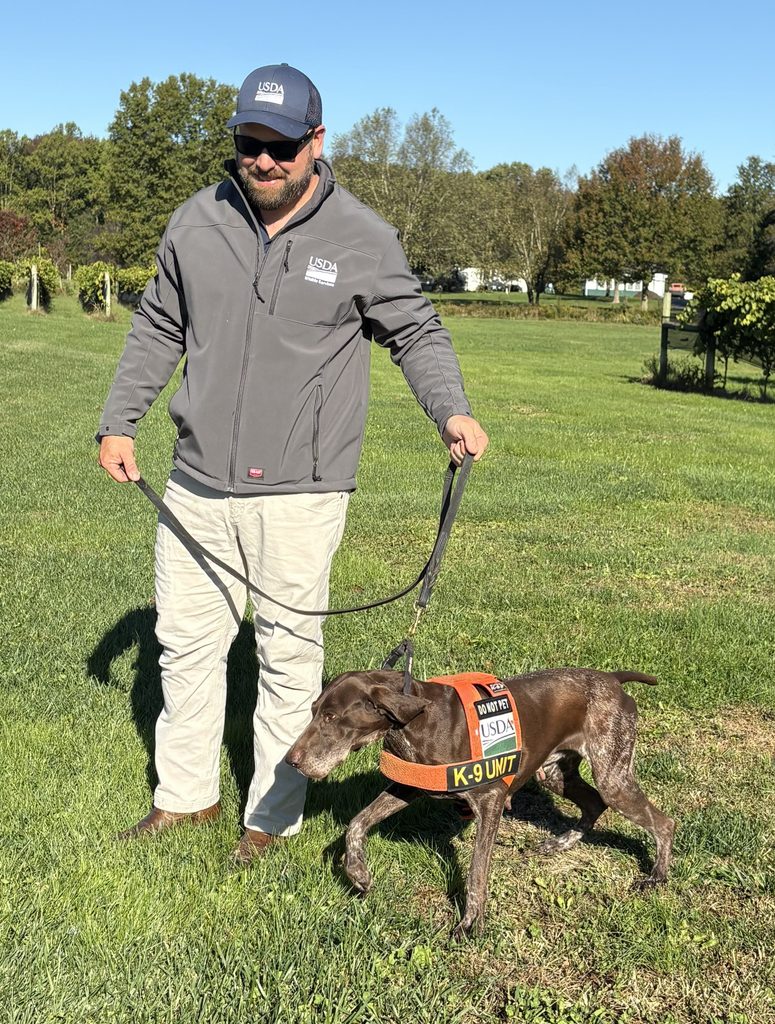
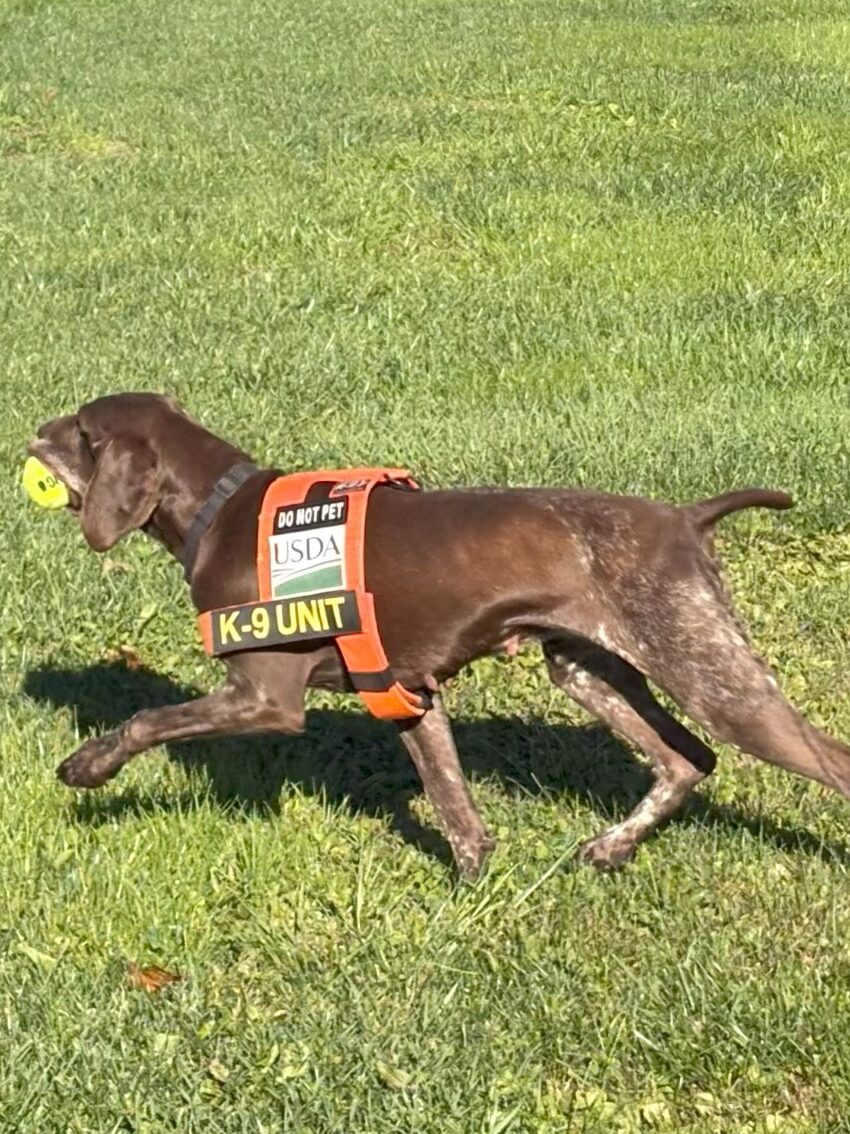
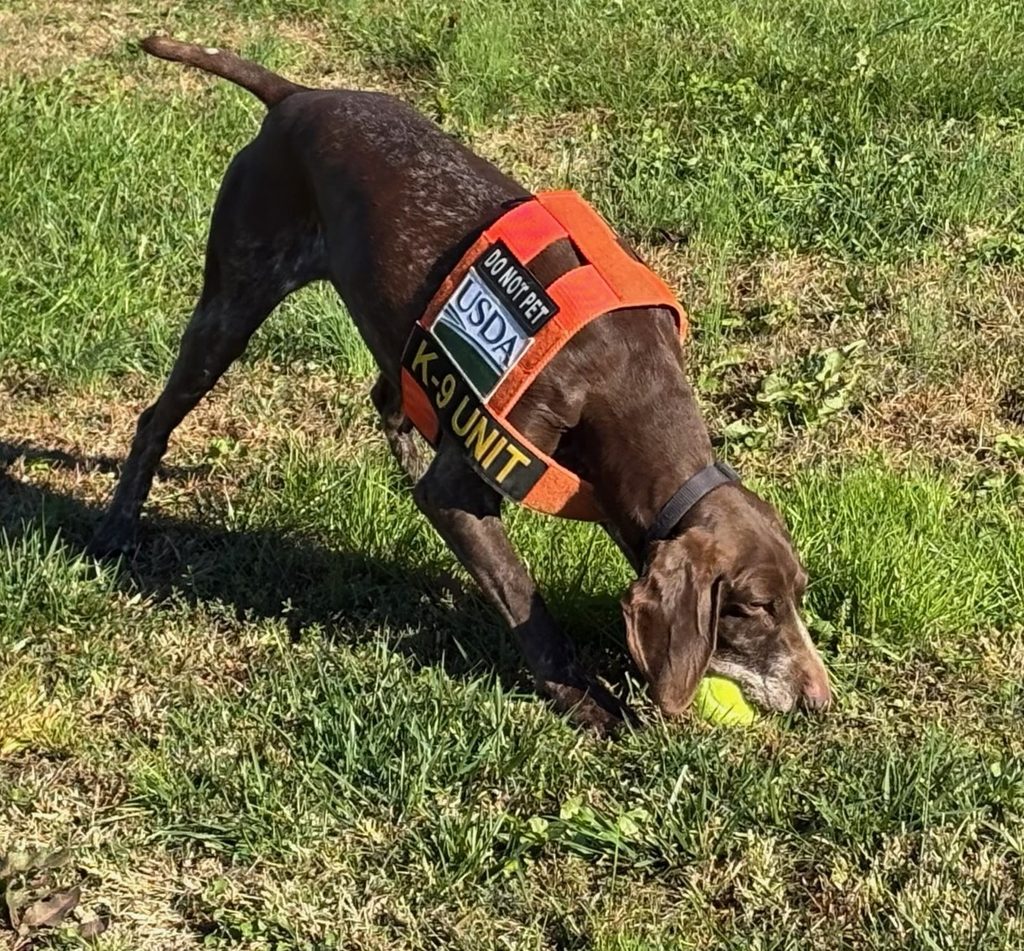
One session that stood out was delivered by Trevor Michaels, USDA Wildlife Services, who presented on the USDA’s Maryland Detector Dog Program, outlining how canine scent detection is used in the field for both invasive species management and, more recently, rare plant conservation. Following the presentation, he was joined by Del, a German Shorthaired Pointer currently working on the team, who was brought out to give a live demonstration for the audience.
Program Origins: The Delmarva Nutria Project
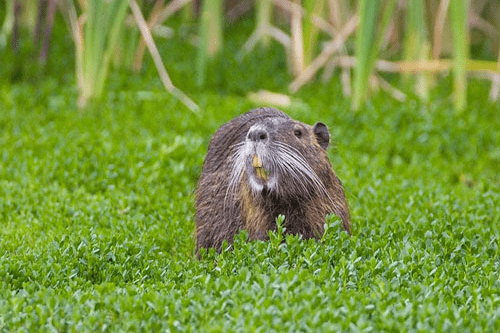
The Maryland Detector Dog Program grew out of the Chesapeake Bay Nutria Eradication Project. Nutria (Myocastor coypus) are large, semi-aquatic invasive rodents native to South America. Introduced to the U.S. in the 1800s and early 1900s for the commercial fur trade, escaped and released individuals quickly established feral populations across coastal wetlands. By the mid-20th century, wildlife managers officially recognized nutria as a major ecological and agricultural problem. With no native predators to keep their numbers in check, their rapid breeding and voracious feeding habits posed a severe threat to fragile marsh environments.
On the Delmarva Peninsula, nutria caused widespread destruction across tidal marshes. By consuming the root mats of wetland plants, they destroyed the underlying soil structure, causing marsh acreage to collapse into open water, accelerating coastline erosion, and degrading critical habitat for native fish and waterfowl.
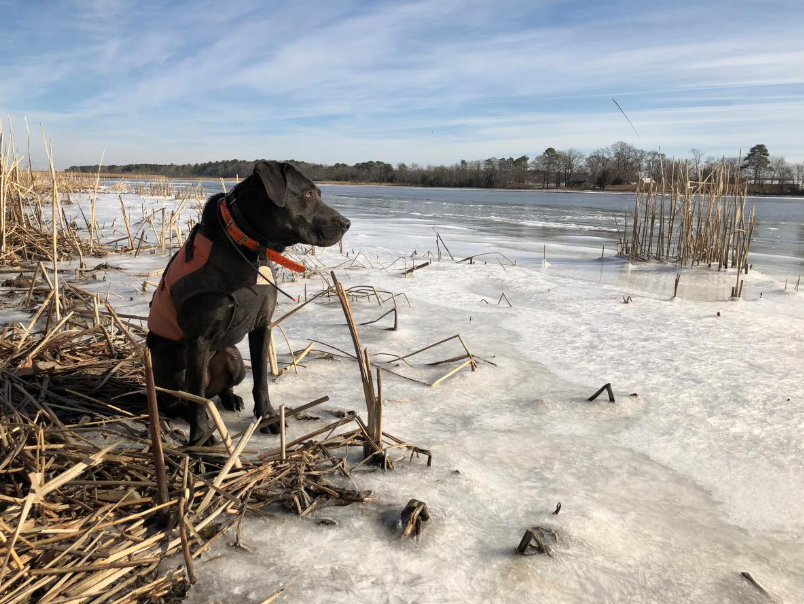
As trapping reduced nutria populations down to the final remaining individuals, finding them visually across thousands of acres of marsh became nearly impossible. In 2014, Wildlife Services partnered with the USDA-APHIS National Detector Dog Training Center (NDDTC) in Georgia to integrate detector dogs into the project.
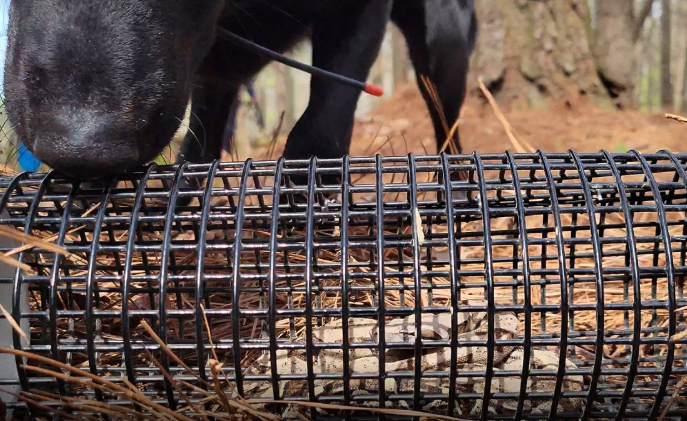
Unlike hunting dogs, these canines are trained strictly for scent detection rather than trailing, baying, or interacting with live animals. Their target is not the animal itself, but marking odors left behind, specifically scat.
Searching by scent rather than relying on visual observation allowed handlers to cover large stretches of difficult terrain far faster than human search crews alone, dramatically expanding the search area a single team could sweep in a day. This presence or absence verification provided the statistical proof needed to confirm the last remaining individuals were gone, ultimately allowing officials to declare nutria eradicated from the Delmarva Peninsula in 2022.
Target Species and Current Scope
With nutria eradicated locally, the Maryland-based teams expanded their scope and now deploy nationally to support federal, state, and private conservation projects. Current targets include:
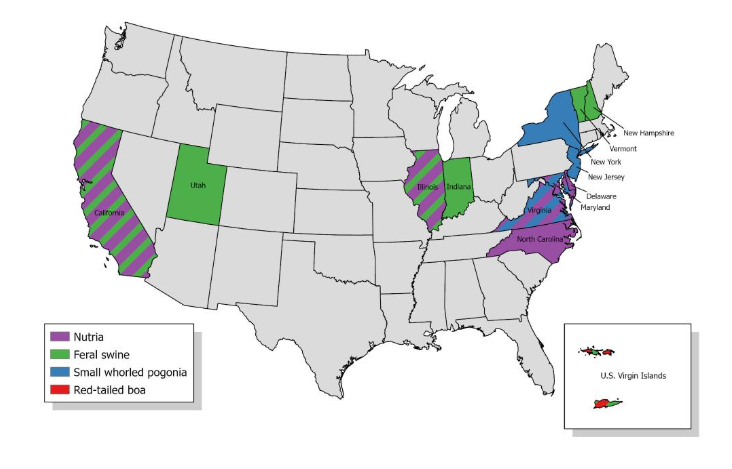
- Invasive Feral Swine (Sus scrofa): Dogs detect scat and carcasses across states like California, Illinois, and Vermont. Adding carcass detection is critical for early-warning livestock disease surveillance, such as monitoring for African Swine Fever.
- Invasive Red-Tailed Boas (Boa constrictor): Deployed to the U.S. Virgin Islands to locate invasive snakes hidden in dense tropical foliage to protect native bird populations.
- Endangered Native Small Whorled Pogonia (Isotria medeoloides): Trained to locate this federally threatened orchid across forests in Virginia, Maryland, New Jersey, and New York. To avoid damaging the fragile plant, the dog gives a passive “sit” response next to the orchid instead of an active bark.
- Wind Energy Collisions (Future): The program is currently evaluating training dogs to detect bird and bat carcasses at wind turbine sites. Because turbines are often located in tall grassland where visual inspection is difficult, dogs can efficiently locate carcasses to help measure collision mortality rates.
Training and Field Validation
Handlers and canines undergo rigorous vetting and instruction at the NDDTC in Georgia before assignment. Initial training covers basic obedience, search patterns, and target scent introduction.
While certain breeds are commonly chosen, such as Labrador Retrievers, which make up much of the marsh team, handlers select individual dogs based on temperament, drive, and their affinity for specific field environments and tasks. Once in the field, teams undergo continuous maintenance training and must pass mandatory annual field-validation test exercises to remain certified for active operations.
Protecting Delaware’s Ecosystems
The success of the Delmarva Nutria Eradication Project shows what can be accomplished when agencies sit up, take notice, and pool their specialized expertise to tackle complex environmental challenges.
By staying curious, learning from specialists like the Maryland Detector Dog Program, and barking up the right trees when reporting non-native threats, Delawareans can ensure local conservation efforts maintain a lead on invasive species across the state’s forests, fields, and tidal marshes.
Get Involved: Protecting Delaware’s habitats requires vigilant reporting from the community. If you suspect you have spotted an invasive species, report sightings to state wildlife officials or get involved with local conservation groups. To stay informed on local conservation stories, field updates, and opportunities to make an impact, subscribe to the Delaware Naturally newsletter.
Learn More
- Delaware Invasive Species Council (DISC): Visit the official DISC website to view resources, species watchlists, and upcoming meeting schedules.
- USDA-APHIS Wildlife Services: Read more about national canine scent-detection initiatives and wildlife damage management programs on the USDA-APHIS Wildlife Services portal.
- Delaware Department of Natural Resources and Environmental Control (DNREC): Access local guides on invasive species identification and land management practices through the DNREC Invasive Species page.

0 Comments