
Blog
Check out our Latest Articles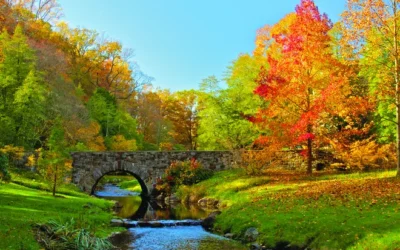
What Really Happens in Autumn: Beyond the Canopy’s Golden Glow
Beyond the canopy, and autumn’s vibrant hues, Delaware’s ecosystems execute critical seasonal processes—from chemical nutrient recycling to fueling migratory wildlife and sheltering overwintering native insects.
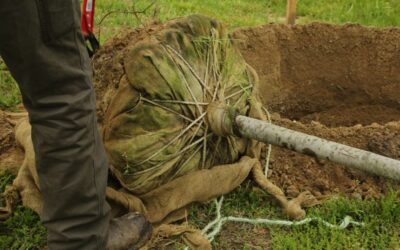
From Vision to Canopy: A Field Guide to Planting Resilient Native Trees
If you have been waiting for the right moment to plant a native tree, that moment is now. Autumn is widely considered prime planting season across our region. As cool air lowers the demand on foliage, the soil retains its warm summer heat, encouraging young roots to...
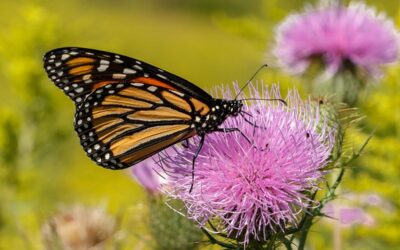
Beyond Milkweed: Fueling Delaware’s Migrating Monarchs
The fall migration of the monarch butterfly (Danaus plexippus) through Delaware is officially in full swing. Shrinking daylight and crisp early-autumn air signal a dramatic shift across our state's meadows, coastal dunes, and backyards. Peak adult sightings build in...
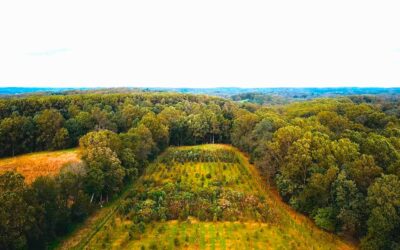
A Million Trees & Beyond: Building Delaware’s Natural Infrastructure
Restoring Delaware’s Tree Infrastructure One Tree at a Time From the loss of primeval old-growth stands to the suburban subdivisions that fragmented what remained, Delaware’s forest canopy has endured centuries of heavy pressure. While our three state forests serve...
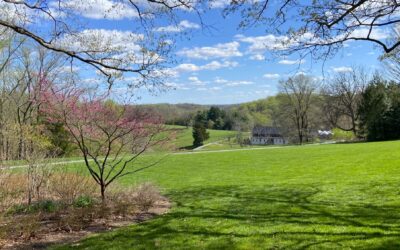
Beyond the Lawn: Reconnecting Delaware’s Fragmented Habitats
Beyond the Lawn in Post-War Delaware In our previous post, we looked back at how centuries of shipbuilding, charcoal burning, and agriculture cleared roughly three-quarters of Delaware’s native forest canopy—and how working state forests like Redden and Blackbird are...
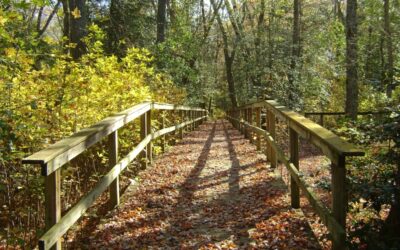
Rebuilding Delaware’s Canopy: Learning From the Forests We Lost
Delaware's Canopy: Before Asphalt and Industry Long before concrete highways, sprawling subdivisions, and neatly manicured turfgrass lawns defined the landscape of the First State, Delaware was almost entirely covered by a continuous, unbroken blanket of trees. From...
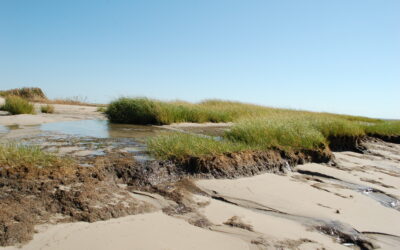
Beyond the Dunes: How Living Shorelines Are Safeguarding Delaware’s Coasts
Continuing the Shoreline Conversation When we think about coastal defense in Delaware, our minds often jump to the dramatic Atlantic shoreline. The towering sand dunes along Cape Henlopen and Rehoboth Beach stand as the state's first line of defense against powerful...
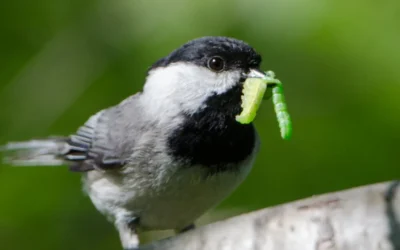
Food Deserts or Food Hubs? Why Delaware’s Songbirds Need Keystone Plants
Keystone Species: Functional Impact of Suburban Plant Choices If you look out into your yard this spring, you might spot a robin, a bluebird, or a Carolina chickadee hunting for breakfast. To us, it’s a charming backyard view. For our local songbirds, however, it is a...
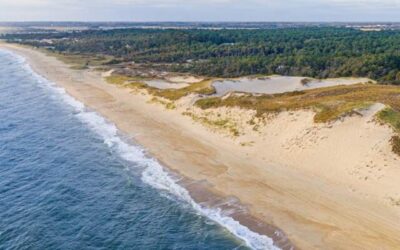
The Living Shoreline: Exploring the Ecology and Resilience of Delaware’s Sand Dunes
Sand Dunes: Delaware’s First Line of Defense When you look past the sun umbrellas and beach towels along our 62-mile coastline, you find an environment that is constantly in motion. Sand dunes do far more than just frame the beach for summer tourists because they act...