
A version of this article was published in October 2025
Protecting local wildlife starts right at home by keeping our cats indoors. Discover how indoor living supports feline health, extends lifespan, and boosts mental well-being for both you and your pet. Read the blog post here.
Celebrating Our Feline Overlords: National Cat Day and the Art of Indoor Cat Adventure
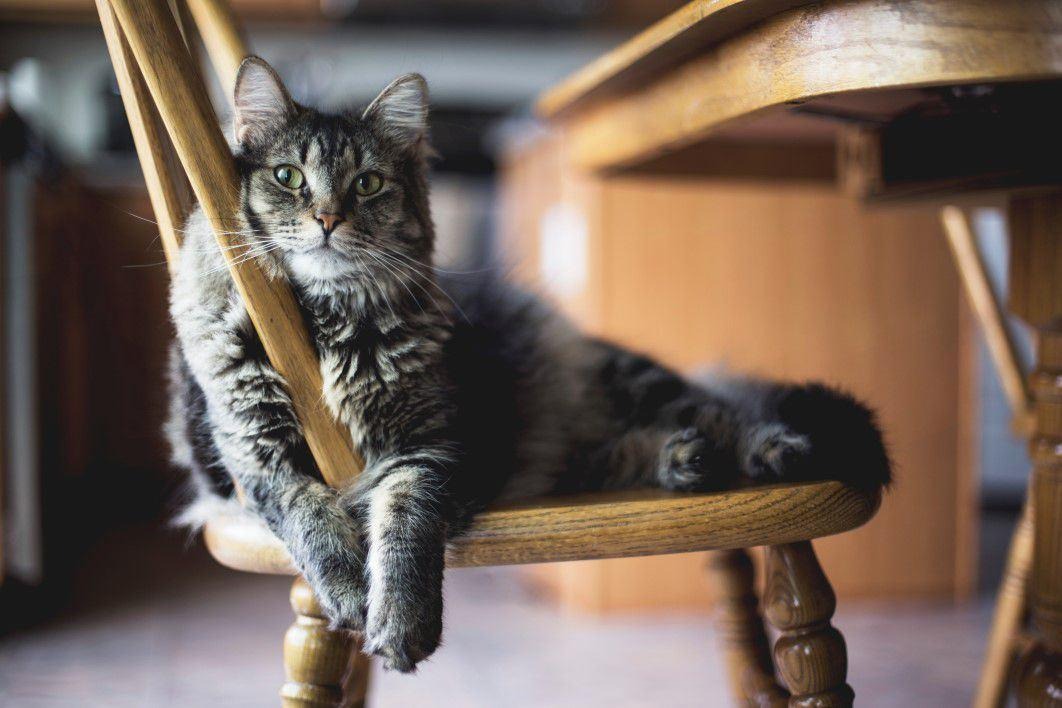
Cats are funny. They are elegant, dramatic little weirdos who sit in cardboard boxes like royalty and knock pens off our desks. Humanity has adored them for thousands of years, and for good reason. Archaeological and genetic evidence shows that cats have lived alongside humans for more than 9,000 years. Early grain farmers attracted mice, mice attracted wild cats, and a powerful alliance was born. Over time, cats moved from barn guardians to family members, spiritual symbols, and pop-culture icons. Ancient Egyptians worshiped them as protectors. Sailors brought them aboard for good luck and rodent control. Today, they are cherished companions, subjects of art, and the main characters of roughly half the internet.
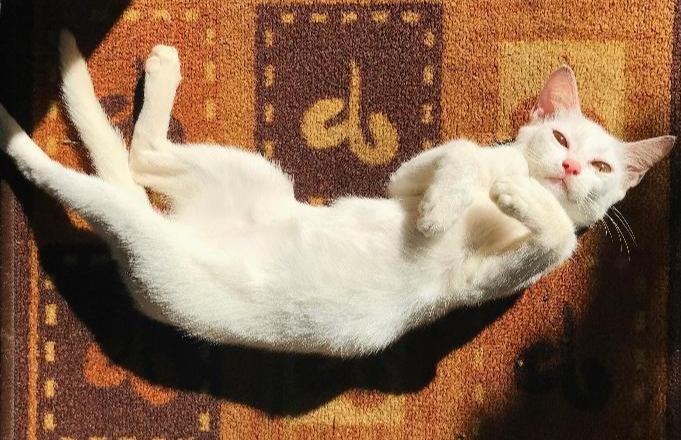
For National Cat Day (and National Cat Week, November 1st-7th), we are proudly celebrating purring, toe beans, slow blinks, and the universal law that a cat is allowed on any surface it chooses.
But being a great cat guardian also means looking at the bigger picture. Outdoor cats, even beloved family pets, face heavy safety risks and place heavy pressure on local wildlife. Keeping cats indoors is one of the simplest, most powerful ways to protect both the animals we love and the environment we share.
The Scale of the Wild: Why Cats and Ecosystems Collide
Domestic cats are incredible hunters, but that natural talent creates a challenge when they live at high human densities. Because they are not native predators in our regional ecosystems, their hunting puts intense, concentrated pressure on local birds, reptiles, and small mammals. In fact, studies estimate that outdoor cats kill billions of birds and small mammals every year in the United States.
A clever camera study by the University of Maryland showed that free-roaming pet cats overwhelmingly target native wildlife like chipmunks, skinks, and fledgling birds rather than invasive rats in suburban and semi rural spaces. The old myth of the neighborhood rat patrol just does not hold up. Instead, free-roaming pets remove animals that are crucial to soil health, seed dispersal, and local food webs.
The Math of Love: Indoor Cat Safety and Longevity
There is a common belief that letting a cat roam outside is healthier because it feels natural. In reality, veterinary experts point out that outdoor life is full of hazards like cars, poisons, and diseases. The math of pet safety is remarkably clear: indoor cats commonly live 12 to 18 years, while outdoor cats live an average of just 2 to 5 years.
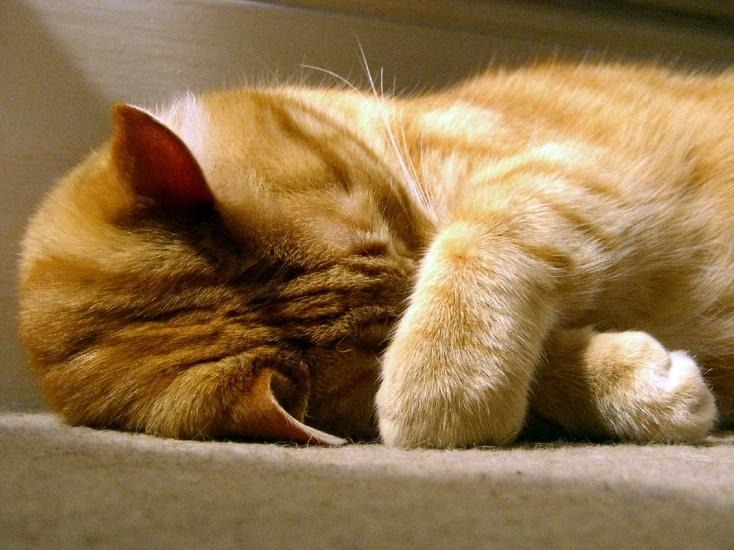
Beyond traffic and toxins, outdoor cats encounter parasites like fleas, ticks, and Toxoplasma gondii, and they frequently share space with wildlife like raccoons and foxes. This creates disease pathways that can even reach inside human homes. A safer life means a longer life filled with more couch cuddles.
The Indoor Safari: Keeping Cats Happy Inside
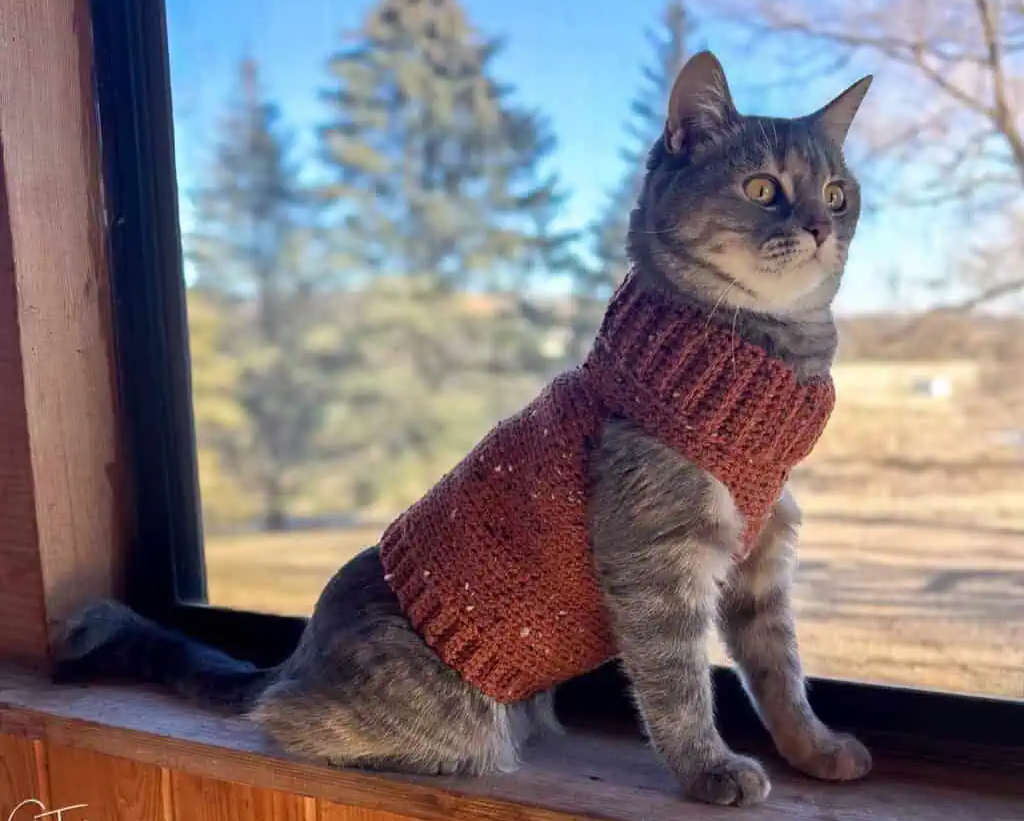
Worried your cat will miss out on adventure? Animal behavior experts say indoor cats can live deeply fulfilled, happy lives without unsupervised roaming. Cats need to climb, stalk, pounce, and observe, and you can easily upgrade their indoor kingdom.
- Rotate their toys regularly so playtime always feels fresh.
- Use puzzle feeders to engage their clever hunting brains.
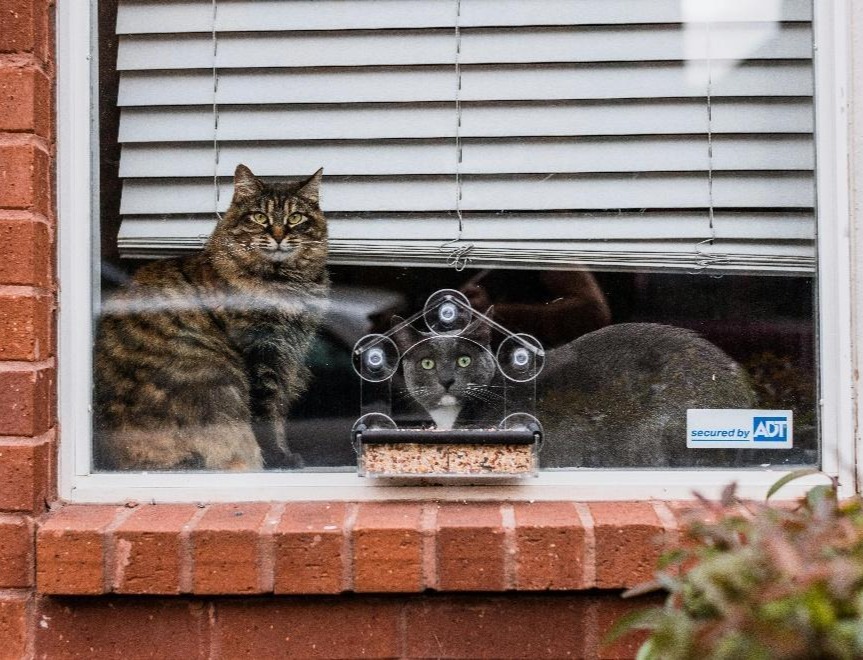
- Install tall cat trees or window perches to provide vertical territory.
- Set up a bird feeder outside for prime feline television.
- Build or buy a secure outdoor enclosure called a catio, or take social cats out on a harness and leash.
Cats as Medicine: The Science of the Human Bond
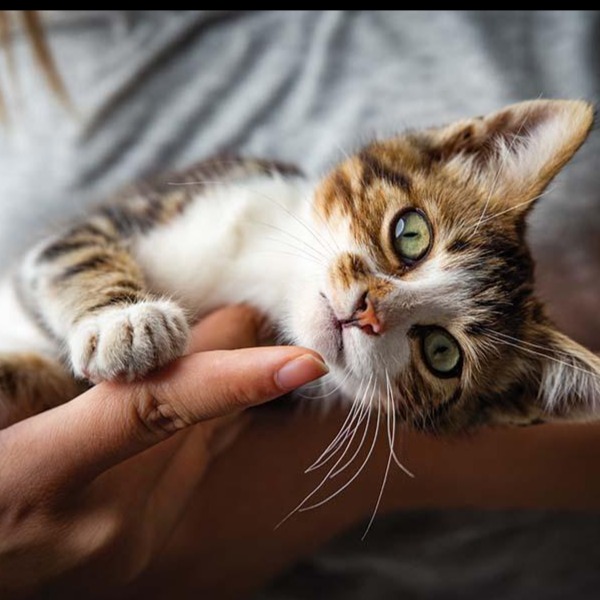
There is another wonderful reason to keep your cat inside: they are basically living medicine. Research shows that interacting with pet cats activates brain regions tied to positive emotions and social bonding. Science also shows that petting a cat lowers emotional arousal and increases parasympathetic nervous system activity, which is your body’s rest and recovery mode. Your cat sleeping on your lap helps lower your heart rate and quiet your mind. You deserve many years of that comfort.
This National Cat Day, celebrate your favorite house panther with extra chin scratches, a cozy blanket, and a slow blink. Give them a safe, rich indoor life, and thank them for staying safe inside. Stay tuned, because as we head into National Cat Week next week, we will dive even deeper into feline care and outdoor ecology!
Learn More: Science, Safety, and Feline Behavior
Curious to dive deeper into the science behind feline ecology, indoor enrichment, and human-cat bonding? Check out these trusted scientific studies and veterinary resources:
- Feline History & Evolution: Explore the evolutionary history of how cats spread across the globe and became our companions in this Smithsonian Magazine feature
- Ecology & Wildlife Research: Read the landmark Nature Communications study on cat predation in the U.S. and explore the University of Maryland urban camera project.
- Feline Health & Lifespan: Check out veterinary insights on indoor vs. outdoor risks from the Animal Emergency & Referral Center.
- The Human-Cat Bond: Dive into the brain-imaging data on feline interaction and stress reduction in PLOS ONE.
- Indoor Enrichment & Catios: Get practical tips and enclosure ideas from the American Bird Conservancy.



0 Comments