
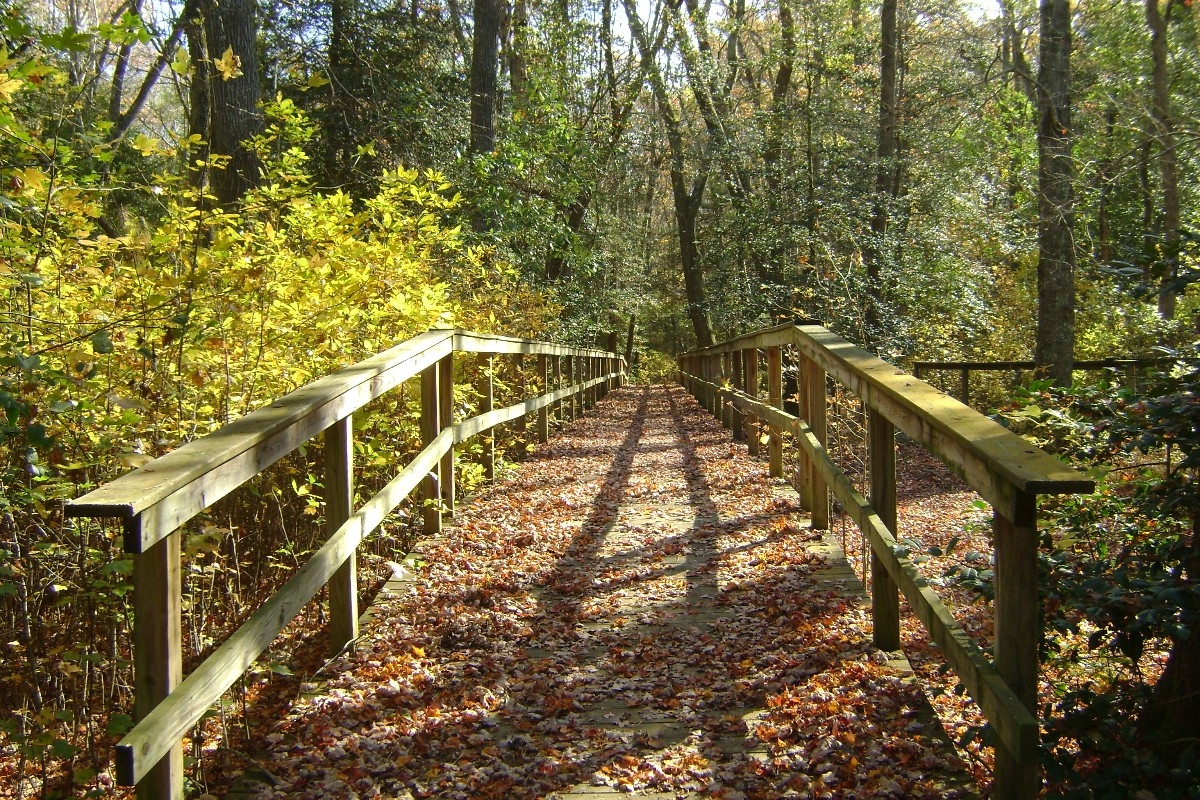
Delaware’s Canopy: Before Asphalt and Industry
Long before concrete highways, sprawling subdivisions, and neatly manicured turfgrass lawns defined the landscape of the First State, Delaware was almost entirely covered by a continuous, unbroken blanket of trees.
From the old-growth oak and hickory forests anchoring the northern Piedmont hills to the vast, primeval bald cypress swamps and damp Atlantic white cedar wetlands braiding through the southern lowlands, Delaware’s original canopy was a highly efficient, self-maintaining engine. It filtered freshwater through deep, undisturbed soils, kept local microclimates cool, and supported an incredibly complex web of wildlife that had evolved over thousands of years.
But a rapid, centuries-long economic transformation permanently altered that natural infrastructure.
The Seventy-Five Percent Drop in Delaware’s Canopy: Fueled by Industry
Beginning with European settlement in the 17th century, Delaware’s forests were viewed purely as a raw commodity and an obstacle to clear. The destruction accelerated through the 18th and 19th centuries as specific industries boomed:
- The Shipbuilding Boom: Northern white oaks were highly prized and aggressively harvested because their water-resistant cellular structure was perfect for constructing the hulls of merchant and naval vessels. Towns along Delaware’s rivers, including Milton, Milford, and Lewes, grew into prominent shipbuilding hubs explicitly because they had direct access to these vast, inland oak forests. In Milton alone, shipbuilders constructed more than 200 wooden schooners using local white oak timber.
- The Charcoal Era: Long before coal was widely adopted, early iron production was heavily dependent on wood fuel. Iron ore was aggressively mined at Iron Hill near Newark, while bog iron was scooped out of the bottom of swamps and ponds across Sussex County. To melt down this ore, a massive charcoal-burning industry operated in Delaware for over a century, clear-cutting entire swaths of hardwood forests and burning the wood in massive earthen pits to feed local furnaces.
- Agricultural Clearing: To feed a growing nation, early Delaware farmers routinely clear-cut sections of ancient woods, burned away the remaining debris to create open fields, and farmed the soil until it was worn out. To make the lowlands more hospitable for tillable farmland, streams were dammed, and wetlands were systematically ditched and drained.
By the early twentieth century, historical estimates suggest the state had lost roughly three-quarters of its original forest canopy cover. The secondary forests that eventually managed to grow back lacked the age, structural diversity, and deep canopy safety of those original old-growth stands. This aggressive clearing permanently altered how water moved across the land, triggering modern erosion and displacing specialized wildlife.
When ancient forest soils lost their protective canopy, centuries of accumulated organic matter washed into local waterways. Without deep root networks to cushion seasonal downpours, streams cut deeper channels, water tables dropped, and the natural sponge that once regulated Delaware’s freshwater supply was effectively dismantled.
Our Modern Classrooms: The State Forests
To understand what those original, resilient systems looked like, and to learn how we can begin to heal our modern landscape, we do not have to guess. We can look to Delaware’s modern working forests. Together, our three state forests, Blackbird in New Castle County, Taber in Kent County, and Redden in Sussex County, encompass just over 21,000 acres of protected public land.
These sites are far more than just parks; they serve as living laboratories. For instance, at Redden State Forest, which was traditionally dominated by timber-industry loblolly pines, the Delaware Forest Service is actively demonstrating how to transition managed, single-species stands back into diverse, resilient ecosystems.
By carefully thinning overcrowded trees, deliberately managing invasive plants, restoring natural hydrology, and using prescribed fires to clear out choking underbrush, foresters are rebuilding a healthy canopy layer. They serve as vital public classrooms, proving that reversing a legacy of forest loss is not just about preserving the past, it is about actively planting for the future.
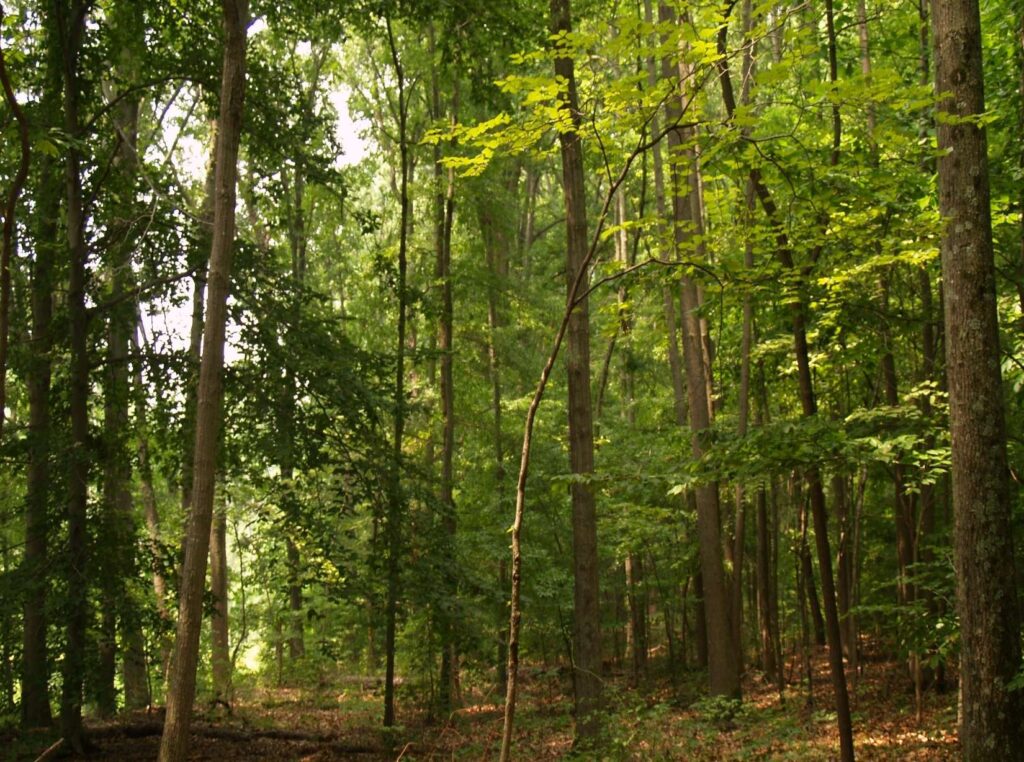
Delaware’s Canopy Looking Forward
While our public state forests provide an incredible blueprint for canopy health, public land is only one piece of the puzzle. Reversing a centuries-old legacy of forest clearing requires looking closely at our modern landscape and finding new opportunities to bring trees back to our communities.
In our next post, we will look at how post-war suburban development reshaped Delaware’s remaining woods, examine the ecological toll of lawn culture and forest fragmentation, and explore how private landowners can rebuild vital wildlife corridors right in their own backyards.
Learn More & Take Action
- Delaware Forest Resource Assessment: Explore detailed historical and modern inventory data on state forest acreage and canopy health through the Delaware Forest Service.
- Milford Shipyards & Maritime History: Learn about the 19th-century shipbuilding boom and how local white oak timber powered Sussex County maritime industries via the Milford Museum.
- Delaware’s Extractive Mineral Industry: Read the historical geology study on local bog iron harvesting and charcoal-fueled iron production from the Delaware Geological Survey.
- Visit a State Forest: Walk the trails at Redden, Blackbird, or Taber State Forests to see active canopy restoration and native habitats up close. Plan your visit through the Delaware Forest Service Education Portal.
- Stay Informed: Subscribe to the Delaware Naturally Newsletter to follow this series and get our latest conservation updates delivered right to your inbox.

0 Comments