
Keystone Species: Functional Impact of Suburban Plant Choices
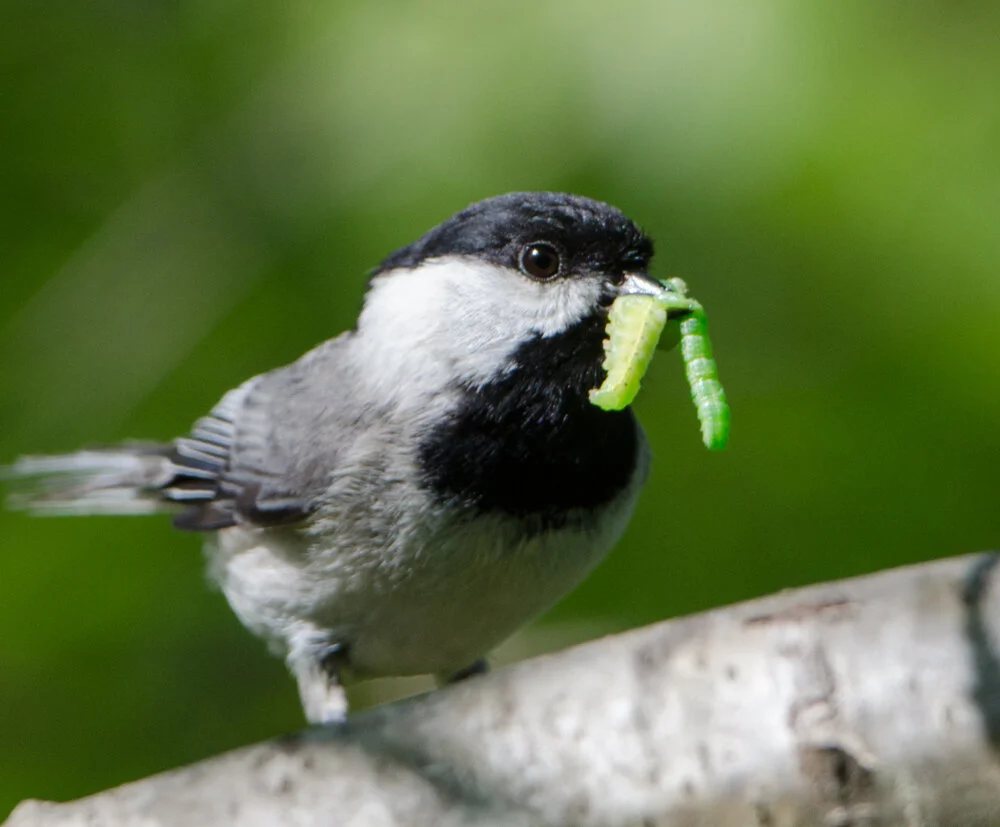
If you look out into your yard this spring, you might spot a robin, a bluebird, or a Carolina chickadee hunting for breakfast. To us, it’s a charming backyard view. For our local songbirds, however, it is a high-stakes race against time.
Consider the chickadee as an example. A single clutch of chickadee chicks requires anywhere from 6,000 to 9,000 caterpillars just to grow from eggs to fledglings. Baby birds cannot digest seeds, and they cannot eat berries. They need soft, protein-rich caterpillars, and they need them by the thousands.
Unfortunately, many parent birds are nesting in Delaware yards dominated by standard turf grass and common, non-native ornamental plants like boxwoods, marigolds, and Kousa dogwoods. While these plants are beautiful and perfectly well-behaved, they didn’t evolve alongside our local insects. To a hungry bird, these popular suburban landscaping choices offer almost nothing to eat, rendering the yard a functional food desert.
To change this, we have to look at our landscapes through a concept scientists call keystone species—the critical, heavy-lifting organisms that keep an entire natural habitat alive.
The Lessons of Yellowstone
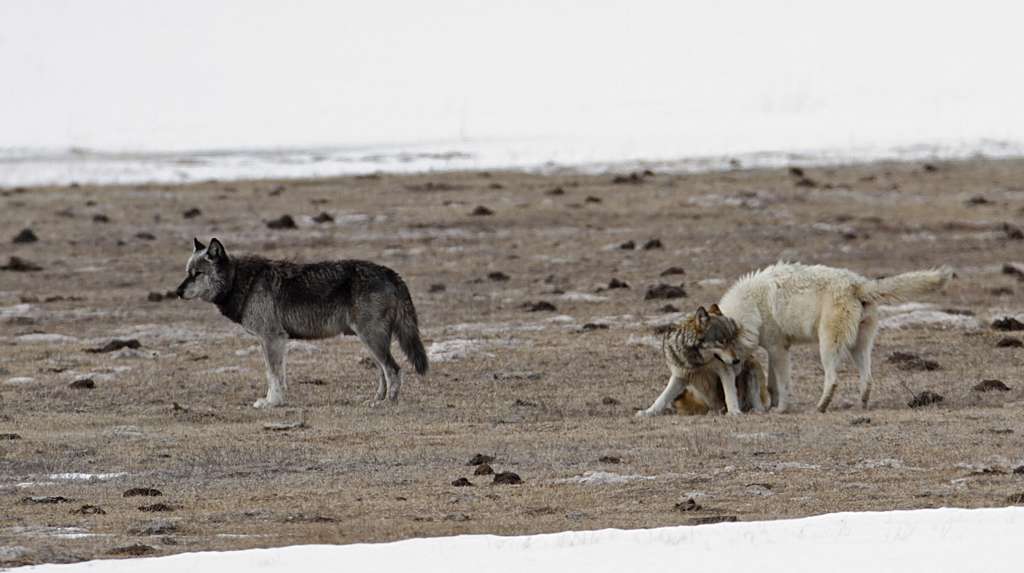
The easiest way to understand a keystone species is to look at what happened when we removed one. In the 1920s, humans completely eradicated gray wolves from Yellowstone National Park.
For the next seventy years, the park suffered a slow ecological collapse. Without wolves to hunt them, the elk population exploded. The massive herds gathered lazily along riverbanks, completely overgrazing young willow and aspen trees. Because the trees were stripped bare, songbirds lost their nesting habitats, and beavers lost the wood they needed to build dams. The riverbanks eroded, the water warmed up, and the fish died out.
In 1995, biologists reintroduced wolves to the park. The change was immediate. Not only did wolves reduce the overpopulated elk numbers, but they also changed the elk’s behavior. The herds could no longer linger safely in the open valleys. They kept moving, allowing the riversides to heal. Within years, the willow trees grew tall, the beavers returned to build wetlands, trout streams cooled down, and the songbirds came back. The wolves were the “keystone”—the single piece holding the ecosystem together.
For a long time, people assumed keystone species had to be large apex predators. But groundbreaking research right here at the University of Delaware by Dr. Doug Tallamy proved that at a local level, the ultimate keystones are actually plants.
Keystone Plants: The Powerhouse 14%
Dr. Tallamy’s team discovered that within our regional plant communities, nature divides the labor unevenly. Their research showed that a mere 14% of native woody plant species are responsible for supporting over 90% of the caterpillar species that local wildlife relies on.
This is exactly how a keystone works in an archway. The wedge-shaped stone at the very top is what locks all the other stones into position. Without it, the arch loses its structural stability, weakens, and eventually fails to bear weight.
In Delaware, if we mostly plant imported or non-native landscaping options or worse, invasive species like Callery pear or burning bush that escape into our wild spaces, we are pulling those support stones out of our local habitat. Because native insects can generally only eat the specific native plants they co-evolved with over thousands of years, a yard or park lacking this powerhouse 14% becomes structurally compromised, leaving local birds and pollinators with a fractured, struggling food web.
Delaware’s Core Keystone Plants
According to data from the U.S. Forest Service and the National Wildlife Federation, you don’t have to guess which plants are doing the heavy lifting. While this is far from a complete list, a few clear regional champions anchor our environment:
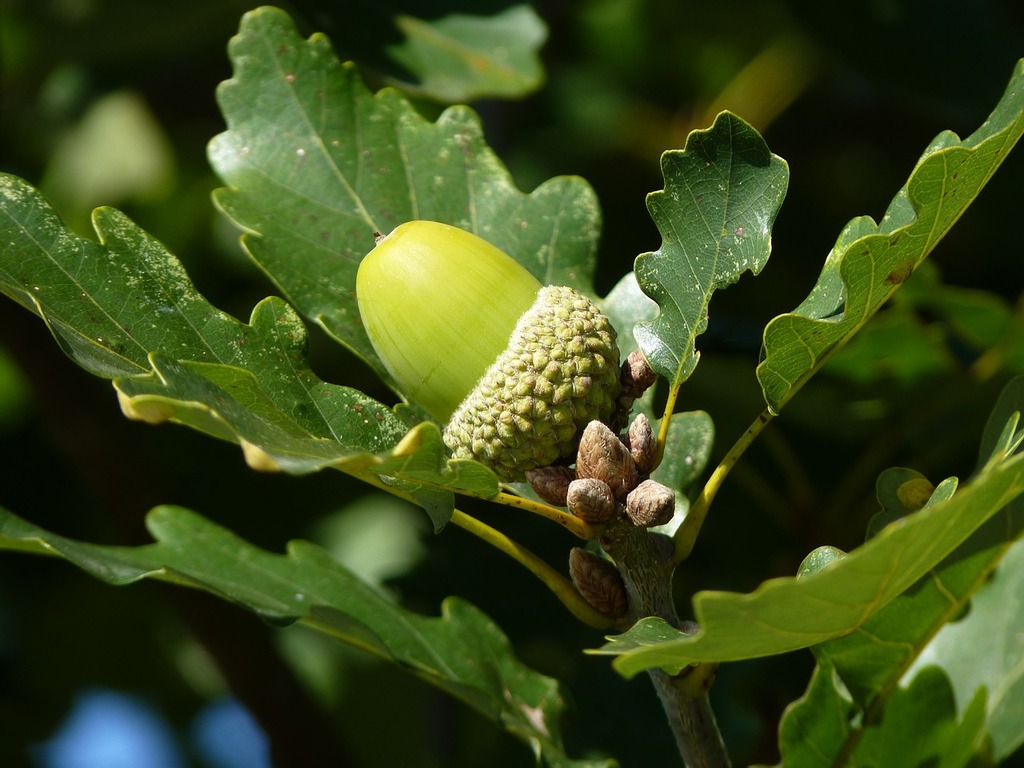
- Native Oaks (Quercus): The undisputed giants of local biodiversity. A single native oak tree has the genetic capacity to support an astonishing 436 species of caterpillars in our region.
- Native Cherries and Plums (Prunus): A close second, supporting up to 340 caterpillar species.
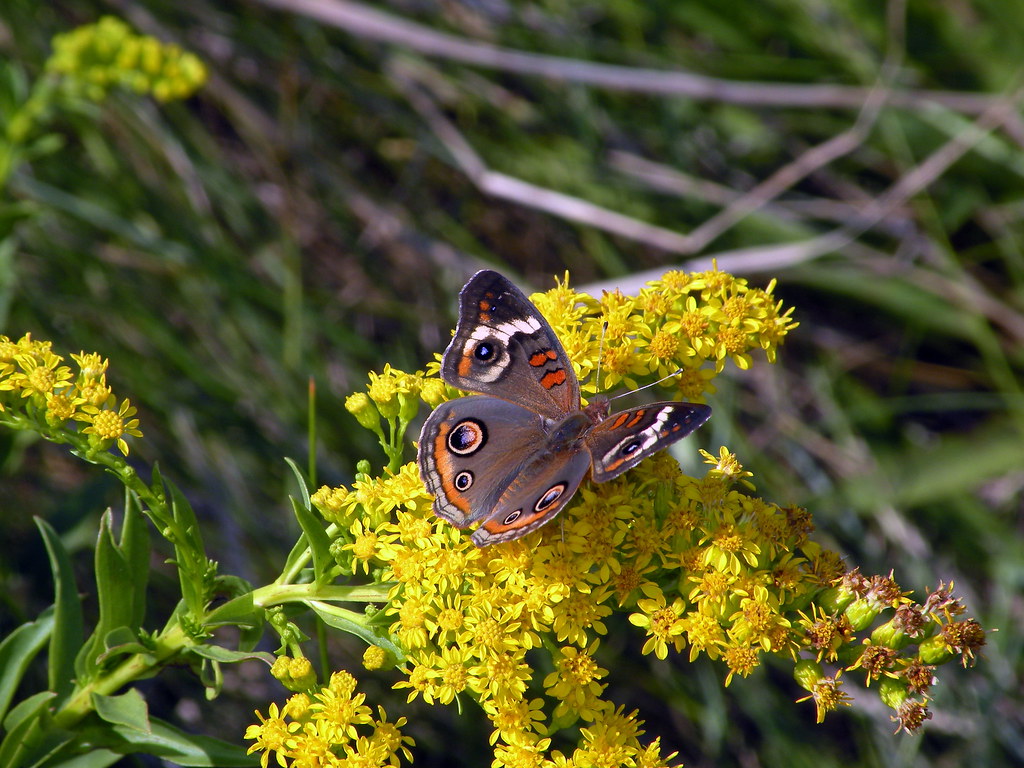
- Goldenrods (Solidago) and Asters (Symphyotrichum): The late-summer champions. They feed over 100 caterpillar species while providing critical, late-season pollen for dozens of specialized native bee species.
To explore the full variety of trees, shrubs, and flowers anchoring our local food web, you can view the complete National Wildlife Federation Keystone Species List for Eastern Temperate Forests.
Growing a Living Landscape With Keystone Species
We often look at global environmental headlines and feel entirely powerless to help. But local botanical research proves that thoughtful choices in our own neighborhoods can make a measurable difference. You don’t need a pack of wolves to inject life back into New Castle, Kent, or Sussex counties.
By deliberately weaving a few of these Mid-Atlantic keystone plants into our yards, schoolgrounds, or local parks, we help fortify the baseline of Delaware’s living landscape. This planting season, consider looking past the generic, imported garden center options. By choosing a native oak, cherry, or aster, you are directly contributing to the resilience of the local ecosystem right outside your window.
Learn More & Take Action
Want to transform your patch of Delaware into a biodiversity hub? Use these reputable regional and scientific tools to get started:
- Find Your Yard’s Keystone Plants: Plug your zip code directly into the National Wildlife Federation Native Plant Finder to see exactly which oak, cherry, and perennial species host the highest numbers of butterflies and moths in your specific Delaware neighborhood.
- Join the Homegrown National Park Movement: Founded by Dr. Doug Tallamy, the Homegrown National Park Hub provides guides on how to regenerate biodiversity by converting half of your lawn space into native keystone plantings.
- Shop Native in Delaware: Check out the Delaware Native Plant Society Nurseries Guide to locate local, trusted nurseries across Kent, Sussex, and New Castle counties that stock true local-ecotype keystone plants rather than generic imports.
- Stay Informed: Subscribe to the Delaware Naturally Newsletter to get our latest news and updates delivered right to your inbox.
0 Comments