
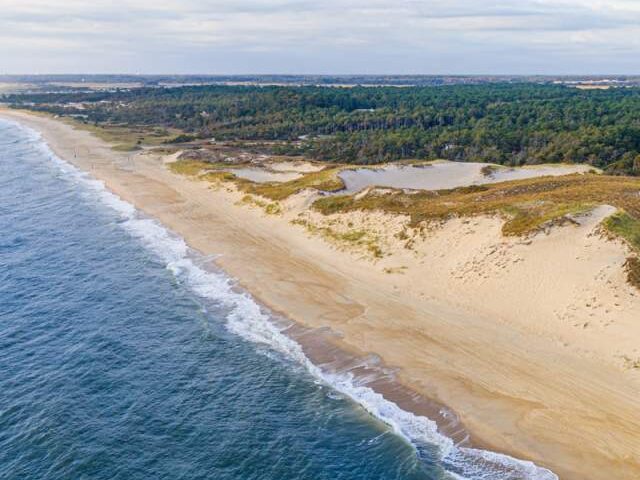
Sand Dunes: Delaware’s First Line of Defense
When you look past the sun umbrellas and beach towels along our 62-mile coastline, you find an environment that is constantly in motion. Sand dunes do far more than just frame the beach for summer tourists because they act as our most critical shield against severe coastal storms. This protection is especially vital because, with an average elevation of just 60 feet, Delaware has the lowest mean elevation of any state in the nation. This remarkably low profile puts our coastal communities on the immediate front lines of a rising ocean. By exploring how these dunes function as a living natural fortress, we can better understand why they are so essential to our state and how we can effectively protect them together.
The Mechanics of a Sand Dune: Natures Shock Absorber
A sand dune is not a static pile of sand but a dynamic, highly organized transition zone between the marine environment and inland marshes. Rather than acting as a rigid wall, a dune functions as a flexible geological shock absorber that operates on a system of calculated sacrifice. During severe nor’easters and hurricanes, the dune dynamically yields its stored sand bank to the waves. This physical disruption pulls raw energy out of the surf, forcing waves to break farther offshore and sheltering the fragile ecosystems behind it.
Dunes also act as a massive hydrological filter and sponge. They capture and slow down stormwater runoff to prevent direct flooding while simultaneously blocking saltwater from contaminating freshwater aquifers.
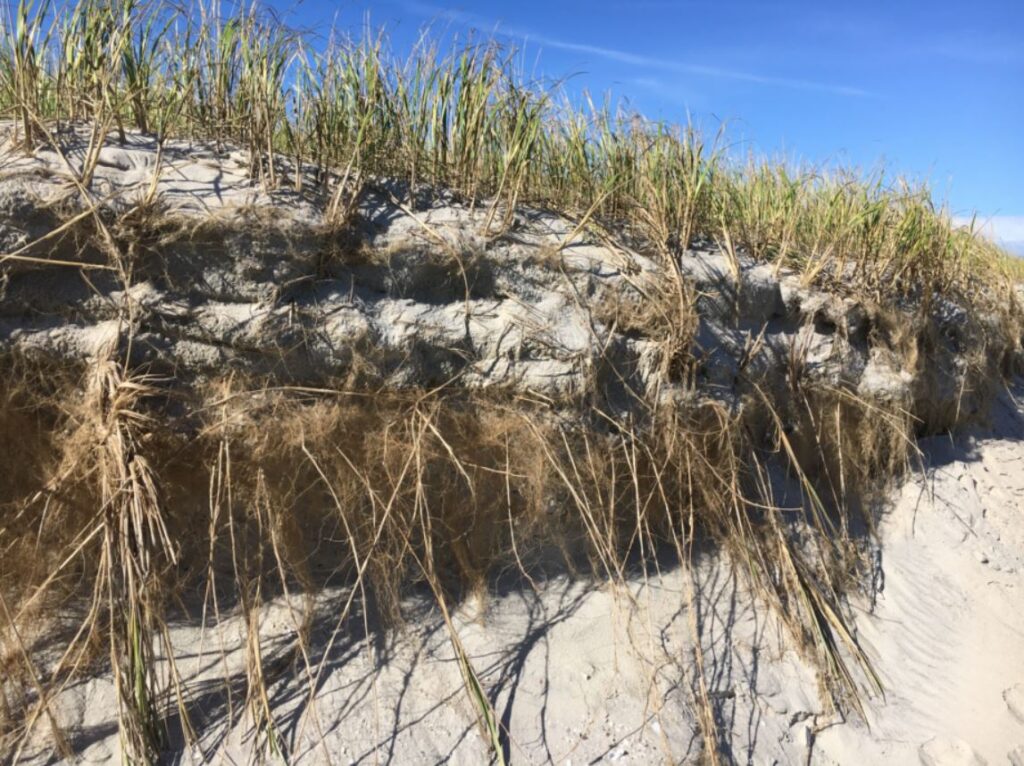
Coastline Anchoring: The Botany of a Sand Dune
The structural integrity of this natural fortress depends entirely on a specialized group of native plants that thrive in desert-like conditions. These plants face extreme heat, salt spray, and nutrient-poor sand, yet they have developed ingenious ways to anchor the shoreline.
American Beach Grass (Ammophila breviligulata)
This is the primary architect of the dune system. It uses an extensive network of horizontal underground stems called rhizomes that can grow up to 30 feet long to bind loose sand together. If blowing sand completely buries the plant, the stem actively pushes upward to break through the surface, while the accumulation of sand actually stimulates the roots to grow deeper and stronger.
American Searocket (Cakile edentula)
Growing low to the ground right where the upper beach meets the dune, this succulent acts as the first line of defense. It uses a deep central taproot to anchor itself against the high tides and shifting sands of the intertidal zone.
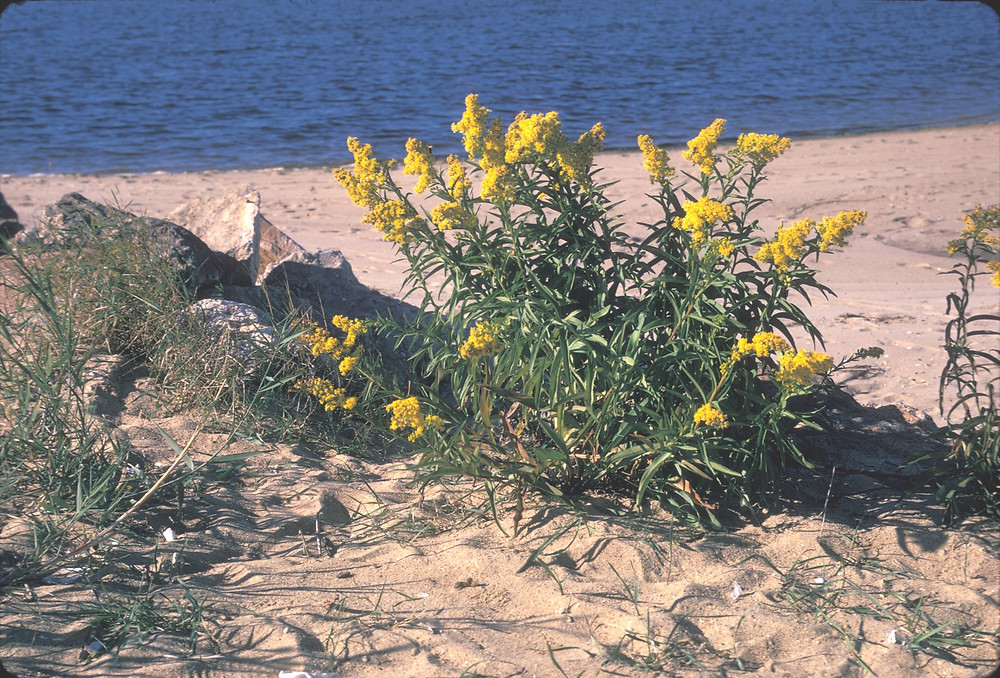
Seaside Goldenrod (Solidago sempervirens)
Found along the back ridges of the dunes, this salt-tolerant plant has thick, waxy leaves that conserve moisture. The physical pattern of its upright leaves acts as a funnel, deliberately intercepting windblown sand and directing it down toward the base of the plant to build up the ground around it.
Eastern Prickly Pear Cactus (Opuntia humifusa)
In the sheltered, inland swales further from the salt spray, this true succulent establishes itself in the sand. Its flat pads and sharp spines act as micro-windbreaks that slow down air currents and reduce moisture loss in an environment that otherwise drains water instantly.
Sand Dune Ecosystems and Wildlife Dynamics
This specialized habitat serves as an irreplaceable sanctuary for highly threatened wildlife. The critical importance of these sandy interfaces is a cornerstone of the Delaware Wildlife Action Plan, which flags beach and dune ecosystems as tier-one habitats for species of greatest conservation need.
Fragile Avians of the Dunes
Right at the junction where the primary dune slopes down into the beach, sensitive shorebirds make their stand.
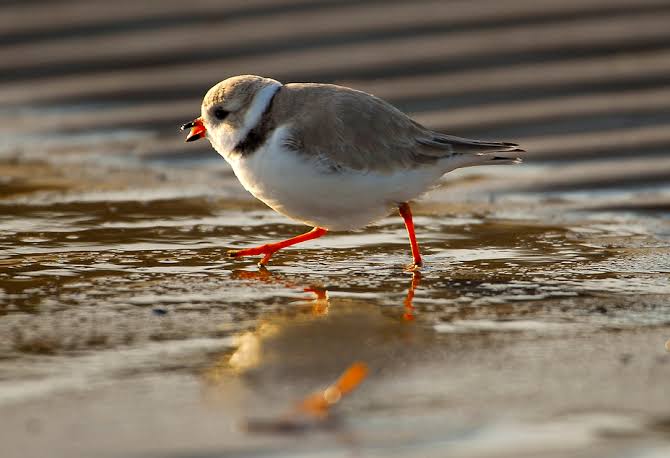
- Piping Plover: This state-endangered bird scratches out tiny, shallow depressions directly in the sand and gravel rather than building traditional nests. They rely on the open backdune environment for camouflage and use sparse grasses to shelter their vulnerable chicks.
- Least Tern and American Oystercatcher: These species depend on undisturbed dune margins to nest and rest away from the rising high-tide line.
The Micro-Fauna and Global Food Webs
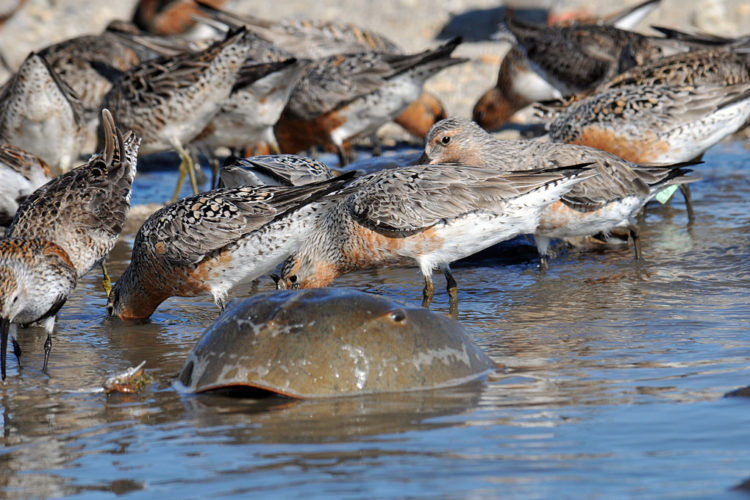
Beneath the sand and within the decomposing seaweed piles known as the wrack line, specialized organisms like burrowing ghost crabs and unique beach beetles rely on the insulated micro-climate of the dune base. Intact dune profiles also prevent high tides from washing away the upper beaches where millions of horseshoe crabs spawn each spring. This directly ensures a reliable food supply for migratory shorebirds like the Red Knot. These plant communities also provide critical fueling stations for insects, such as seaside goldenrod which attracts migrating monarch butterflies.
The Environmental and Economic Costs of Dune Loss
Losing these systems would be catastrophic for Delaware. Without dunes, rising ocean waters push directly into low-lying inland areas, triggering a destructive phenomenon known as coastal squeeze. Unchecked storm surges would wipe out coastal communities, push saltwater into fragile freshwater aquifers, and create ghost forests by poisoning adjacent inland woodlands.
- Financial Impact: Maintaining intact dunes offers massive financial protection. Planting native dune vegetation costs an average of $1,550 per 1,000 plants, yet an intact system provides an estimated $11,000 to $203,000 in direct storm protection benefits per property.
- Present Threats: Today, these barriers face intense threats from sea levels rising at some of the highest rates in the nation, compounded by land subsidence.
- Human Pressure: Human recreational pressures like off-road vehicles, unmanaged foot traffic, and loose pets act as direct drivers of habitat destruction.
- Structural Failure: When human disruption kills the protective vegetation, wind quickly hollows out the sand to create blowouts, which become immediate failure points where the ocean can breach inland during severe storms.
Actionable Citizen Stewardship: How You Can Help Protect our Sand Dunes
Our coast’s resilience depends directly on the daily habits and active help of the people who live here and visit.
- Stay on Designated Crossings: Always use official boardwalks and designated sand pathways to avoid crushing the young plants that hold the dunes together.
- Never Sled on the Dunes: Sliding down a dune bends and snaps frozen beach grass stems and rips out structural sand fencing, leaving the sand bare and vulnerable to winter nor’easters.
- Volunteer for Planting Efforts: Every spring, state agencies coordinate volunteer efforts to plant thousands of native beach grass plugs along weak dune lines.
- Participate in Community Science: Look for official CoastSnap camera cradles at local state parks to help researchers record how our dunes change and recover over time.
By looking out for the tenacious plants and wildlife that anchor the sand, we help keep our unique coastal environments strong, safe, and beautiful for generations to come.
Join Our Community of Guardians!
If you love learning about Delaware’s unique ecosystems and want to discover practical ways to protect our native biodiversity, don’t miss an update. Subscribe to the Delaware Naturally Newsletter to get inspiring conservation stories and local volunteer opportunities sent right to your inbox!
Learn More and Scientific Resources
To dive deeper into the research and policies shaping Delaware’s coastal sand dunes, explore these official resources:
- Ecology and Habitat Mapping: Delaware Naturally Habitats and Ecosystems Page
- State Wildlife Strategy: DNREC Delaware Wildlife Action Plan
- Dune Protection Policies: DNREC Dune Protection Portal
- Native Coastal Botany: Cape Gazette: Tenacious native plants anchor windswept coastal dunes
- Financial Impact Analysis: DNREC Sand Dune Stewardship Guide
- Beach-Nesting Bird Conservation: DNREC Beach-Nesting Birds Program
0 Comments