
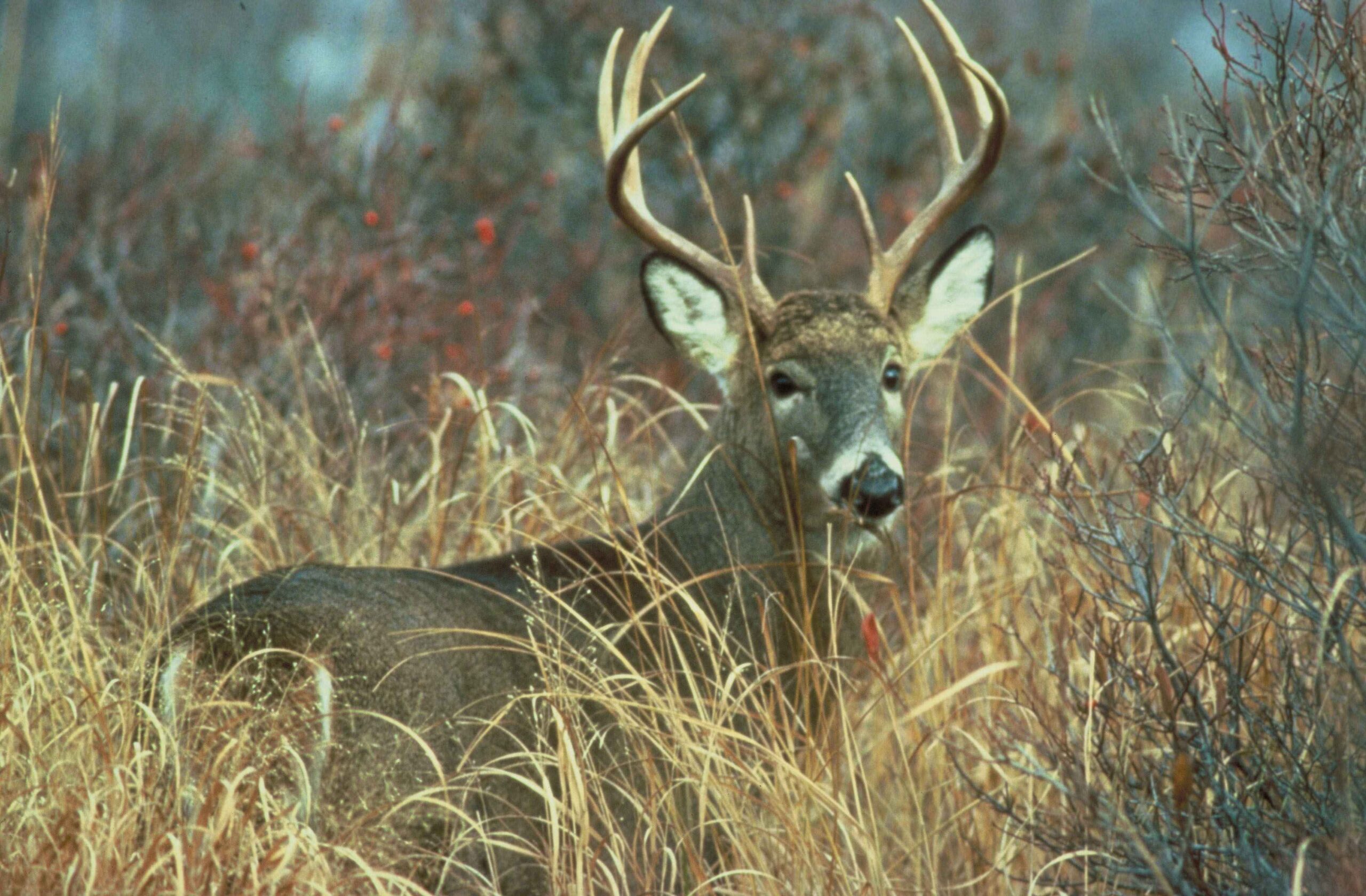
Delaware has confirmed its first case of Chronic Wasting Disease (CWD) in a Sussex County white-tailed deer, a development that highlights the critical link between deer overpopulation and the health of our native ecosystems. By understanding how high population density facilitates the spread of this fatal disease, we can better appreciate the necessity of local stewardship and the steps we can all take to protect the biological integrity of the First State.
What Is Chronic Wasting Disease?
Chronic Wasting Disease is a fatal, highly contagious neurological, illness affecting members of the deer family (Cervids). It spreads through direct contact and environmental contamination and can take years to show symptoms. To understand CWD, it is helpful to look at its “cousins” in the family of diseases known as spongiform encephalopathies. This complex name simply describes diseases that cause the brain to develop tiny holes until it resembles a sponge.
Much like “Mad Cow Disease” in cattle or Scrapie in sheep, CWD is not caused by a virus or bacteria. Instead, the culprit is a prion. A prion is a misfolded protein that triggers a chain reaction, causing normal proteins in the brain to misfold as well. This process leads to listlessness, abnormal behavior, and eventual death. Because these prions are not “alive” in the traditional sense, they are incredibly resilient. They cannot be destroyed by standard disinfectants, heat, or seasonal weather changes.
The Connection: Density and Transmission of CWD
CWD is shed by infected animals through saliva, urine, blood, and feces. It can be transmitted directly through animal-to-animal contact or indirectly through the environment. Research from the USGS and the CDC indicates that prions bind tightly to soil minerals, particularly clay and quartz, staying infectious for a decade or more.
The arrival in the First State follows a troubling North American trend. The disease has now been detected in at least 32 U.S. states and four Canadian provinces, demonstrating a steady expansion that wildlife biologists are working hard to contain.
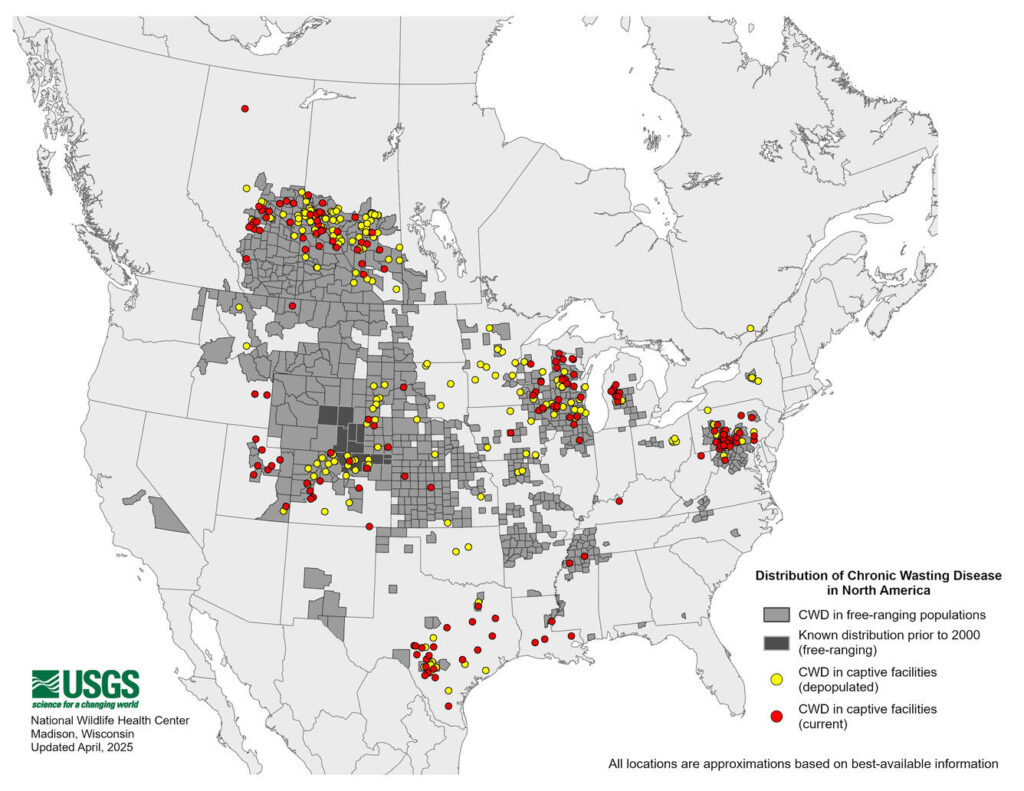
This environmental persistence is where our previous discussion on deer overpopulation becomes vital. Unlike the habitat and ecosystem pressures we’ve already explored, this is not a problem that stabilizes over time, it intensifies as deer density increases. High deer density acts as a massive accelerant for the disease for several reasons:
- Social Clustering: Overpopulated herds are forced to compete for limited high-quality food, leading to congregation at remaining food and water sources. These clusters become high-traffic zones for prion shedding.
- Habitat Stress: In our over-browsed forests, the lack of a healthy native understory means prions remain more accessible on the surface of the soil rather than being filtered through a robust, diverse forest floor.
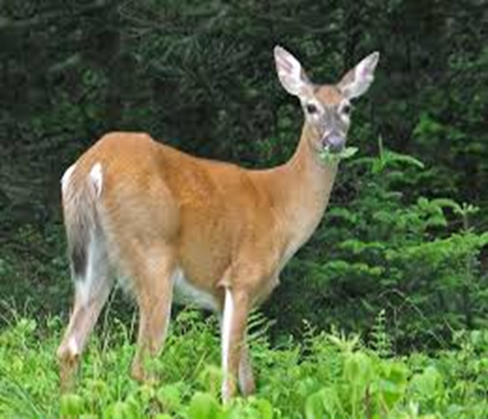
- Silent Spread: A deer can look perfectly healthy for 18 to 24 months while actively shedding prions across the Delaware landscape, making high-density populations a hidden reservoir for the disease.
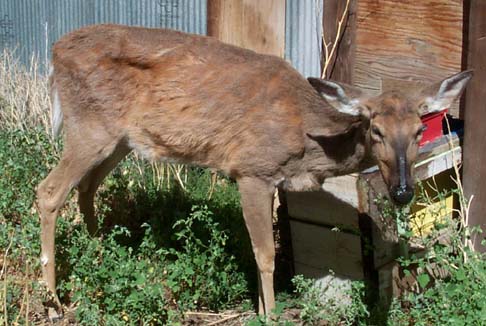
Despite appearances, both of the deer shown below are affected by Chronic Wasting Disease.
Response and Responsibility
In April 2026, DNREC confirmed the first case in a wild white-tailed deer. This has prompted the activation of Delaware’s CWD Response Plan, establishing a Management Area in Wildlife Management Zones 14 and 16. Managing this disease is a collective effort in conservation and public awareness.
Impact Fact: Prions can remain infectious in the soil for over 10 years, meaning management today protects the Delaware landscape for the next decade.
What You Can Do
While CWD is a serious challenge, informed community action is our best defense.
- Support Balanced Populations: Hunting remains a primary tool for wildlife biologists to manage density. Data suggests that consistent harvesting is one of the few ways to keep infection rates low within a herd.
- Adhere to Disposal Guidelines: If you are a hunter within the management zones, follow all DNREC carcass disposal rules. Preventing the movement of high-risk tissues, such as brains and spinal columns, is essential to keeping prions out of new areas.
- Observe and Report: If you see a deer showing signs of “wasting,” such as drooping ears, excessive drooling, or an unusual lack of fear of humans, do not handle the animal. Use the DNREC Sick and Injured Wildlife Reporting Form.
- Follow Health Recommendations: While there is no proven transmission to humans, the CDC recommends testing any deer harvested in a CWD-positive area before consuming the meat.
The health of Delaware’s white-tailed deer is a reflection of the health of our entire ecosystem. By addressing overpopulation today, we are defending the biological integrity of the First State for generations to come.
Ready to take the next step? Visit our Make a Difference page to find local volunteer opportunities, conservation resources, and more ways to support Delaware’s native species.
Learn more:
Explore our website to Discover More about Delaware’s wildlife and Its Ecosystems. To stay updated on conservation efforts, news stories, and opportunities to get involved throughout the year, Subscribe To Our Newsletter


0 Comments