
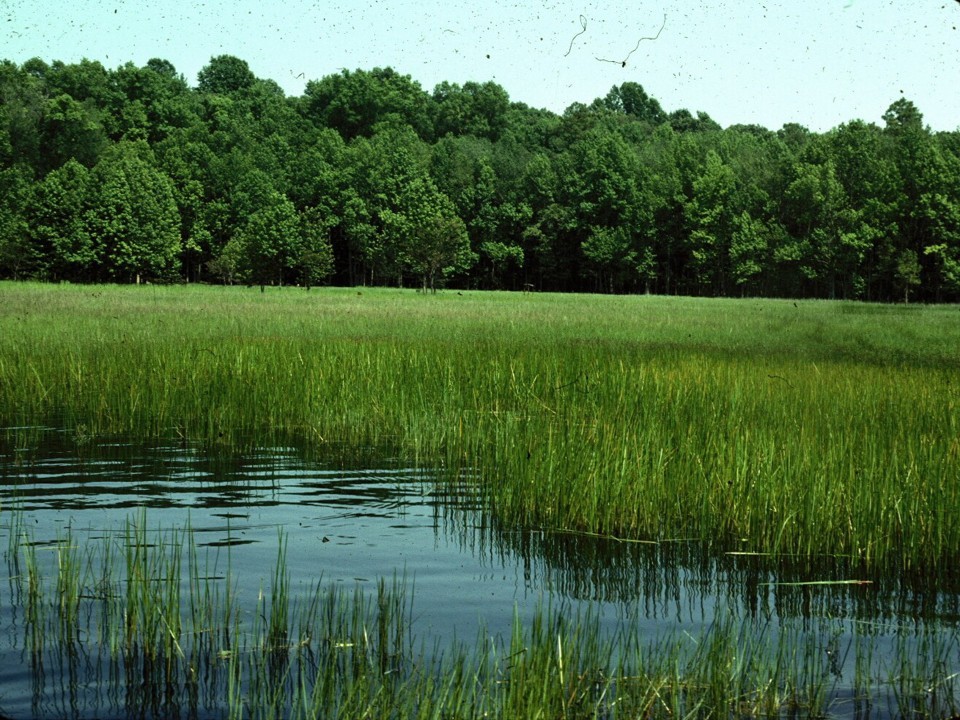
Vernal Pools: Hidden Habitats in a Changing Landscape
They appear briefly, vanish quietly, and are easy to miss. But for a few critical months each year, Delaware’s vernal pools come alive with the calls of wood frogs, the flash of salamanders, and the shimmer of newly laid eggs.
These small, seasonal wetlands, which are temporary by nature, but permanent in importance, are among the most ecologically rich habitats on the Delmarva Peninsula. Yet many people pass by them without ever realizing what they are.
Why care about something so small, so fleeting? Because for the right species, in the right season, a single pool holds an entire world.
What Are Vernal Pools?
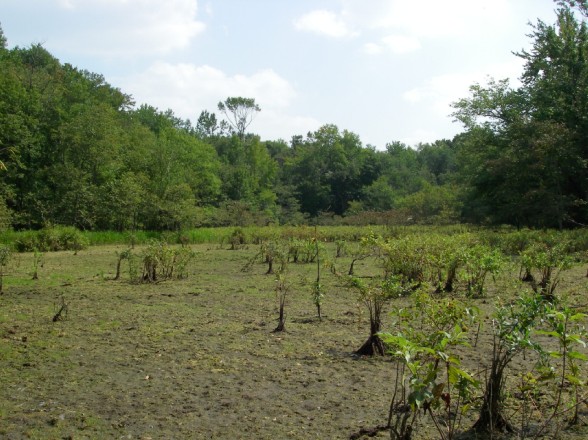
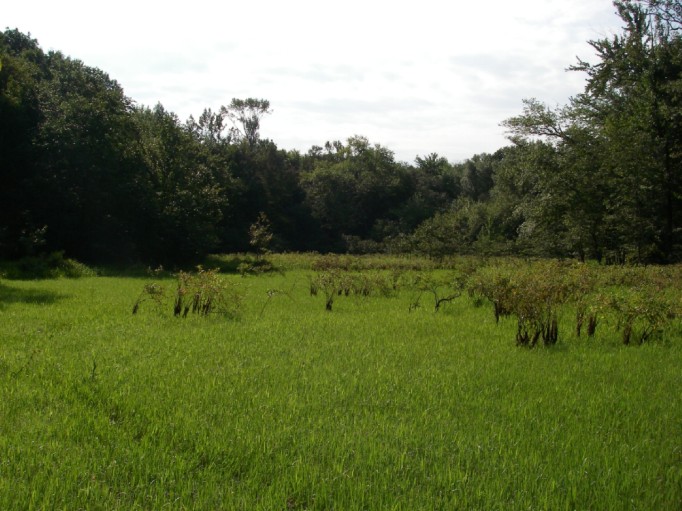
Vernal pools, sometimes called seasonal ponds or Delmarva bays, are shallow freshwater depressions that form in low-lying forested or upland areas. They fill in late fall and winter as groundwater rises and precipitation collects, then dry out by late summer as the water table drops.
What makes them unique is their isolation. No streams flow in or out, which prevents fish from entering. That absence of fish creates a rare and critical safe zone for amphibians and invertebrates to reproduce.
Most vernal pools in Delaware are small, often less than an acre, and irregularly shaped. Their temporary nature is not a limitation, but a defining strength that supports highly specialized life.
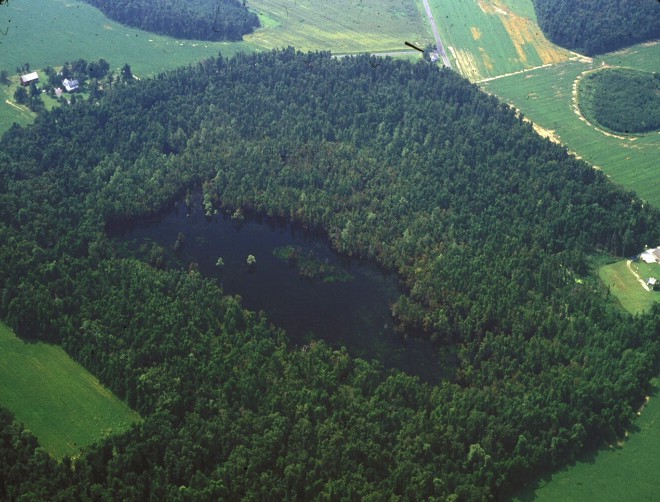
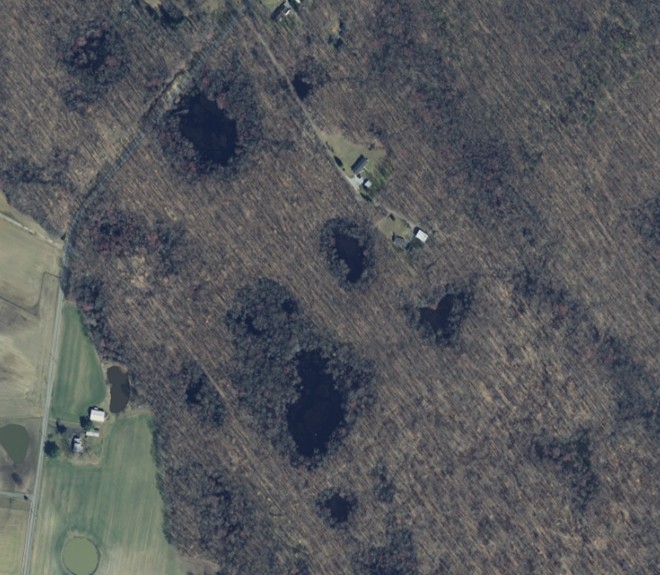
Origins and Distribution of Vernal Pools: Shaped by Wind, Time, and Water
These vernal pools are ancient features of the landscape. Their origins trace back 15,000 to 20,000 years to the late Pleistocene, when retreating glaciers and strong winds shaped shallow depressions across sandy coastal plains.
Today, an estimated 1,500 to 2,500 vernal pools are scattered across the Delmarva Peninsula, with notable concentrations in southwestern New Castle County and northwestern Kent County.
While each pool may seem small on its own, together they form an interconnected ecological network that supports biodiversity across the region.
Why Vernal Pools Matter
Breeding Grounds for Specialized Species
Some species depend entirely on vernal pools to reproduce. Without them, they simply cannot survive.
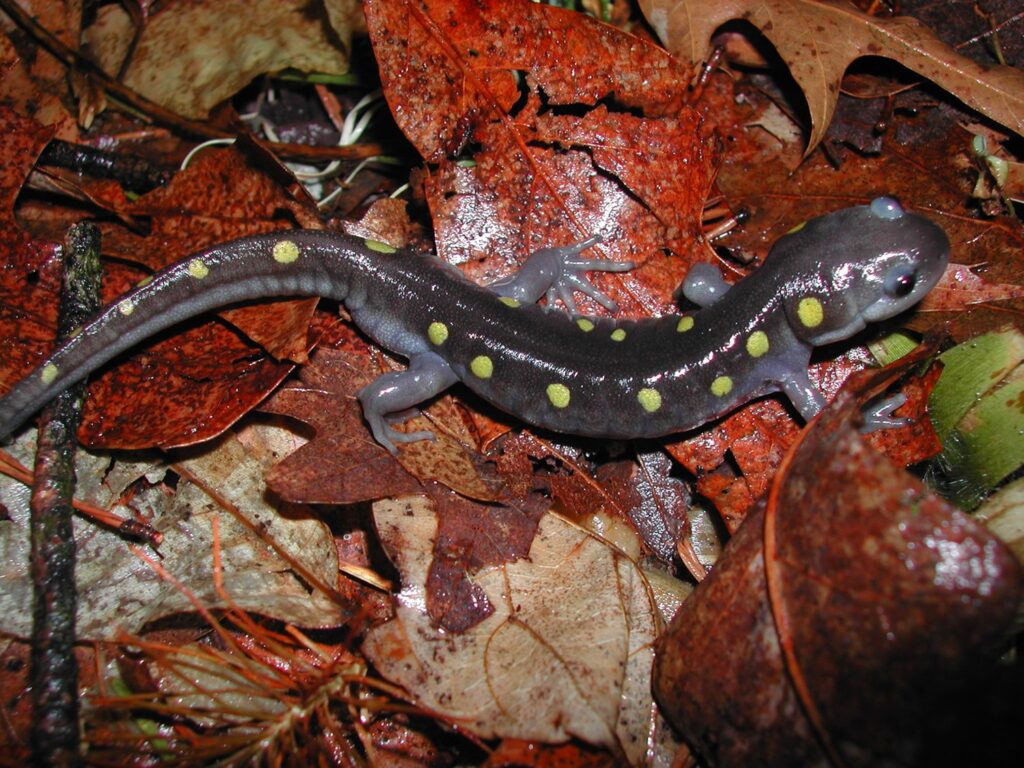
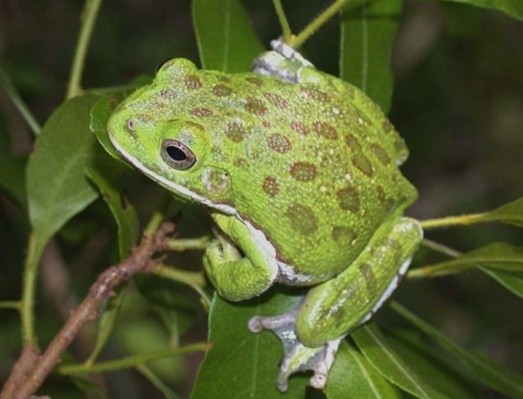
Amphibians like salamanders and frogs rely on these fish-free waters to safely lay eggs and develop larvae. Their life cycles are closely timed with seasonal rains, ensuring young have enough time to mature before the pools dry.
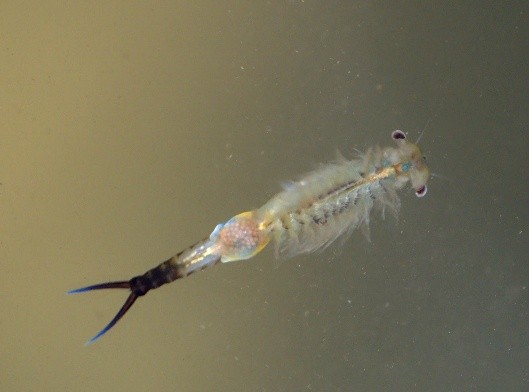
Other organisms, such as fairy shrimp, have adapted even further, laying drought-resistant eggs that can survive in dry soil for months or even years, waiting for the next wet season.
But this delicate timing is fragile. A single disrupted season, whether from climate change or development, can impact an entire generation.
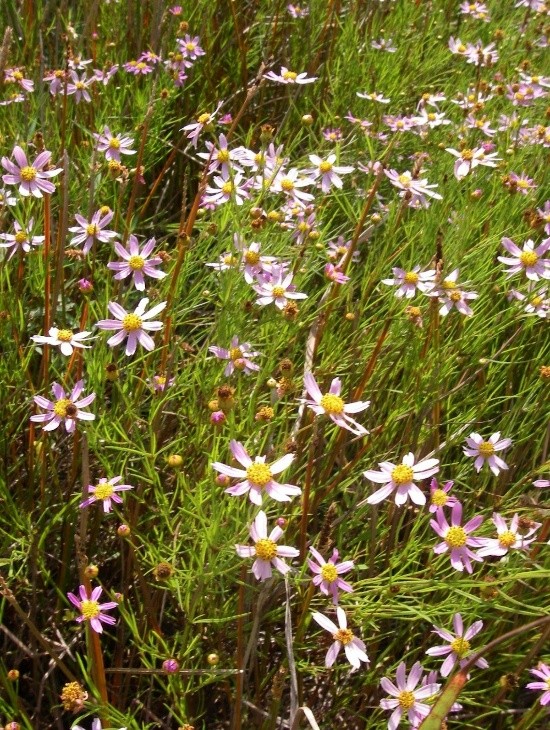
Habitat for Rare and Specialized Plants
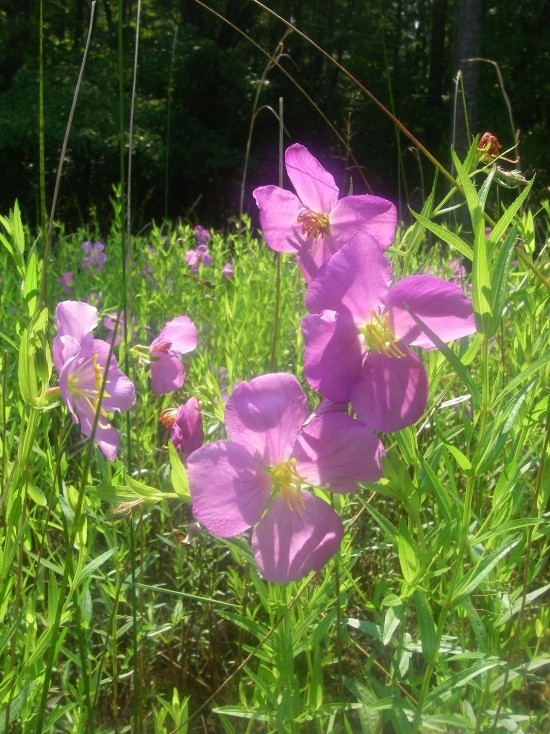
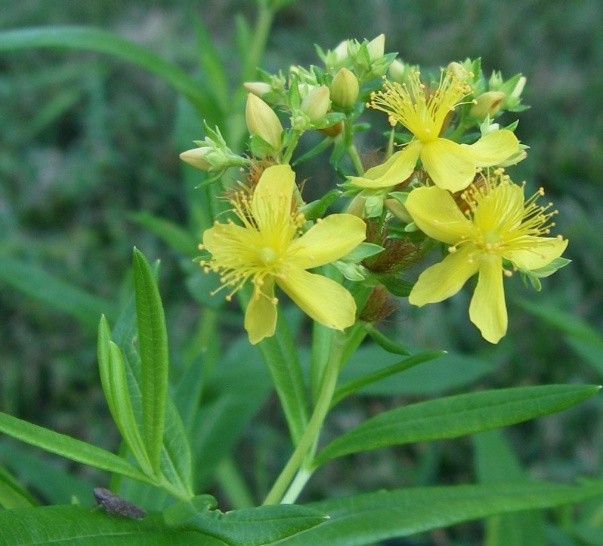
Vernal pools are just as important for plant life. Their cycle of flooding and drying creates conditions where only highly adapted species can thrive.
These plants benefit from reduced competition and fewer invasive species, allowing rare flora to establish and persist.
Like the animals that depend on these habitats, vernal pool plants are synchronized with seasonal rhythms. When those rhythms are disrupted, entire plant communities, and the ecosystems they support, are at risk.
Essential Ecological Functions
Despite their temporary appearance, vernal pools provide lasting environmental benefits.
They act as natural water filters, trapping sediment and pollutants before they reach streams and rivers. As water collects and slowly settles, surrounding vegetation helps remove excess nutrients and contaminants.
As the pools dry, they transition into groundwater recharge zones, allowing water to seep into the soil and replenish aquifers.
They also enrich the land itself. Organic matter left behind after drying nourishes insects, invertebrates, and small animals, fueling the broader food web.
In fragmented landscapes, vernal pools serve another vital role: connection. They act as stepping stones for wildlife, linking habitats and supporting genetic diversity across ecosystems.
Conclusion: Small Pools, Big Impact
Vernal pools may be temporary, but their impact is anything but. They support species found nowhere else, sustain unique plant communities, and contribute to the health of surrounding ecosystems in ways that are easy to overlook but impossible to replace.
Understanding what vernal pools are, and why they matter, is the first step toward protecting them.
In the next part, we’ll look at the growing threats these habitats face, the gaps in current protections, and what can be done to ensure they remain part of Delaware’s landscape for generations to come.
Want to learn more?
For More Information, visit:
- The Flora of Coastal Plain Pond Herbaceous Communities on the Delmarva Peninsula (PDF) – McAvoy & Bowman
- Habitats & Ecosystems – Delaware Naturally
- Flora of Delaware Online Database – DelFlora.org (A comprehensive resource for exploring, identifying, and understanding the native plant species found throughout Delaware.)
- Wetlands of Wonder: The Hidden World of Vernal Pools (YouTube) – DNREC
- The Importance of Vernal Pools – Delaware Nature Society
0 Comments