
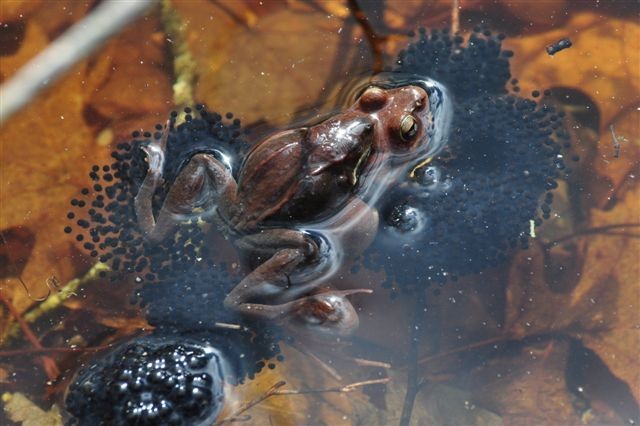
Vernal Pools: A Fragile Future for Seasonal Wetlands
Vernal pools may only appear for part of the year, but the threats they face are constant. Across Delaware, these small wetlands are increasingly vulnerable, often overlooked in planning decisions and largely unprotected by current laws.
In our previous post, Windows Into the Water Table, we explored what vernal pools are, how they form, and why they matter to the ecosystems around them.
Now, we take a deeper look at what’s putting these habitats at risk—and what it will take to protect them before they disappear.
Under Threat: What’s Putting Vernal Pools at Risk?
1. Development and Habitat Loss
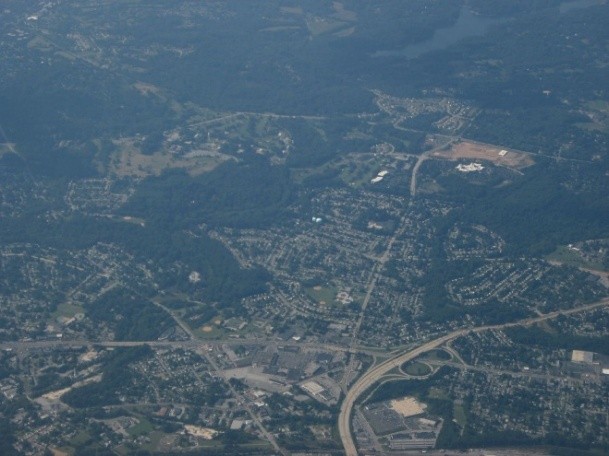
Construction is one of the biggest threats. Vernal pools are often filled or built over to make room for homes, roads, or agriculture.
This destroys not only the pools themselves but also the surrounding forests that amphibians depend on for most of their lives. Roads also create deadly barriers during seasonal migrations.
2. Pollution and Runoff
Runoff from lawns, farms, and roads carries fertilizers, pesticides, and salt into these pools.
Amphibians are especially vulnerable because their permeable skin absorbs pollutants directly from the water. Even small amounts of contamination can disrupt entire ecosystems.
3. Climate Change
Changing weather patterns are disrupting the delicate timing of vernal pools.
Some dry too quickly. Others fail to fill at all. Rising sea levels in coastal areas can also introduce saltwater into freshwater systems, making them unsuitable for many species.
4. Invasive Species and Human Encroachment
Habitat fragmentation invites invasive plants and predators.
Species like raccoons and feral cats prey on eggs and larvae, while invasive plants outcompete native vegetation. Artificial light and noise can also disrupt breeding behavior.
5. Hydrological Disruption
Changes to how water moves across the land—through drainage systems, soil compaction, or construction—can prevent pools from forming or holding water long enough for species to complete their life cycles.
Once disrupted, these natural systems are difficult to restore.
Legal Gaps: Why Aren’t These Vernal Pools Protected?
Despite their importance, most vernal pools in Delaware fall outside current wetland protections.
State regulations primarily cover tidal wetlands and large non-tidal systems, typically over 400 acres. Vernal pools—often less than an acre and seasonal—do not qualify.
This leaves them vulnerable to destruction without permits or review.
Other states are beginning to address this gap, proposing protections that include small pools, buffer zones, and mapping programs. Delaware has yet to fully adopt similar measures.
How We Can Protect Them
1. Preserve Surrounding Forests
Maintaining natural buffers around vernal pools is critical. Even 100 to 200 feet of undisturbed forest can support amphibian survival, while larger buffers provide even greater protection.
2. Identify and Document Pools
Many vernal pools go unnoticed. Observing seasonal water, amphibian activity, or egg masses in early spring can help identify them.
Documenting and mapping these locations is key to protecting them before development occurs.
3. Practice Responsible Land Stewardship
Since many pools exist on private land, landowners play a major role. Avoiding mowing, draining, or paving near pools helps preserve their natural function.
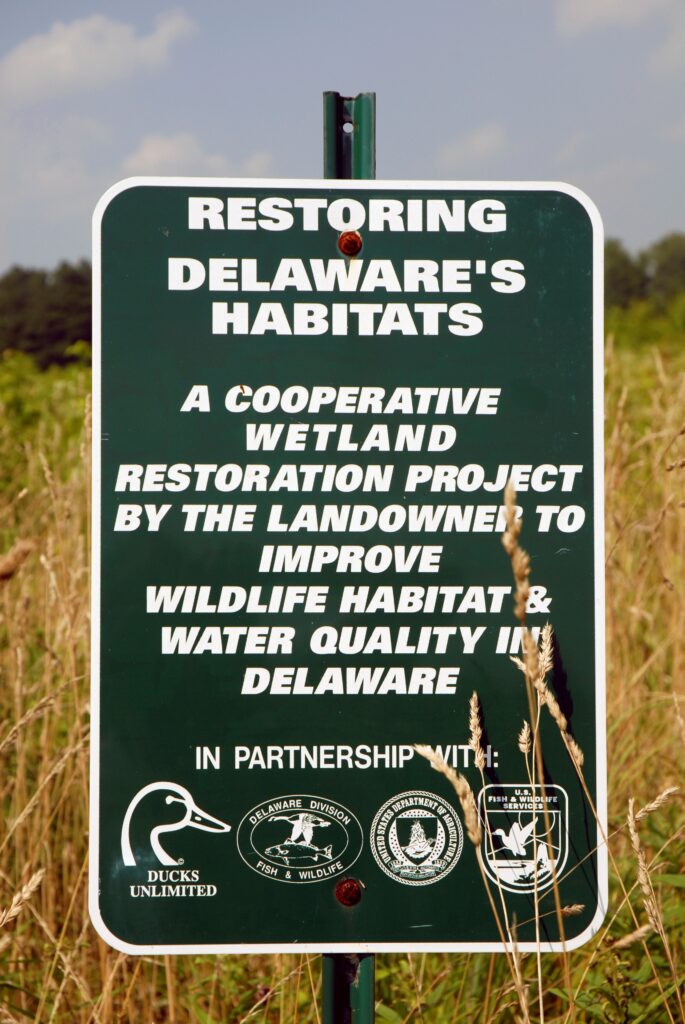
Conservation programs and easements can support long-term protection.
4. Restore Degraded Pools
Even damaged pools can recover. Simple actions like filling drainage ditches or planting native vegetation can help restore natural water cycles.
In some cases, allowing an area to remain undisturbed is enough for recovery.
5. Advocate and Educate
Raising awareness is one of the most powerful tools for conservation.
Engaging with local officials, supporting policy improvements, and sharing knowledge with others can help ensure these habitats are recognized and protected.
Conclusion: Temporary Waters, Lasting Impact
Vernal pools may be small and seasonal, but their role in Delaware’s ecosystem is profound. They support vulnerable species, maintain biodiversity, and contribute to the health of forests and waterways across the region.
Yet they remain easy to overlook—and easy to lose.
The good news is that protection is possible. Through awareness, stewardship, and stronger policy, these hidden habitats can continue to thrive.
Because for the right species, in the right season, a single pool still makes all the difference.
Want To Learn More About Vernal Pools?
Windows Into the Water Table: What Are Vernal Pools and Why They Matter – Delaware Naturally
The Flora of Coastal Plain Pond Herbaceous Communities on the Delmarva Peninsula (PDF) – McAvoy & Bowman
Habitats & Ecosystems – Delaware Naturally
Flora of Delaware Online Database – DelFlora.org (A comprehensive resource for exploring, identifying, and understanding the native plant species found throughout Delaware.)
Wetlands of Wonder: The Hidden World of Vernal Pools (YouTube) – DNREC
The Importance of Vernal Pools – Delaware Nature Society
Looking to do more than read?
For hands-on ways to get involved, check out:
DNREC – Wetlands Monitoring & Assessment Program
Learn about ongoing wetland protection efforts and how you can support monitoring and restoration in your area.
UD Cooperative Extension – Sustainable Landscapes
Get practical tips for managing your land to benefit amphibians, pollinators, and native plants.
Mt. Cuba Center – Native Plant Finder
Choose the right native plants to enhance habitat near vernal pools and create a healthier backyard ecosystem.
The Nature Conservancy – Delaware Chapter
Discover volunteer opportunities, local events, and conservation programs you can be part of.
0 Comments