
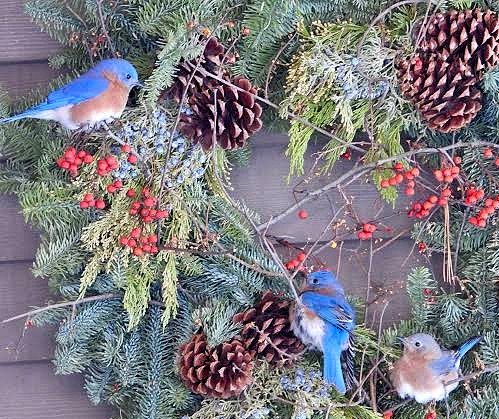
Deck the halls without harming Delaware’s natural habitats! Discover how invasive holiday decorations can threaten local ecosystems and explore beautiful native greenery that brings festive charm to your home while supporting wildlife year-round. Read the blog post Here.
The Bittersweet Side of Holiday Greenery
Every December, wreaths, evergreen swags, and berry-filled centerpieces pop up on front doors and shop windows across Delaware. Bringing pieces of the winter landscape into seasonal displays is a familiar tradition, yet it is easy to overlook where those vines and berries actually come from. Quite a bit of the popular greenery sold in holiday markets or snipped from roadsides comes from non-native invasive plants, and when those displays hang outdoors or get tossed aside in January, their seeds and stems can take root in nearby yards and woods.
The Holiday Hitchhikers in Your Wreath
A few invasive plants often show up in seasonal decor across the Mid-Atlantic:
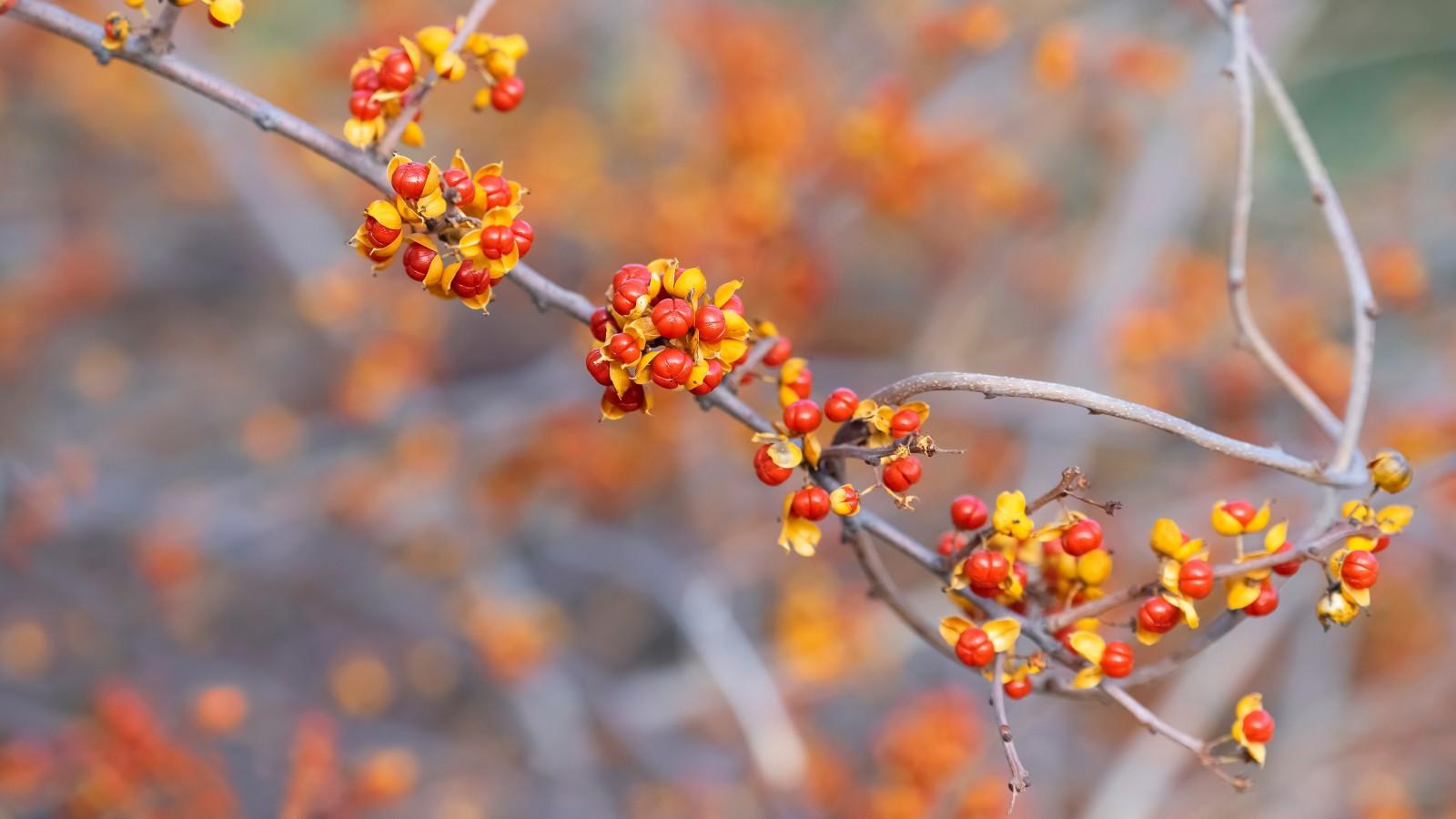
- Oriental bittersweet (Celastrus orbiculatus): Prized for its clusters of red and yellow berries, this aggressive woody vine wraps around trunks and climbs into tree canopies, girdling trees, blocking sunlight, and adding weight that increases the risk of limb breakage during storms.
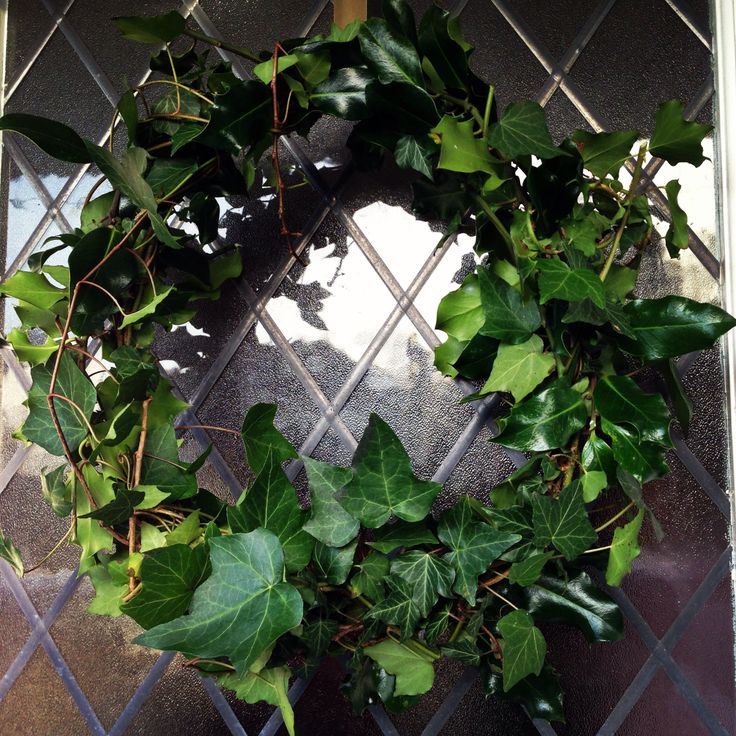
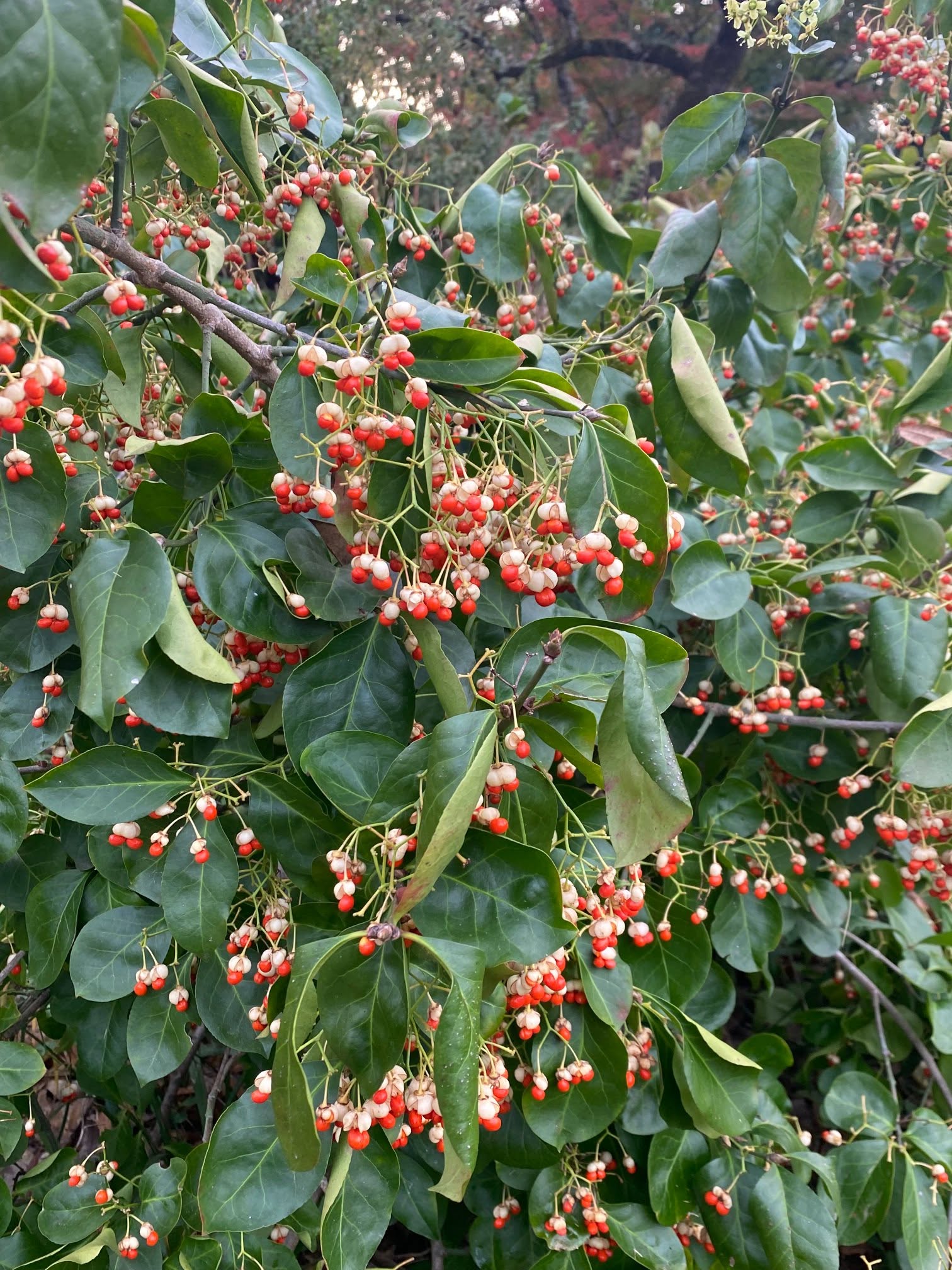
- English ivy (Hedera helix) and wintercreeper (Euonymus fortunei): Often used as trailing greenery, both vines carpet forest floors and climb into tree canopies, blocking sunlight from native wildflowers and weighing down branches.
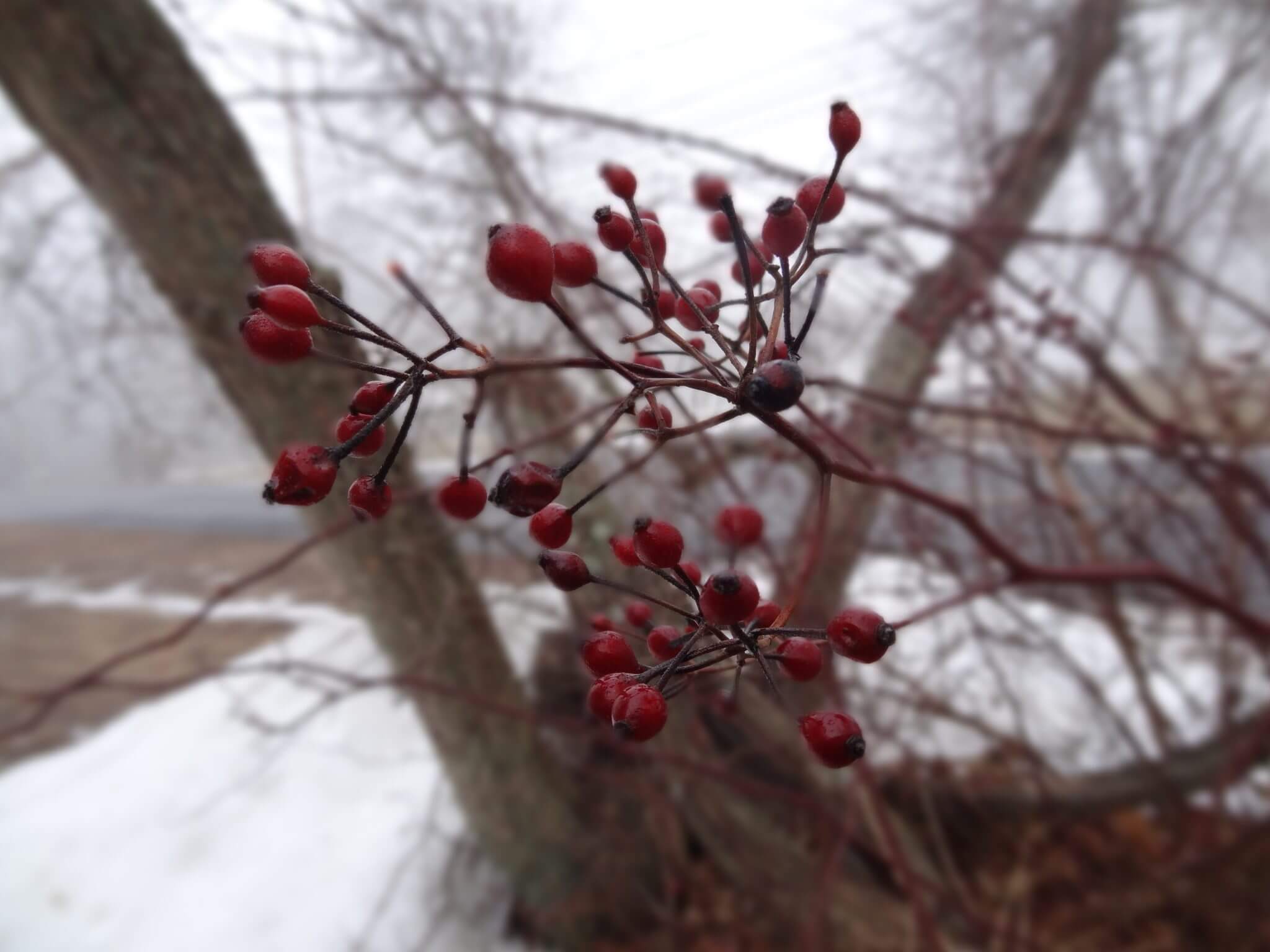
- Multiflora rose (Rosa multiflora): An aggressive, thorny shrub widespread across Delaware that forms dense thickets in fields, forest edges, and woodlands. Its clusters of red rose hips persist into winter and are eaten and spread by birds, while arching canes can root where they touch the soil. A single plant can produce up to 500,000 seeds annually, with some seeds remaining viable in the soil for up to 20 years.
“Wait: Doesn’t Cutting Invasives Get Them Out of the Wild?”
It is a reasonable question. If a vine is harming the woods, why not harvest it for your front door?
In practice, using invasive plants in holiday decor usually backfires:
- You become a seed-dispersal vector: Cutting bittersweet or multiflora rose in late fall means handling branches loaded with ripe fruit and hips. Seeds and berries drop along driveways, trails, and flowerbeds, and birds feeding on outdoor wreaths scatter seeds across the neighborhood.
- Compost piles don’t kill them: When the holidays end, tossing old wreaths into the woods or an unheated backyard compost pile gives seeds and woody stems a fresh start in spring.
- Buying them fuels demand: Purchasing invasive vine wreaths signals to suppliers that there is still a market for collecting and transporting problem species.
If you are already clearing invasive vines from your own property, keep those clippings strictly indoors, handle berry-laden branches over a tarp or bag so seeds do not scatter, and seal them in a trash bag for landfill disposal when the season ends. Never compost them, and never toss them into the woods.
Better Yet: Native Greenery That Earns Its Keep All Year
The simplest way to keep invasives out of your holiday decor is to decorate with native plants. Better yet, planting them in your own yard gives you a renewable supply of winter cuttings while feeding wildlife, building healthy soil, and sheltering insects through every season.
When harvesting from your own yard or private land with permission, follow the general one-third rule: never remove more than one-third of a plant’s branches. Harvest sparingly from healthy, established plants, taking only what you need and leaving most berries, seed heads, and winter shelter available for wildlife.
1. Native Hollies (Ilex Species)
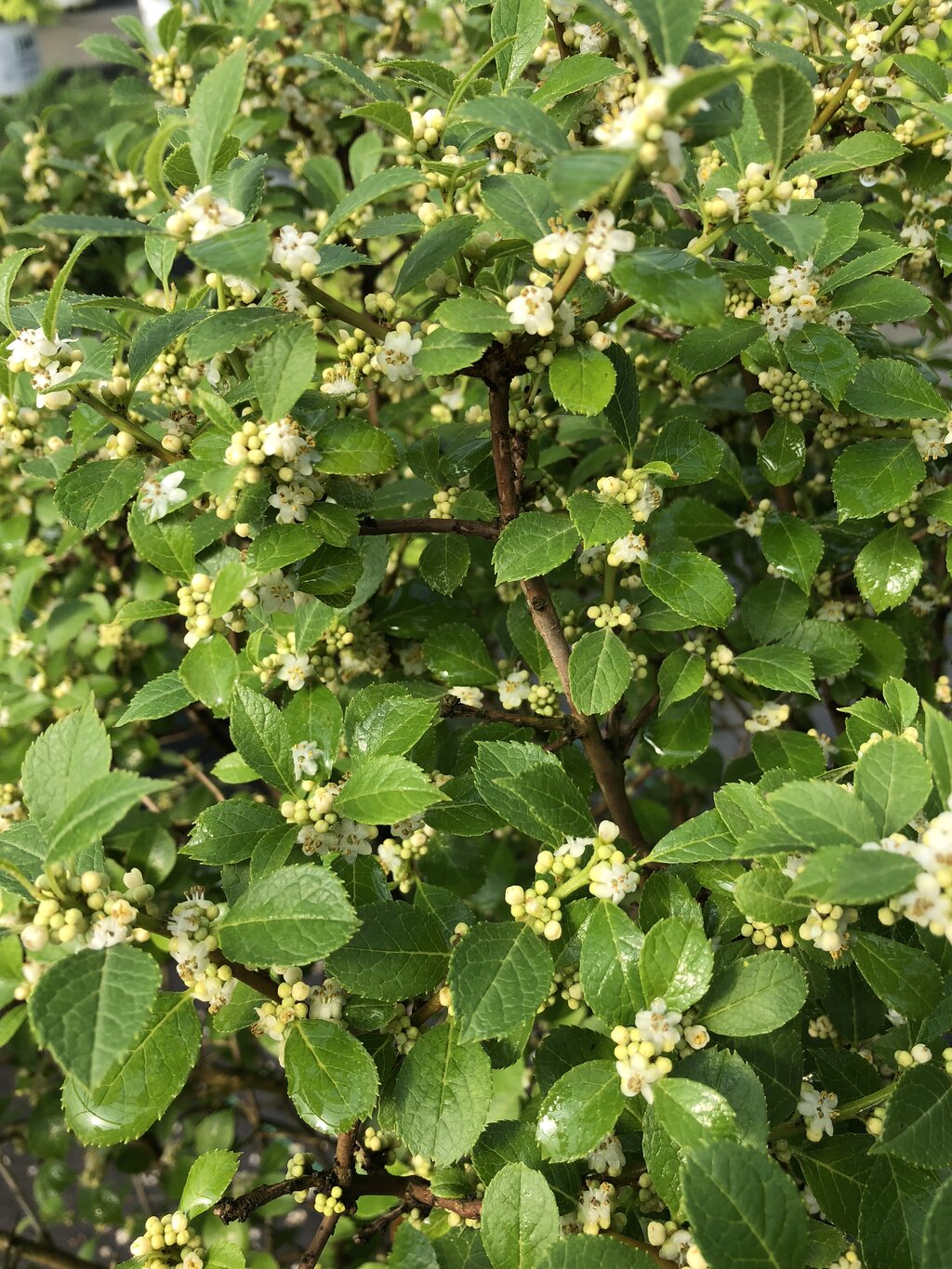
Native hollies provide winter shelter and food for birds. North American hollies are dioecious, meaning male and female flowers are borne on separate plants. Only female plants produce berries following successful pollination. You can choose whichever species fits your yard conditions best:
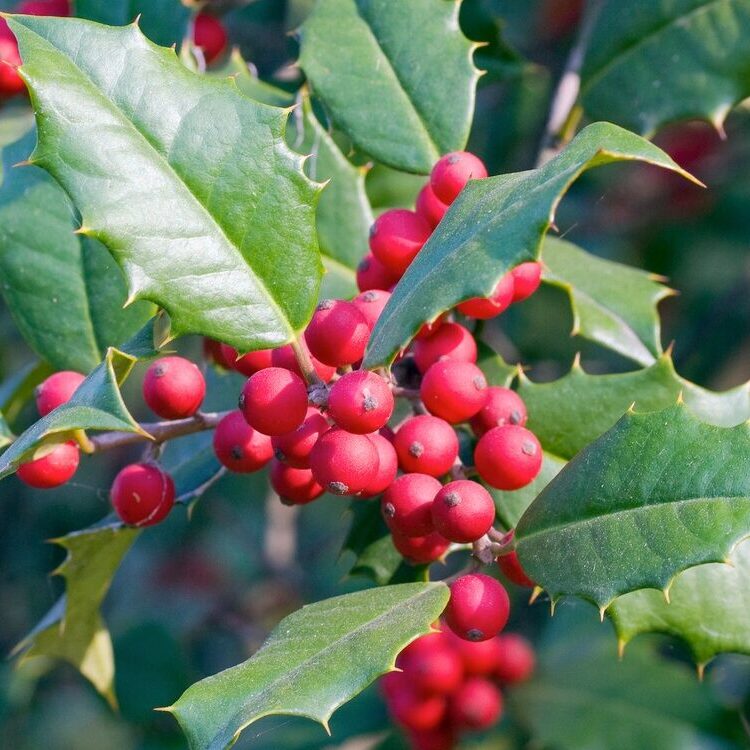
American holly (Ilex opaca): Delaware’s state tree offers dense, evergreen canopy cover that shields songbirds from freezing winds and predators, while its berries feed birds late into winter. Indoors, a few sprigs of its classic spiny leaves and red berries bring unmistakable winter color to a vase or mantel.
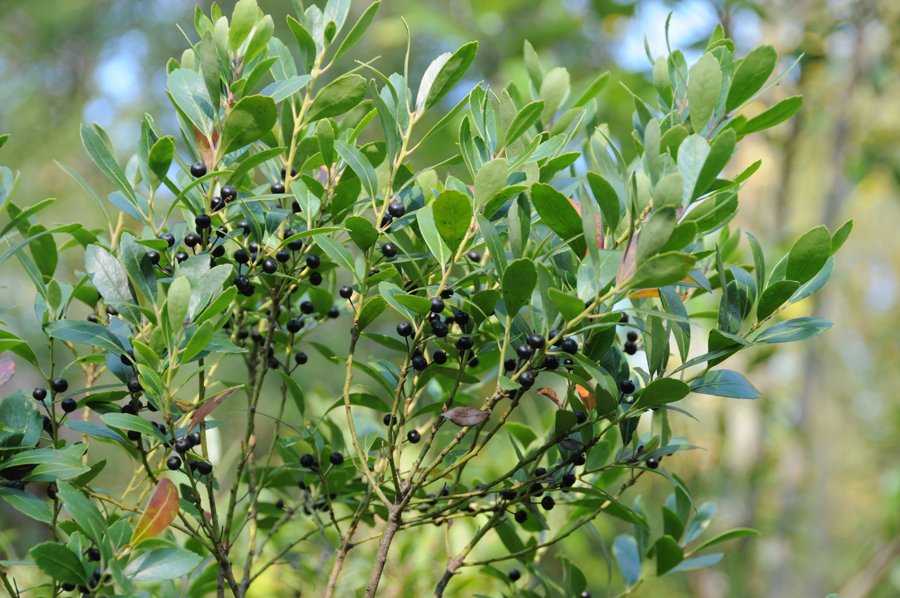
Inkberry (Ilex glabra): Adapted to sandy and acidic coastal soils, this thornless evergreen shrub provides year-round cover for birds and produces dark berries eaten by wildlife when other food runs scarce. Its sleek, dark green foliage works cleanly as a long-lasting filler in wreaths and centerpieces.
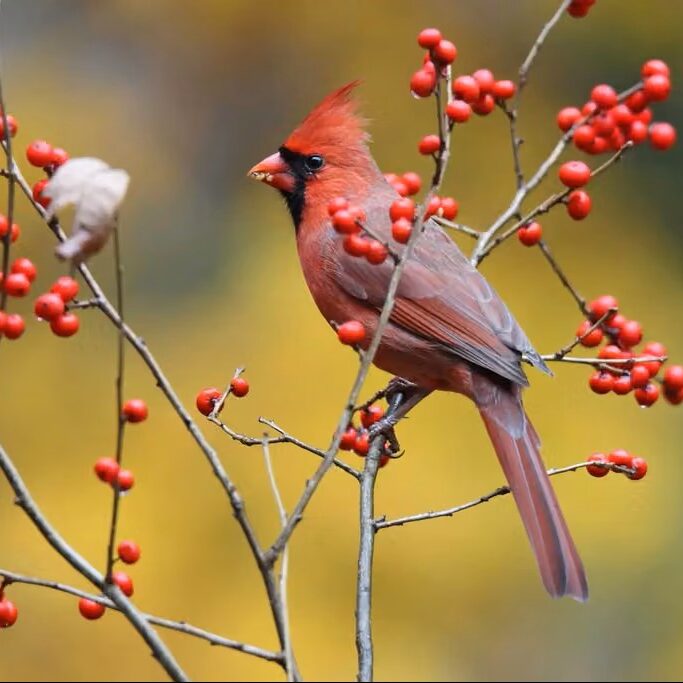
Winterberry (Ilex verticillata): This deciduous holly thrives in damp soils and produces heavy crops of bright red berries that soften after repeated freezes, becoming a vital midwinter food source for robins, cedar waxwings, and bluebirds. To ensure fruit production, plant a male winterberry nearby that blooms at the same time as your female shrubs Once its leaves drop, bare stems loaded with berries make bold vertical accents in arrangements.
2. Native Conifers
Native evergreens do heavy lifting in the landscape by breaking winter winds, sheltering roosting birds, and hosting specialized moth and butterfly caterpillars:
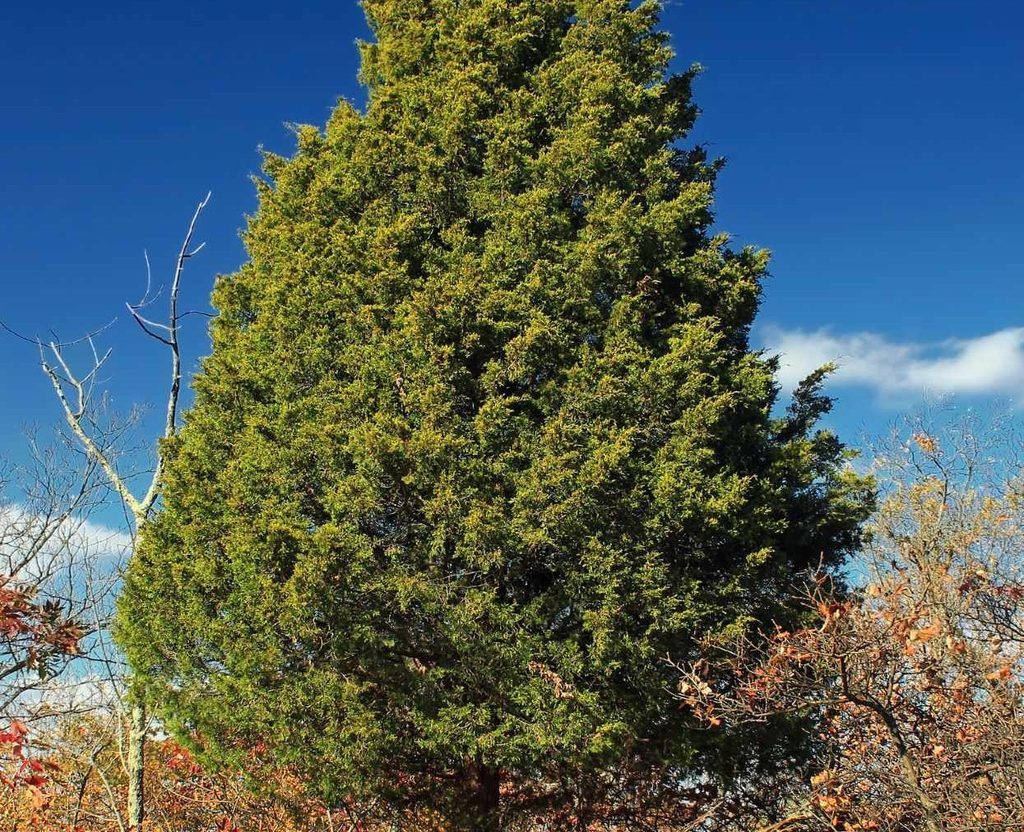
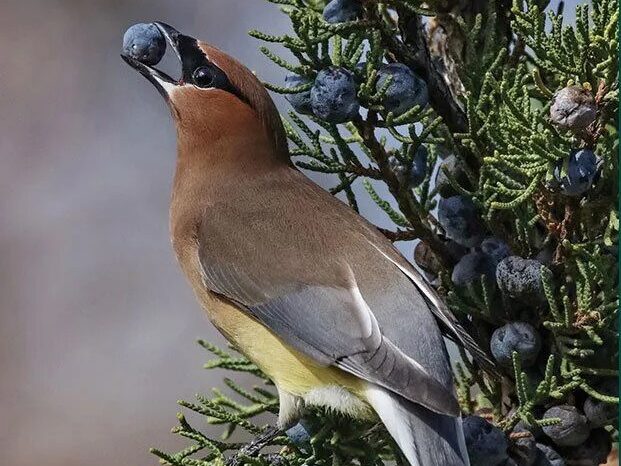
Eastern red cedar (Juniperus virginiana): A tough pioneer tree that thrives in dry, sunny spots, Eastern red cedar produces waxy blue cones eaten by more than 50 bird species and serves as a host plant for the juniper hairstreak butterfly. Clippings bring feathery texture, dusty-blue berries, and a crisp woodsy scent indoors.
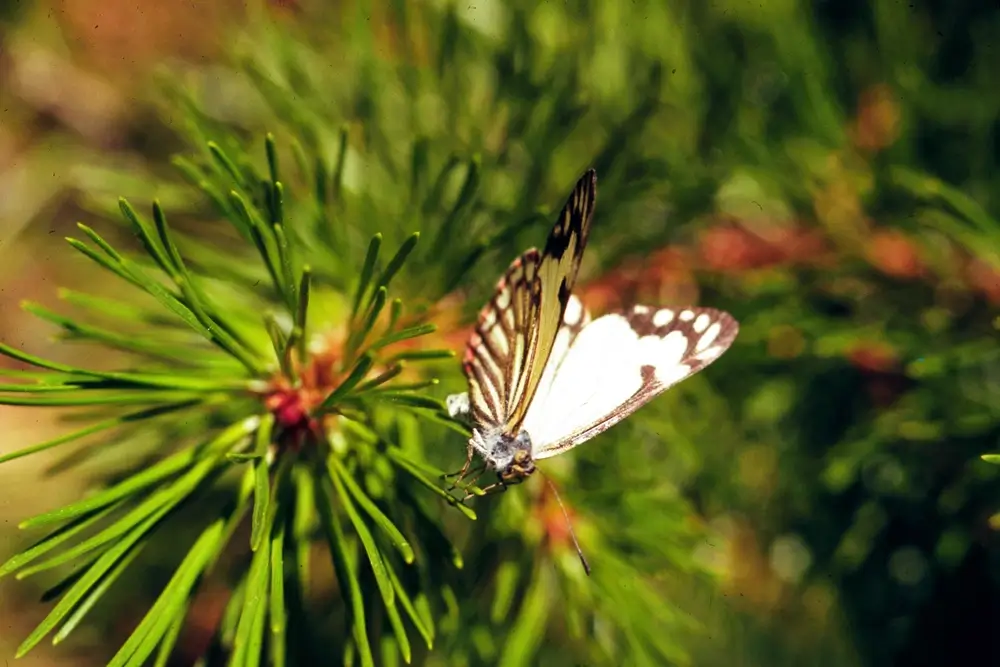
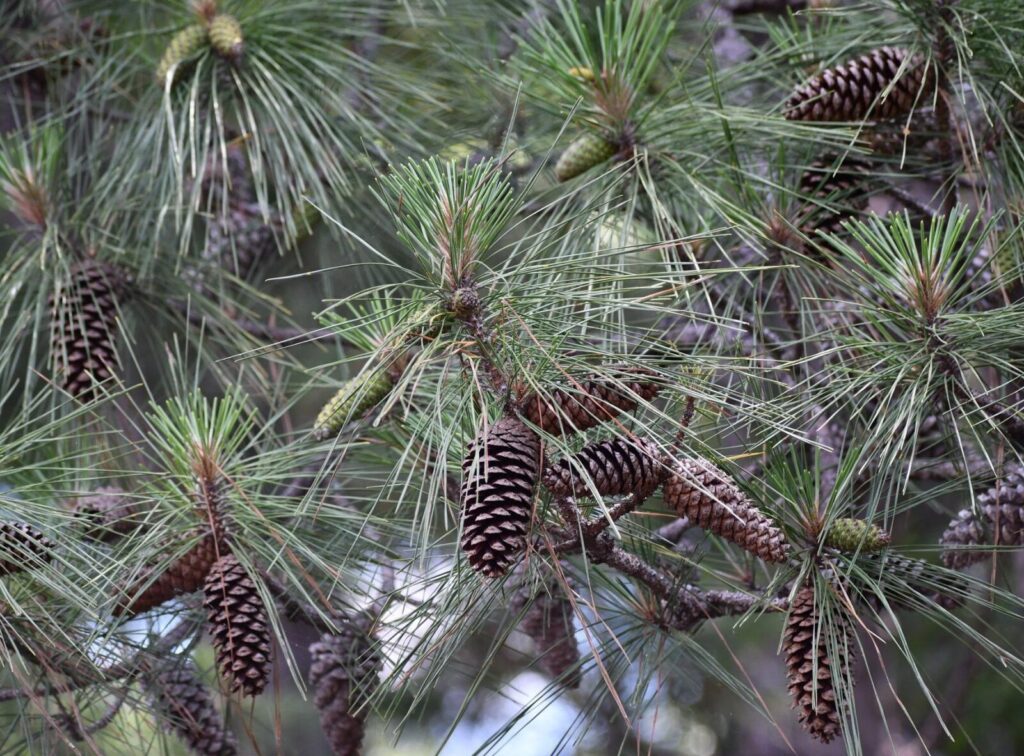
Eastern white pine (Pinus strobus) or loblolly pine (Pinus taeda): Both native pines support dozens of caterpillar species that feed breeding songbirds in spring, while dropping needle litter that builds rich, acidic forest soil and reduces runoff. Choose Eastern white pine for soft, sweeping needles or loblolly pine for longer needles and classic cones in swags and garlands.
3. Sweetbay Magnolia (Magnolia virginiana)
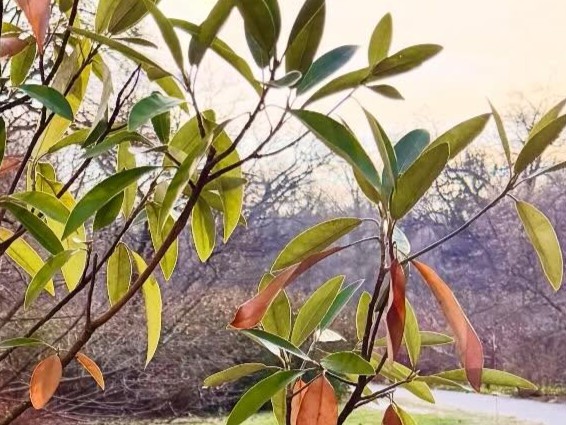
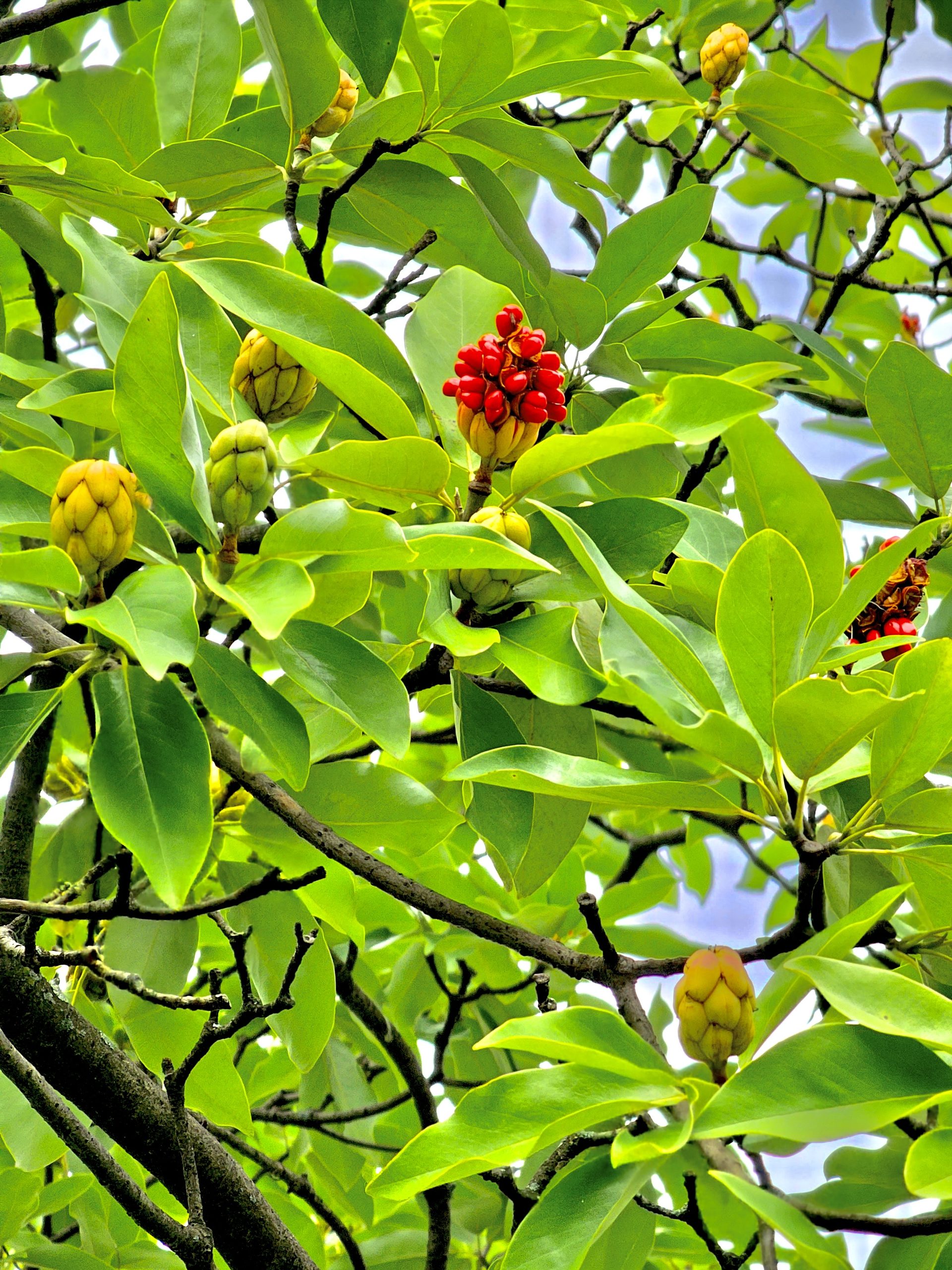
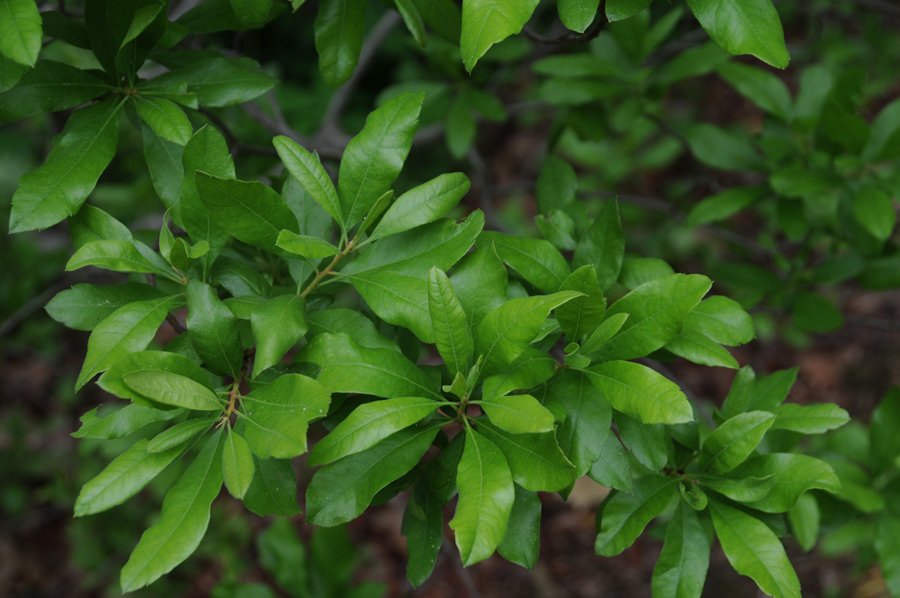
Adapted to moist woods and wetland edges across Delaware, sweetbay magnolia supports local ecosystems in multiple ways. Its lemon-scented cream blossoms are pollinated by native beetles in late spring, its red seeds feed migrating songbirds in fall, and its leaves host caterpillars of the sweetbay silkmoth and eastern tiger swallowtail. In milder parts of Delaware, sweetbay magnolia may retain some foliage into winter. Where leaves remain, their glossy green surfaces and silvery-white undersides add beautiful contrast to seasonal arrangements.
4. Northern Bayberry (Morella pensylvanica)
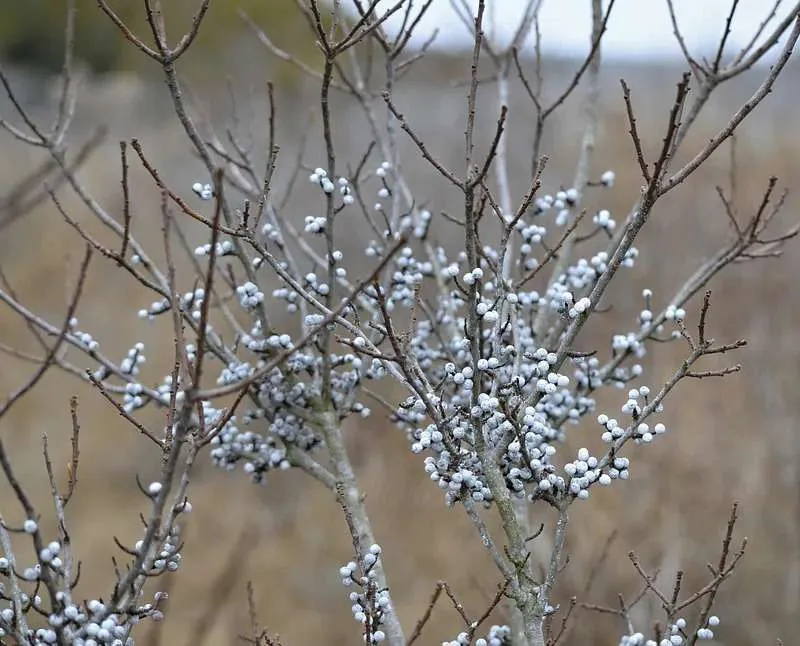
Northern bayberry is a coastal workhorse that improves poor, sandy, or salt-sprayed soils. Specialized bacteria living in nodules on its roots convert atmospheric nitrogen into forms the plant can use, a process called nitrogen fixation that helps bayberry thrive in nutrient-poor soils and contributes nitrogen to the surrounding ecosystem. Its dense branching shelters nesting birds, while high-fat berries fuel overwintering yellow-rumped warblers. Female shrubs produce these waxy berries when pollinated by a nearby male plant. A few cut branches add clusters of pale, silver-gray berries and a clean, spicy fragrance to winter arrangements.
5. Native Perennials: Coneflower and Mountain Mint
Leaving perennial stalks standing through winter turns your flower beds into an overwintering refuge. Hollow stems shelter native solitary bees, while seed heads feed goldfinches and sparrows through cold months:
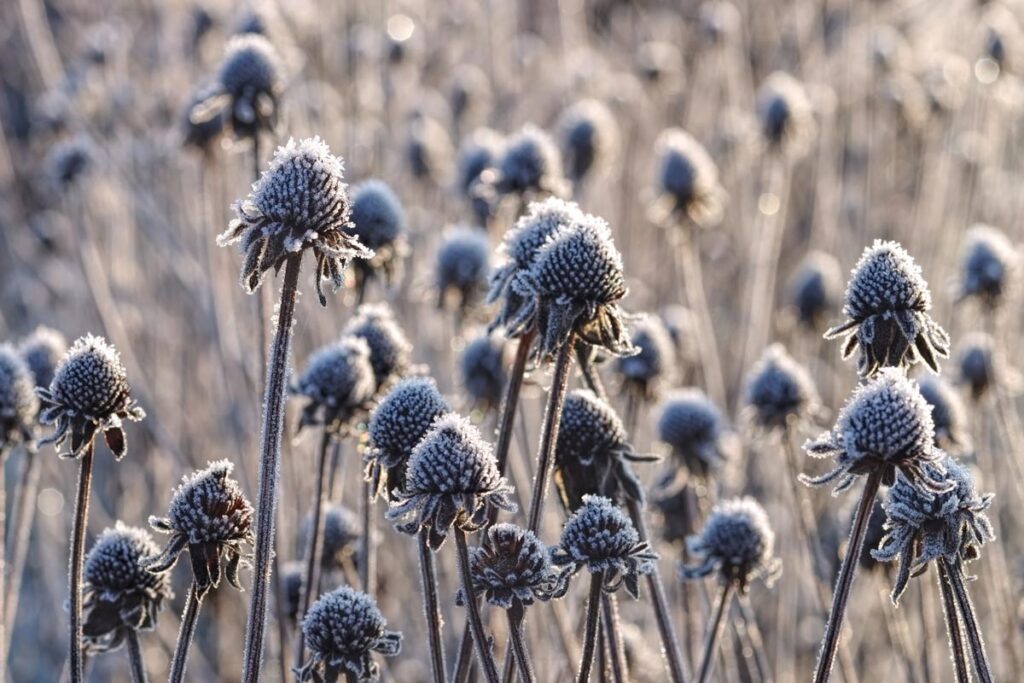
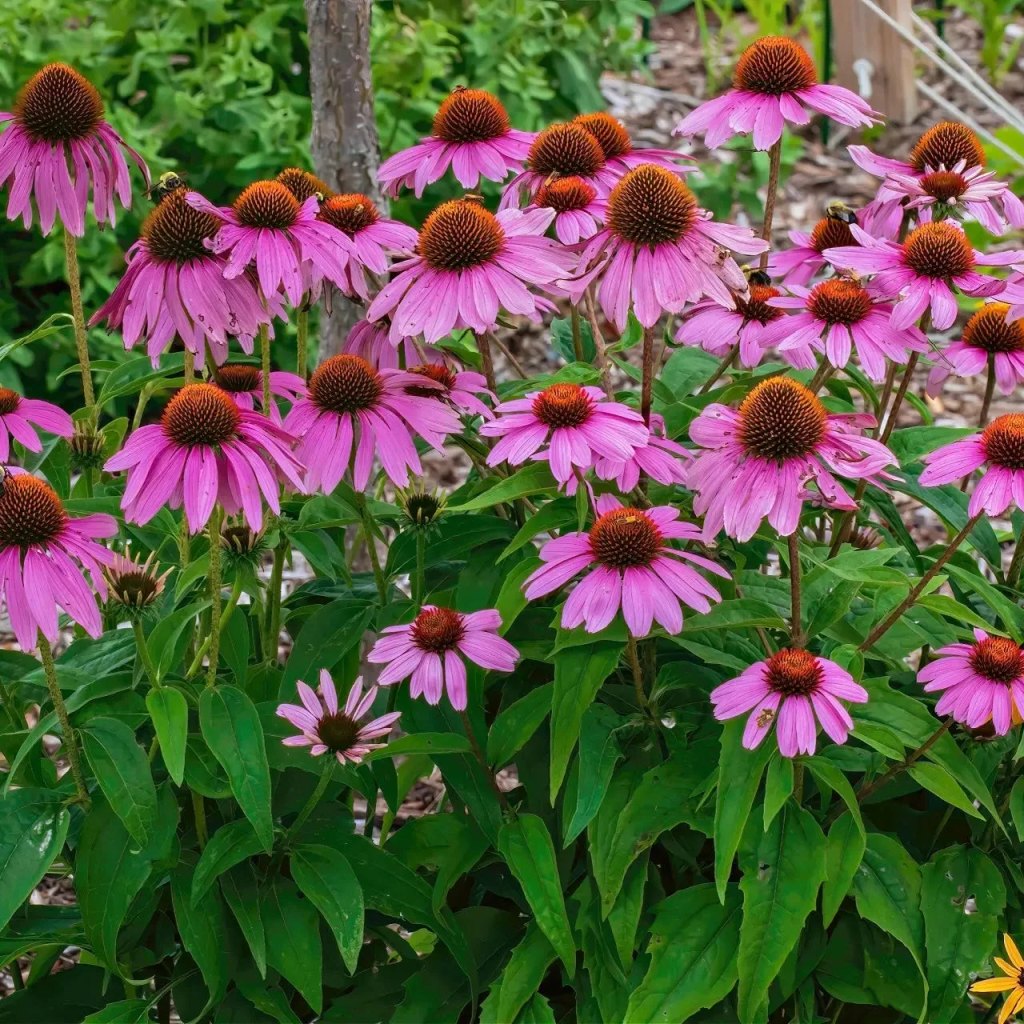
Purple coneflower (Echinacea purpurea): A valuable eastern North American native widely grown in Delaware gardens, though not generally considered indigenous to the state. Beyond feeding native bees and butterflies in summer, purple coneflower develops a dense, spreading fibrous root system that helps stabilize topsoil and reduce erosion. Its sturdy, dark spent seed cones add sharp silhouette and contrast to dried arrangements when selectively harvested.
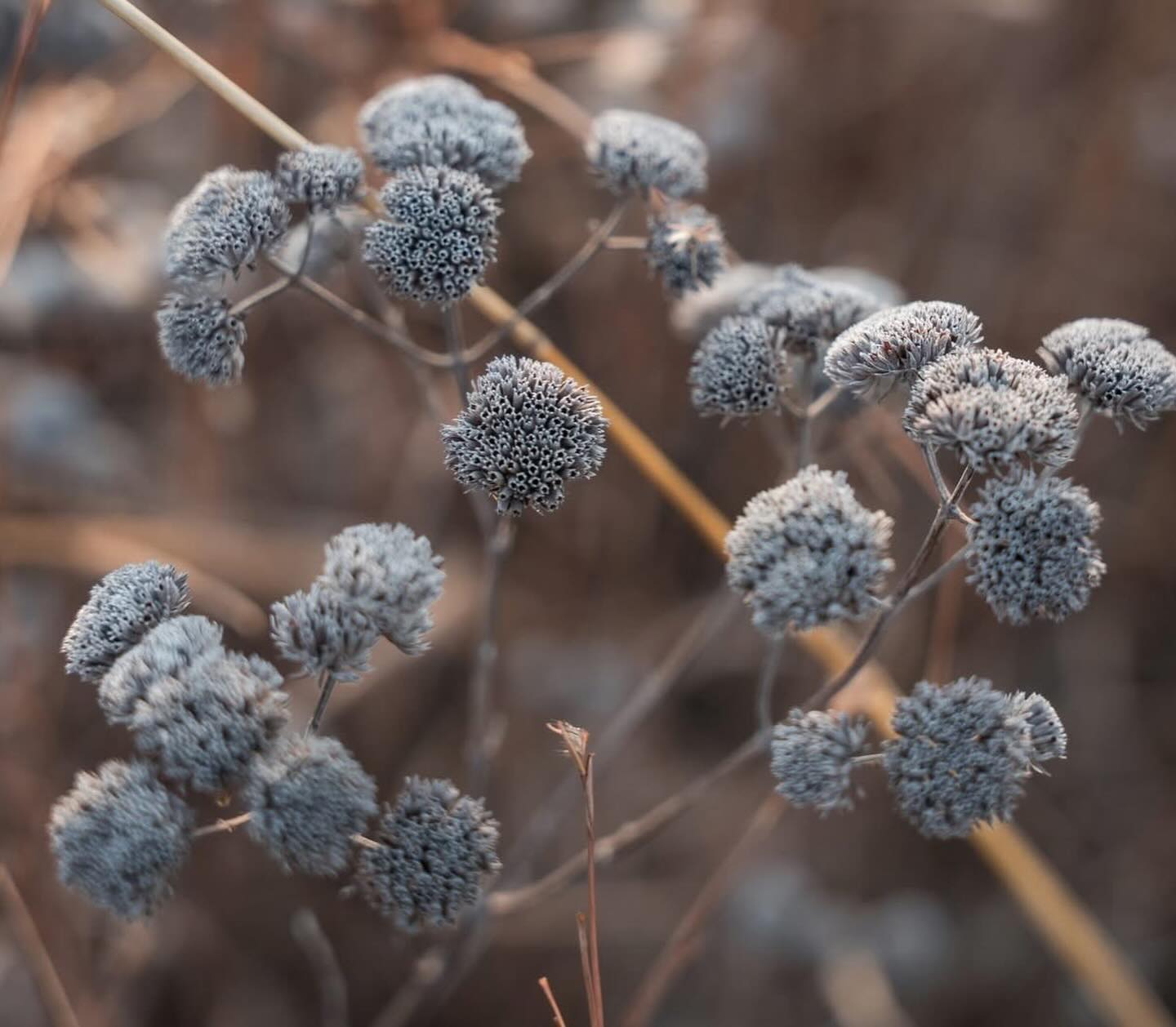
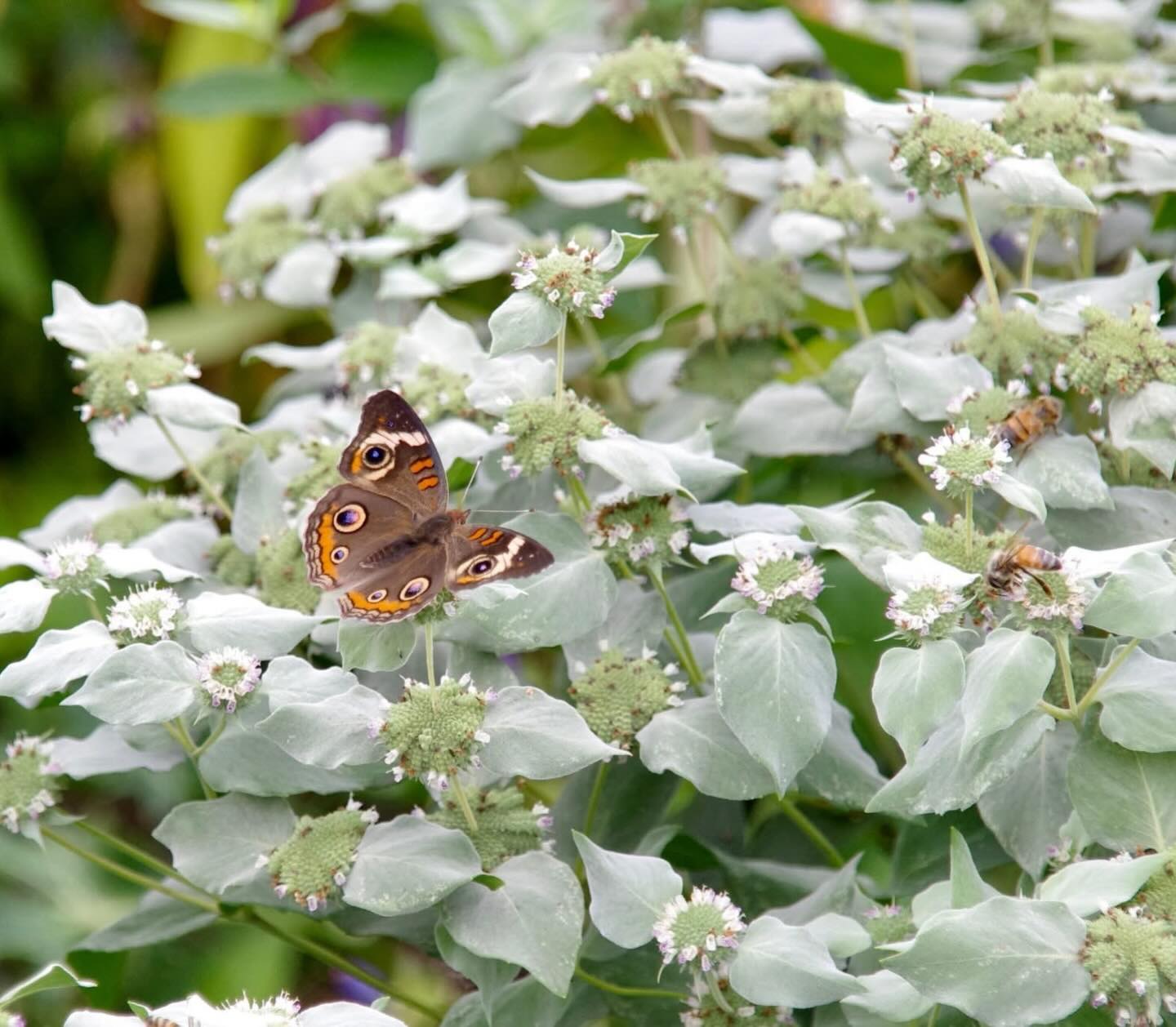
Mountain mint (Pycnanthemum species): One of the highest-value pollinator plants you can grow, mountain mint draws dozens of native bee, wasp, and butterfly species during summer bloom. In winter, its dried, silvery-bronze seed clusters bring subtle texture and a faint minty aroma to indoor bouquets.
6. Native Bunchgrasses: Little Bluestem (Schizachyrium scoparium)
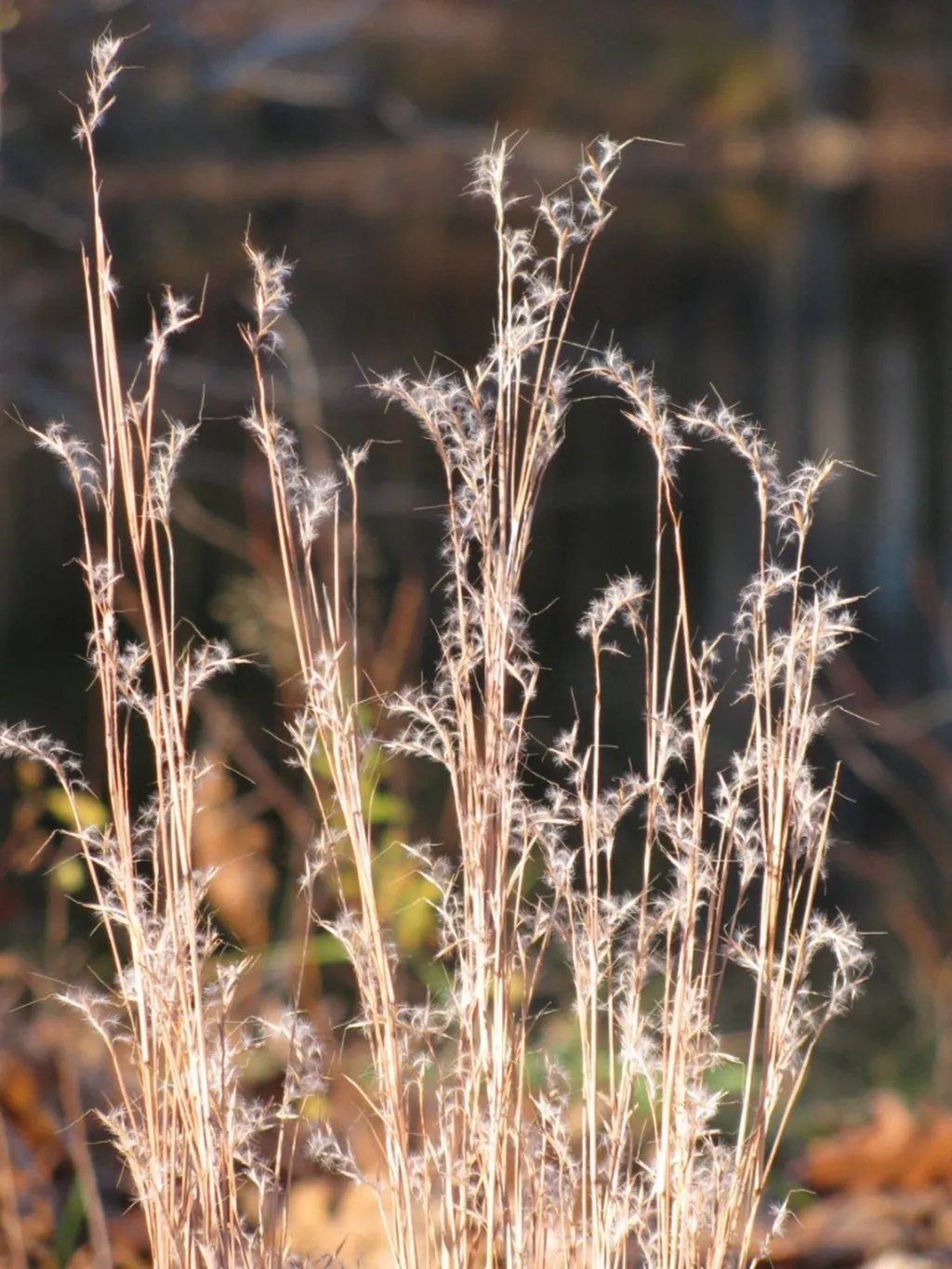
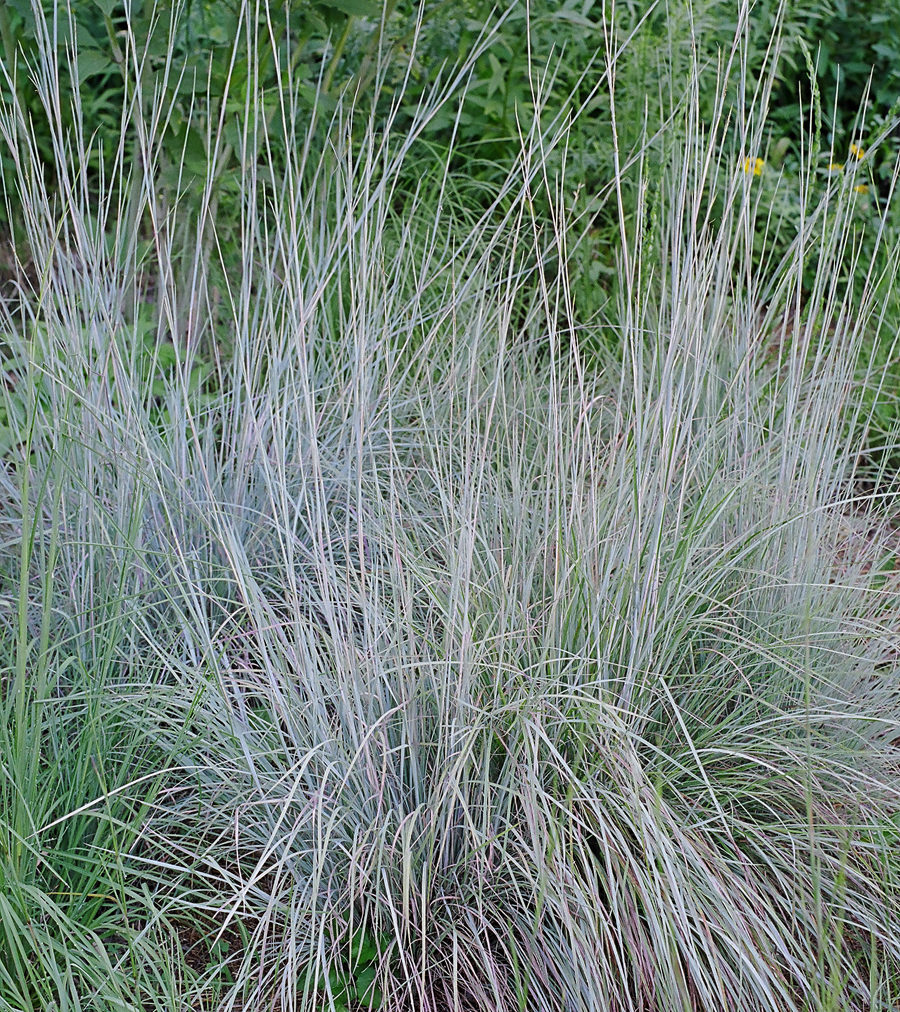
Beneath the soil surface, little bluestem helps protect and restore the landscape. Its dense, deep root system locks soil in place against winter erosion, opens channels for rainwater infiltration, and helps filter stormwater runoff. Above ground, its upright clumps provide dry winter shelter for ground-feeding birds and beneficial insects. Snipping a handful of its warm copper stems and fluffy seed plumes softens heavy evergreen boughs with natural movement.
Bring the Season Home, and Leave the Woods Stronger
Holiday decorating does not have to come at the expense of Delaware’s forests. By choosing locally grown native greenery, harvesting sparingly, and leaving plenty of berries and seed heads for wildlife, we can enjoy seasonal traditions while supporting healthier landscapes long after the decorations come down.
Want to learn more about Delaware’s native flora and how to support wildlife in the First State? Follow Delaware Naturally on social media and subscribe to our monthly newsletter for seasonal gardening tips, native plant spotlights, and upcoming conservation events across the state.
Learn More
The Holiday Hitchhikers in Your Wreath:
- Mass.gov: Avoid Decorating with Invasive Plants
- Rutgers New Jersey Agricultural Experiment Station: November Invasive Species of the Month: Round-Leaved Bittersweet
- University of Maine Cooperative Extension: Wreaths and Garlands: Check Before You Buy
Cutting, Composting, and Disposal:
- Oklahoma State University Extension: A Guide to Selecting, Harvesting and Preserving Woody Ornamental Cuts
- University of Delaware Cooperative Extension: Yard Waste and Composting
Native Plants for Winter Decor:
- NC State Extension Gardener Plant Toolbox: Common Winterberry (Ilex verticillata)
- USDA Natural Resources Conservation Service: Eastern Red Cedar (Juniperus virginiana) Plant Guide
- USDA Forest Service Fire Effects Information System: Northern Bayberry (Morella pensylvanica)
- Mt. Cuba Center: Common Bayberry
- Pennsylvania Enflowered: Morella pensylvanica
- USDA Natural Resources Conservation Service: Purple Coneflower Plant Materials
Year-Round Benefits:
- National Wildlife Federation: Keystone Native Plants: Eastern Temperate Forests (Ecoregion 8)
- Delaware Naturally: Food Deserts or Food Hubs: Why Delaware’s Songbirds Need Keystone Plants
- Frankia: Nitrogen-Fixing Bacteria
- Delaware Naturally: Leave the Leaves: An Environmentally Friendly Fall Clean-Up


0 Comments