
Written by Mike Groome
Healthy Ecosystems and Natural Balance
Healthy ecosystems rely on checks and balances among all species, plant and animal alike.
Foxes prey on smaller animals like mice, squirrels, snakes, and amphibians. In turn, amphibians such as frogs consume insects, worms, and even small fish. These interactions occur across every ecosystem and explain how energy moves through the food web. They are also what allow ecosystems to remain resilient, genetically diverse, and functional over time.
Loss of Predators and Deer Imbalance
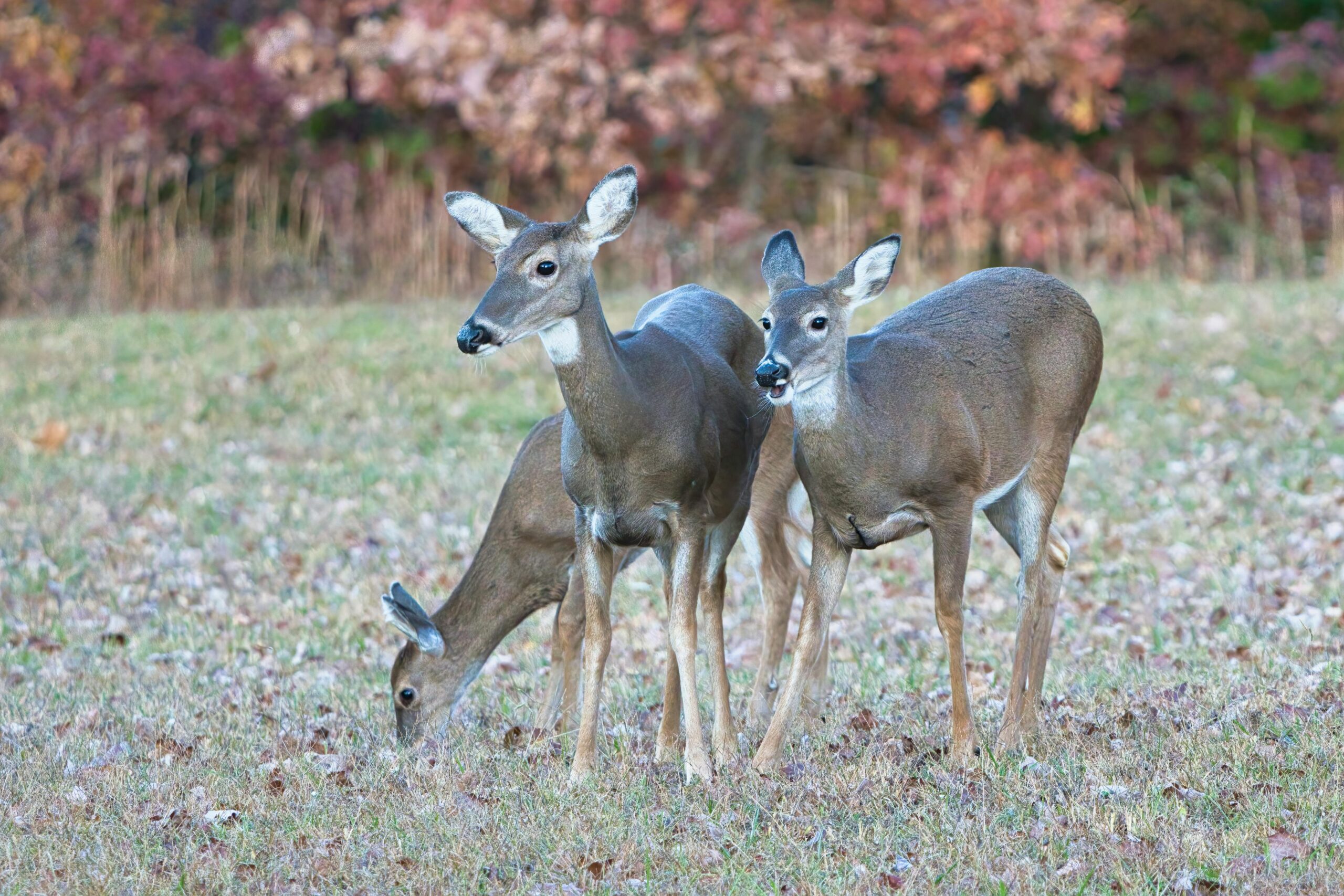
When a species is lost, especially a keystone species, ecosystems begin to unravel. We are seeing this clearly with white-tailed deer (Odocoileus virginianus), not only in Delaware but across much of the country.
Historically, wolves and other large predators kept deer populations in check at sustainable levels. In the absence of these predators, the only remaining controls on deer populations are vehicles and hunters.
Current deer populations across Delaware often exceed 100 to 150 individuals per square mile. Ecologically sustainable levels are closer to 10 to 15 per square mile, meaning in many places, deer populations are often ten to fifteen times higher than what our forests can sustain.
Why Deer Overpopulation Matters to Native Plants
Why does deer overpopulation matter, and what does it mean for ecosystems?
Deer preferentially browse native plants. In forest ecosystems, this browsing pressure prevents regeneration by consuming seedlings and young plants faster than they can recover. When populations exceed an ecosystem’s carrying capacity, native plant communities collapse.
This matters because native plants form the foundation of terrestrial food webs. Roughly 90 percent of insect species rely on specific native plant species or plant families to reproduce. When native plants disappear, the insects that depend on them disappear as well.
North America is home to roughly 14,000 species of butterflies and moths, many of which are highly specialized, which means:
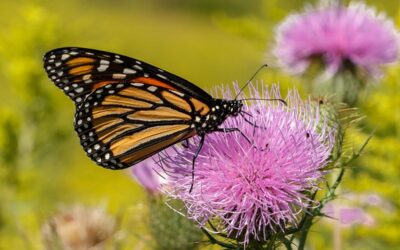
No milkweed (Asclepias spp.) means no monarch butterflies (Danaus plexippus).
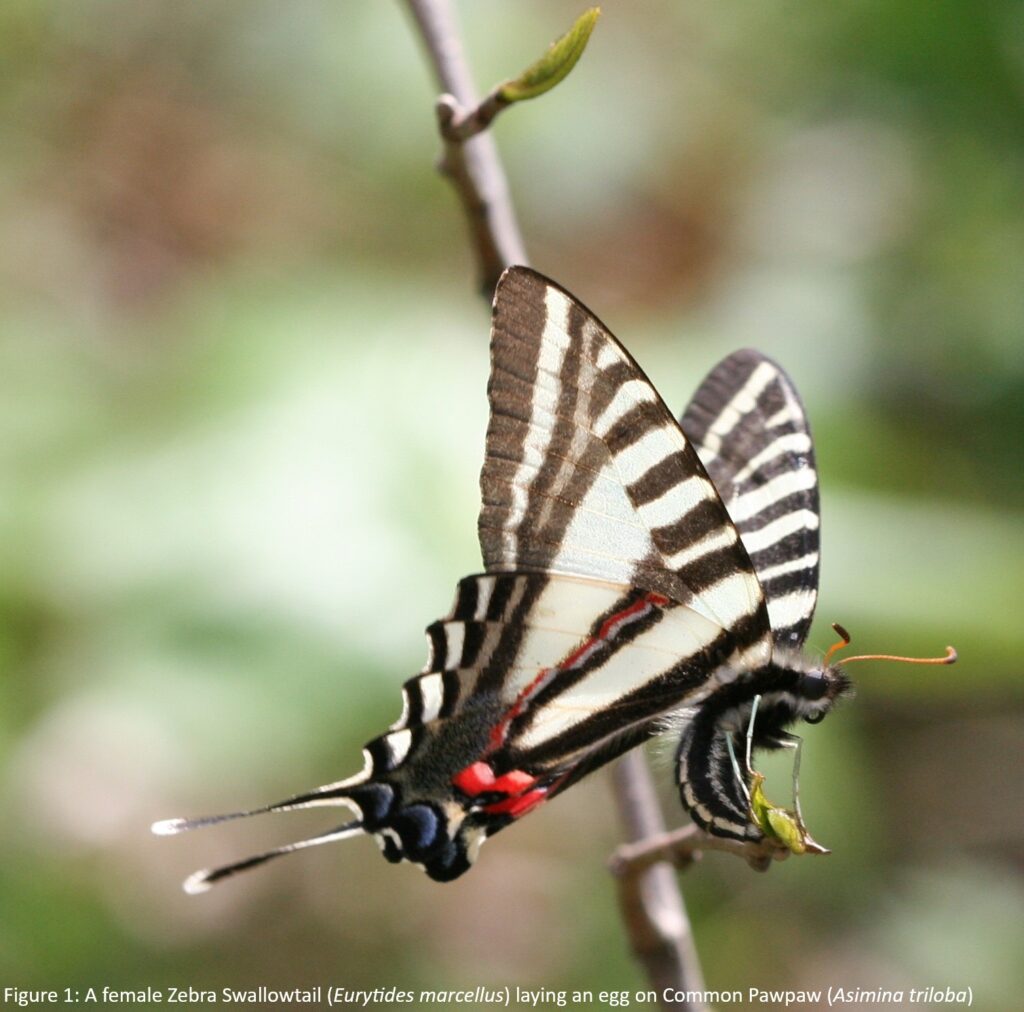
No pawpaw (Asimina triloba) means no zebra swallowtails (Eurytides marcellus).
No native Junipers (Juniperus spp.) means no Juniper Hairstreaks (Callophrys gryneus).
No White Turtlehead (Chelone glabra) means no Baltimore checkerspots (Euphydryas phaeton).
The list continues. The loss of native plants cascades quickly through the ecosystem.
How Deer Pressure Disrupts the Food Web
Insects are the most efficient and effective way to move energy through a food web. When native plants decline, insect populations collapse, and when insects disappear, the entire system begins to fail.
Ninety-six percent of bird species feed their young insects, especially caterpillars, not seeds or berries. Freshwater fish depend on aquatic insects. Amphibians, foxes, and bears all rely on insects directly or indirectly. Even animals that do not consume insects themselves depend on prey species that do.
Healthy forests clean and store water, capture carbon, reduce erosion, and produce the oxygen we breathe. Forests depend on insects for pollination and nutrient cycling. Without insect pollination, new trees fail to replace aging ones, which perpetuates a vicious cycle of ecosystem collapse.
Since the early 1970s, insect populations have declined by roughly 45 percent, and North America has lost nearly three billion birds.
So how does this implicate deer?
The last time deer populations were near ecological balance was also in the early 1970s.
These declines are interconnected, and without action, they will worsen.
At current deer population levels, this entire system is under threat. Forest understories are being eaten faster than they can regenerate. Native plants are eliminated before they can mature. What remains is open space vulnerable to invasion.
Invasive Plants and Forest Regeneration Failure
Invasive plants exploit these gaps. Studies show that Deer tend to prefer native plants and avoid many invasive species altogether, giving the invading flora a competitive advantage where native plants have been eliminated.
To be invasive, a species must be non-native, often introduced from other world regions, and causes or is likely to cause ecological harm, economic harm, or harm to human health.
Many invasive plants originated in landscaping, including Japanese barberry, Japanese pachysandra, Burning Bush (Winged Euonymus), European privet, and Callery (Bradford) pear.
These plants produce little to no usable food for native insects because insects require thousands of years to adapt to a plant’s chemical defenses, not the few decades most invasive species have existed here.
As a result, our forests are failing to regenerate. Young maples, oaks, hickories, viburnums, and hemlocks are scarce or absent. In their place, invasive species have overtaken large swaths of land.
At White Clay Creek State Park, roughly one-third of the park’s 3,600 acres is now dominated by invasive plants. This is not a distant problem. It is happening locally, in places we know and visit.
Without intervention, the forests will continue to degrade into resource scarce monocultures dominated by invasive species.
Human and Economic Impacts
The consequences extend beyond ecosystems.
Deer cause hundreds of millions of dollars in crop damage annually. Vehicle collisions involving deer kill hundreds of people each year and result in billions of dollars in damages. High deer densities also contribute to the spread of Lyme disease and destroy billions of dollars’ worth of residential landscaping.
The ecological costs and human costs are inseparable.
Management, Responsibility, and Reality
Delaware must address deer overpopulation directly. Regulated hunting is one of the few effective tools remaining and plays a critical role in population management. Hunters are not adversaries of conservation; they are participants in it.
For those who view deer harvest strictly as an animal rights issue, it is important to recognize the broader consequences. At unsustainable population levels, inaction does not spare deer from harm. It leads to widespread starvation, disease, and prolonged suffering within deer herds themselves, while accelerating the loss of insects, birds, and other wildlife that depend on intact native plant communities.
If we want more birds, more wildlife, healthier forests, fewer vehicle collisions, and reduced disease risk, deer populations must be managed.
This is an uncomfortable reality, but avoiding it will not protect ecosystems. If we want a sustainable and resilient future, we must confront this issue directly.
The buck stops here.
Learn more:
Explore our website to Discover More About Delaware’s wildlife, Its Ecosystems, and the ways you can Make a Difference. And don’t forget to Subscribe To Our Newsletter for monthly updates, news stories, and opportunities to get involved throughout the year.
0 Comments