
The Illusion of Rest: A Glimpse Under the Surface
January in Delaware often feels still at first glance. The garden is quiet, the soil is firm, and the remnants of last season seem frozen in place. But under the surface, important ecological processes continue. Deep winter is the phase where habitat does its hidden work, and understanding these patterns helps gardeners care for their landscapes without disturbing the wildlife that depends on them. Check out our blog post, The Quiet Work of Winter, to learn more.
What’s Really Happening Under the Surface of the Winter Landscape
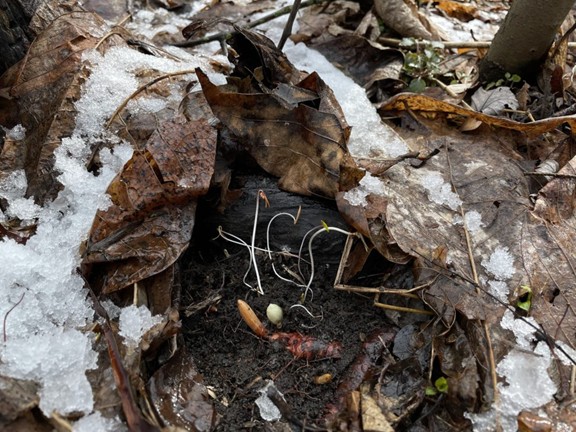
Much of winter’s activity invisible. Beneath a thin layer of leaf litter, fungi continue breaking down organic matter, insects remain dormant in soil pockets, and root systems can stay active even in cold conditions. These quiet processes keep the ecosystem functioning until spring.
As temperatures rise and fall, the ground responds. Soil expands and contracts through natural freeze–thaw cycles, though the severity of these shifts depends on how much insulation is present. Where snow, leaves, or plant debris remain, the surface experiences fewer abrupt temperature swings, creating steadier conditions for dormant insects, soil life, and overwintering seeds. In exposed areas, these fluctuations are more frequent and can place additional stress on organisms close to the surface.
In places where snow or leaf cover lingers, small insulated pockets form between the ground and the material above. These tiny air spaces act as natural micro-tunnels that stay slightly warmer than the surrounding air. They create reliable shelter for overwintering insects and other invertebrates. Even when the surface appears frozen, these protected voids buffer temperature changes and help dormant species endure the coldest periods.
Winter also sets the stage for plant life to come. Many native seeds require cold stratification, which is a period of sustained chill that breaks dormancy and prepares them for germination in spring. These conditions develop naturally in an undisturbed winter garden, where leaf litter and snow help maintain steady moisture and temperature around seeds waiting for thaw.
None of this requires intervention. It only requires protection. But homeowners can participate in this season by supporting the ecosystem in ways that do not disturb it.
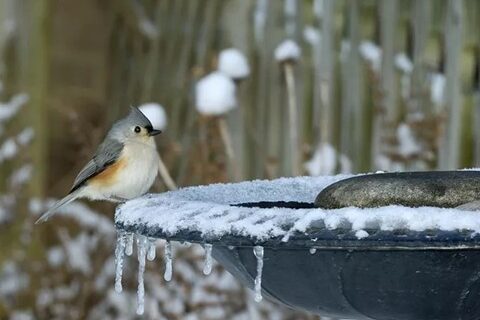
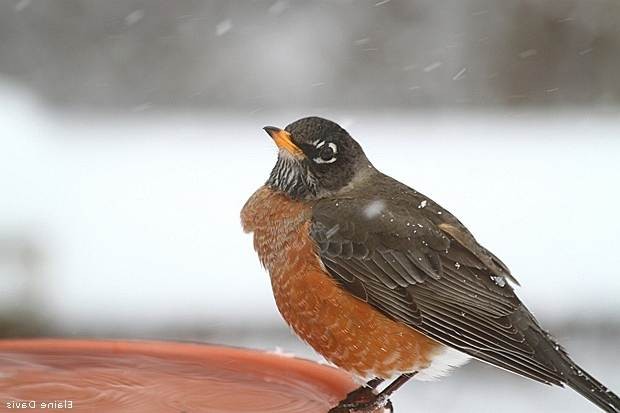
Figure 1: A White Breasted Nuthatch and an American Robin pause for a cold drink
An Oft Forgotten Winter Necessity: Water
While food can be scarce in winter, water is often harder for wildlife to access. During long cold spells, natural water sources freeze and birds struggle to stay hydrated. Providing a shallow dish refreshed with warm water, or using a heated birdbath, offers small but meaningful support for winter birds and small mammals without disturbing habitat.
Even some species of dormant insects may take advantage of brief warm periods when liquid water becomes available. Supplying water during these windows has an important impact and complements the natural processes already happening beneath the surface.
The Syllabus of the Season: Learning From Your Winter Landscape
January is the perfect time to simply look. With foliage dormant, the winter yard reveals patterns that summer growth often hides. These quiet details help you understand how your landscape actually functions during the coldest months.
Here are a few ways to observe your landscape more closely:
- Notice where frost melts first.
These warmer pockets often reflect active soil life or sheltered microhabitats. They also show where early blooming native plants might naturally thrive once spring arrives. - Look for animal tracks after light snowfall.
Tracks help you see how wildlife moves through your yard and which areas they rely on most. These pathways can guide where you might later strengthen habitat with shrubs, native grasses, or evergreen cover. - Observe which shrubs or grasses keep their structure.
Plants that hold their shape through winter provide dependable habitat year round. Areas that look bare in comparison may benefit from added structure when the growing season returns, including native grasses, shrubs, or small understory trees. - Identify wind exposed corners and sheltered zones.
Winter makes microclimates easy to see. Exposed areas often dry out faster and show where lawn or groundcover struggles, and these disturbed spots are common places for invasive species to appear early. Sheltered zones can also be vulnerable, since invasive plants that survive in mild protected pockets can persist through winter and gain an advantage when spring arrives. Understanding both types of spaces helps you see where habitat may need stronger native structure.
Altogether, these observations reveal which parts of your garden stay resilient through winter and which spots may need more support. Winter offers an opportunity to study our landscapes, without disturbance, and prepare for choices that will better support wildlife in spring.
Delaware Specific Winter Patterns
Because Delaware rarely develops deep, long lasting frosts, life below the surface stays active longer than in many neighboring states. Shifts in temperature and humidity can influence soil organisms quickly making undisturbed winter habitat especially valuable. Paying attention to where your yard forms warm pockets, cold sinks, and wind channels helps you understand how these local patterns support wildlife through the coldest part of the year.
Conclusion
Deep winter is not a dormant period. It is a quiet transition. By observing instead of intervening, you gain a clearer sense of how your yard functions and what wildlife needs most. These winter insights help shape a more resilient, habitat rich landscape when spring arrives.
Learn More
Explore our website to learn more about Delaware’s wildlife, its ecosystems, and the ways you can make a difference. Remember to subscribe to our newsletter for monthly updates, news stories, and opportunities to get involved throughout the year.
0 Comments