
Doing Less is Doing More: The Quiet Work of Winter
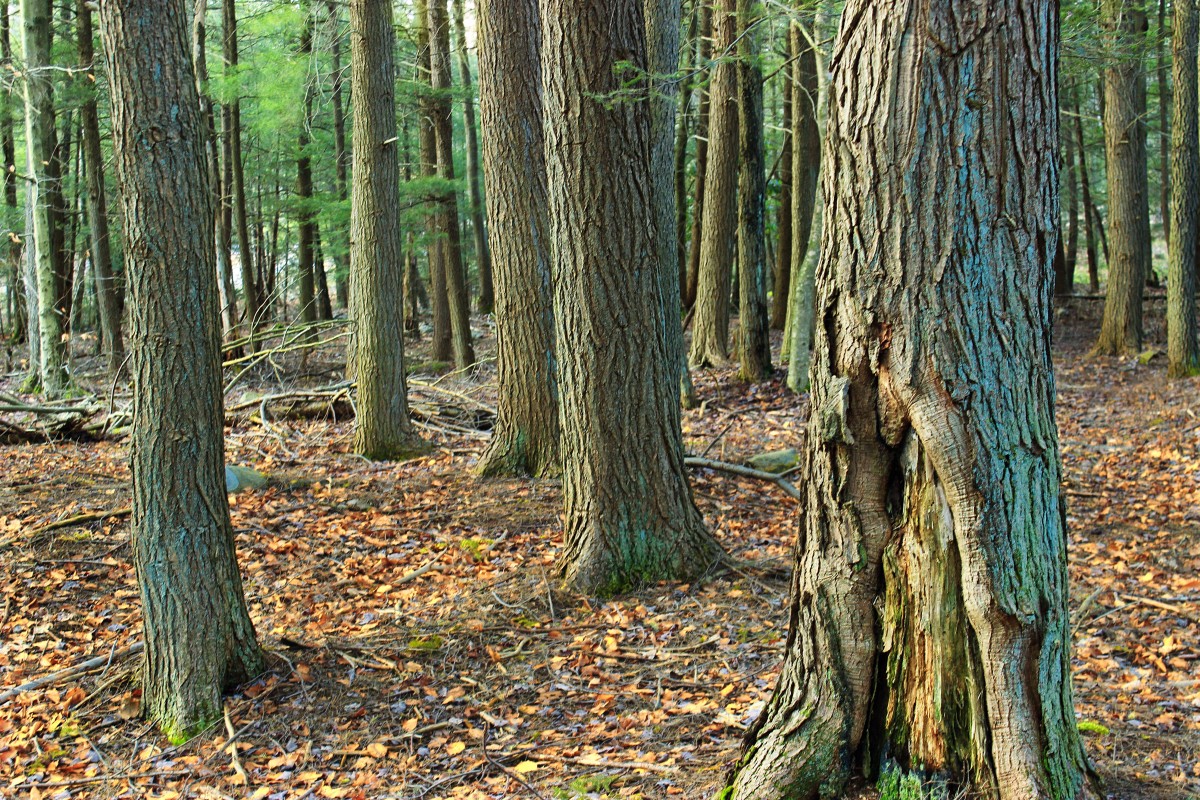
Winter arrives quietly in Delaware. Frost settles across seed heads, leaves collapse into soft layers, and the garden seems to withdraw into stillness. Yet beneath that calm surface, the quiet work of winter has already begun as wildlife enters its most fragile season. Early winter is not the moment for sweeping the yard clean. In fact, the most meaningful action homeowners can take is to simply do less.
Winter’s Subtle Shelter
The stillness of December hides a surprising amount of life. As temperatures drop, many species settle into overwintering strategies that depend on undisturbed natural cover.
- Bumblebee queens slip into shallow soil or loose leaf piles.
- Firefly larvae hunt and develop within leaf litter.
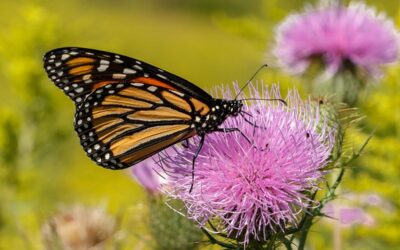
- Butterflies and moths overwinter as chrysalises nestled among curled leaves or attached to stems.
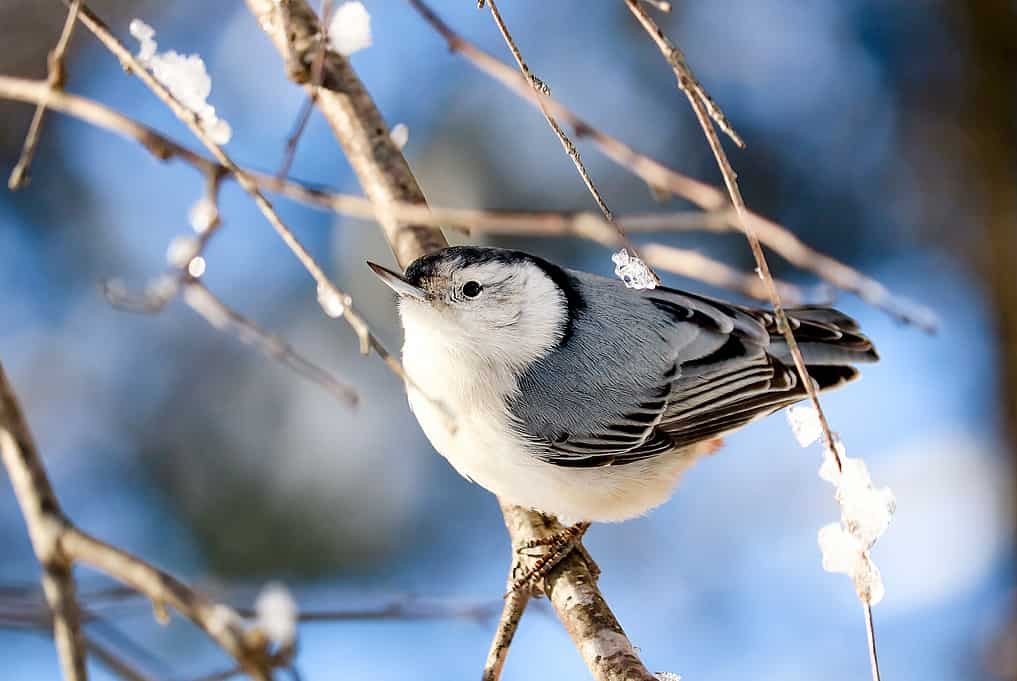
- Winter birds such as goldfinches and sparrows continue to forage from dried seed heads long after the first frost.
These species survive because the garden is allowed to remain intact. When leaves are removed or stems cut down too early, the habitat they rely on disappears.
Supporting Early-Winter Habitat
Early winter is about restraint. The following steps help protect overwintering species—many of which will remain hidden until spring.
Leave the Leaves:
Leaf litter acts as a natural insulating layer. It stabilizes soil temperature, protects developing insects, and gradually improves soil health as it breaks down. Allowing leaves to remain in place supports a wide range of wildlife with virtually no effort.
Save the Stalks:
Standing stems of goldenrod, coneflower, bee balm, and other native plants provide both shelter and food. The hollow stem interiors shelter dormant and nesting insects, and birds depend on the seed heads for sustenance well into the winter months
Skip Heavy Mulching:
Thick mulch applied too early can smother overwintering bees, beetles, and other insects that use bare or lightly covered soil.
Let a Corner Go Wild:
An intentionally untouched section of the yard, no matter how small, creates crucial structure for birds, insects, and small mammals. Brush, fallen stems, and leaf drifts offer safe cover during early freezes and winter storms.
Why Early-Winter Restraint Matters
Allowing natural materials to remain through early winter helps maintain a functioning ecosystem:
- Birds benefit from steady food sources throughout colder months.
- Soil organisms remain protected, supporting healthy nutrient cycles.
- Insects emerge in spring ready to pollinate early-blooming plants.
A yard that looks “unfinished” in December is often doing the most ecological work.
Delaware-Specific Insight
Because Delaware has a shallow frost line and a coastal-influenced climate, many species overwinter very close to the surface. This makes yard-scale habitat, the small but vital spaces in residential landscapes, especially important. Even light disturbance can disrupt soil organisms or expose insects to damaging temperature swings.
Conclusion
Winter asks little of the gardener. By leaving leaves, keeping stems standing, and resisting the urge to tidy too soon, you help Delaware’s wildlife survive the coldest months. The quiet work of winter habitat is simple, and essential, and the reward is a healthier, a more resilient landscape come spring.
Learn more:
Explore our website to Discover More About Delaware’s Wildlife, Its Ecosystems, and the ways you can Make a Difference. And don’t forget to Subscribe To Our Newsletter for monthly updates, news stories, and opportunities to get involved throughout the year.
0 Comments